


Shani Shingnapur Temple – Complete Darshan, Timings, History & Travel Guide (2026)
1. Introduction – Why Shani Shingnapur Temple is One of the Most Unique Shani Temples in India
Maharashtra’s sacred Shani Shingnapur Temple is one of the most renowned Lord Shani Temples in India. The temple is also known for its spiritual significance and unique, special traditions. Many people visit the temple for blessings and to seek the Lord’s protection and guidance. They also come to the temple to celebrate the Shani Sravana festival and to perform rituals in its honor. This famous Shani temple is also sacred and has significance for the devotees of Lord Shani across the country.
It is located in Shingnapur village in Ahmednagar and is also visited by those who come to the Shirdi Baba temple. Hence, many devotees combine the two in their spiritual tours of Maharashtra. Moreover, the village’s serene ambiance and strong devotional spirit ensure visitors have a memorable spiritual experience.
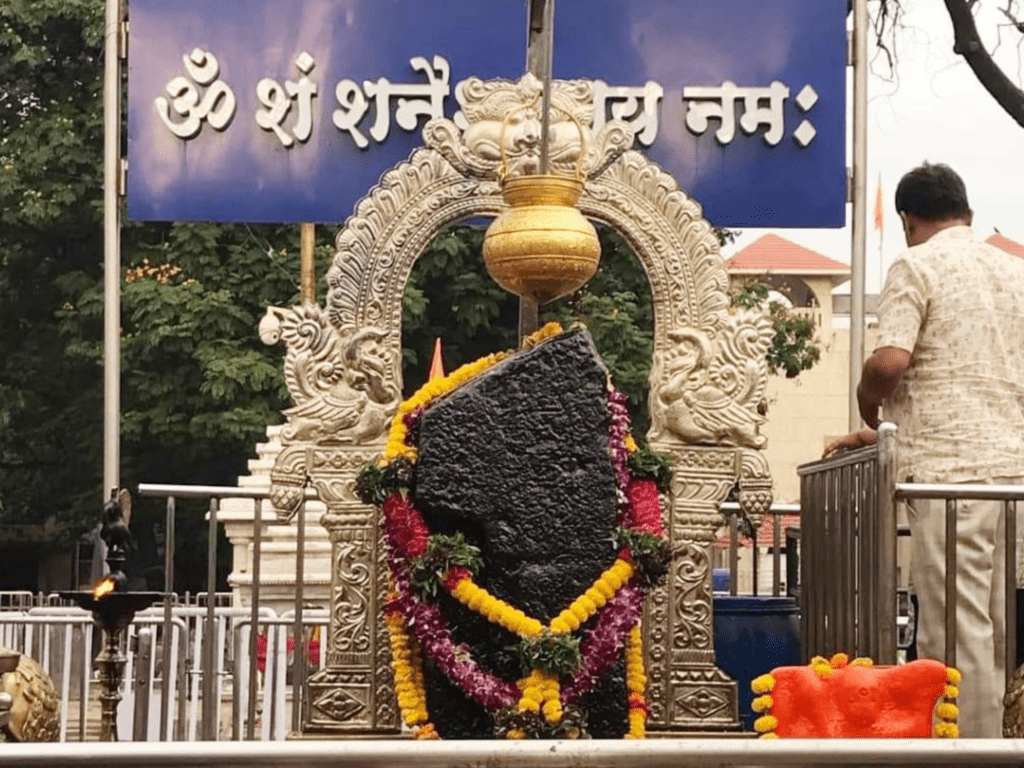
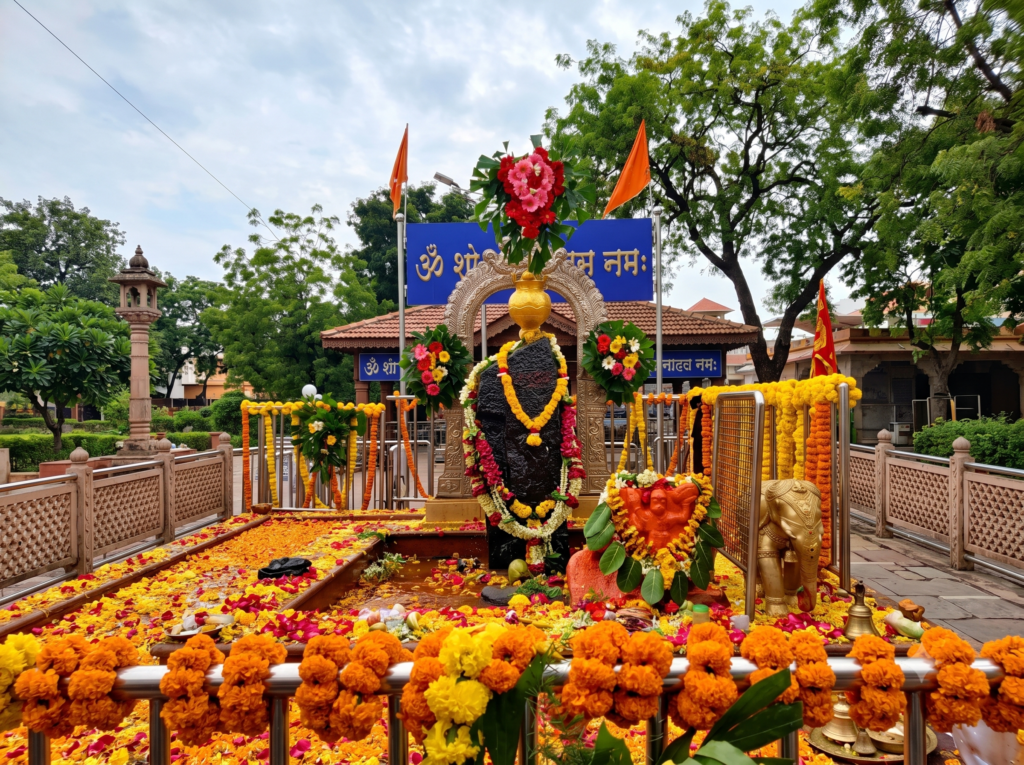
The open-air shrine is one of the most unique features of Shani Shingnapur. The black stone idol of Lord Shani is not enclosed, as in traditional temples; it is placed on an open platform under the sky. The worship in this form is unusual, and the Sani temple is different from most Hindu temples in India. Thus, it is believed that Lord Shani guards the entire village and showers his blessings on those who worship him sincerely, granting them justice and power.
Quick Facts About Shani Shingnapur Temple
| Detail | Information |
| Location | Shingnapur, Maharashtra |
| Deity | Lord Shani |
| Famous For | Open-air shrine and Shani worship |
| Nearest City | Ahmednagar |
| Nearby Pilgrimage | Shirdi Sai Baba Temple |
| Best Time to Visit | July to March |
| Temple Timings | Open throughout the day |
Since Shani Shingnapur lies close to several important spiritual destinations, many devotees include the temple in a broader Maharashtra pilgrimage. Travelers seeking a well-rounded spiritual and cultural experience often explore journeys such as Mystic Maharashtra: Jyotirlingas, Shirdi, Vineyards, Ajanta & Ellora, which combines some of the state’s most revered religious sites and heritage attractions into a single itinerary.
2. Why Shani Shingnapur Temple is Famous
Spiritual Importance of Lord Shani
Lord Shani is revered in Hinduism as the deity of karma, justice, discipline, and truth. Devotees believe that he blesses those who lead a righteous life while teaching valuable lessons through life’s trials and hardships. Therefore, pilgrims visit the sacred Shani Shingnapur Temple to seek relief from the malefic effects of Saturn (Shani), reduce the impact of Shani dosha and other astrological afflictions, and pray for the strength to overcome prolonged challenges.
In Hindu astrology, Saturn represents discipline, patience, perseverance, and karmic justice. Consequently, devotees offer prayers to Lord Shani to remove obstacles affecting their careers, finances, health, and relationships. Moreover, Saturdays hold special significance for Shani worship, attracting thousands of devotees to the temple every week to seek blessings and perform traditional rituals.
What Makes the Temple Unique
Shani Shingnapur is one of the most unique pilgrimage centers in India, thanks to its unique features.
- First, the temple practices open-air idol worship. The sacred idol of Lord Shani is not kept in a traditional sanctum but under the open sky. This rare devotional practice helps establish a spiritual ambiance that immediately attracts pilgrims.
- Second, the temple has a simple and devotional atmosphere. Unlike highly decorated temples, here is the theme of faith, prayer, and spiritual discipline alone. This is why many people have reported feeling a strong sense of peace, intensity, and grounding during the experience.
Furthermore, the temple has a long history and religious significance, making it one of the most popular Shani temples in India.
The Village Without Doors and Locks
Shani Shingnapur attracts visitors not only for its famous temple but also for the unwavering faith of its people in Lord Shani. Residents place immense trust in Shani Dev’s divine protection, and therefore many homes, shops, and even business establishments traditionally function without doors or locks. They believe that Lord Shani is their saviour and protector who safeguards the village from theft, dishonesty, and other misfortunes. This unique belief has become one of the defining cultural and spiritual identities of Shani Shingnapur.
Today, however, the village reflects a blend of tradition and modern living. Some newly constructed houses and commercial buildings now have doors and windows to meet practical needs such as privacy and protection from heat, rain, dust, and strong winds. Nevertheless, these modern additions do not reflect a decline in faith. Instead, the villagers continue to place deep trust in Lord Shani and believe that his divine protection watches over everyone who lives with honesty and righteousness.
3. Shani Shingnapur Temple History and Spiritual Significance
Mythological Story and Discovery of the Idol
Local myths say that the sacred black stone idol of Lord Shani was found several centuries ago after heavy rain in the region. They said they saw a black stone by a stream, and when touched with a sharp object, blood began to flow from it. Shortly thereafter, Lord Shani appeared in a devotee’s dream and told the villagers to set up the idol without a roof.
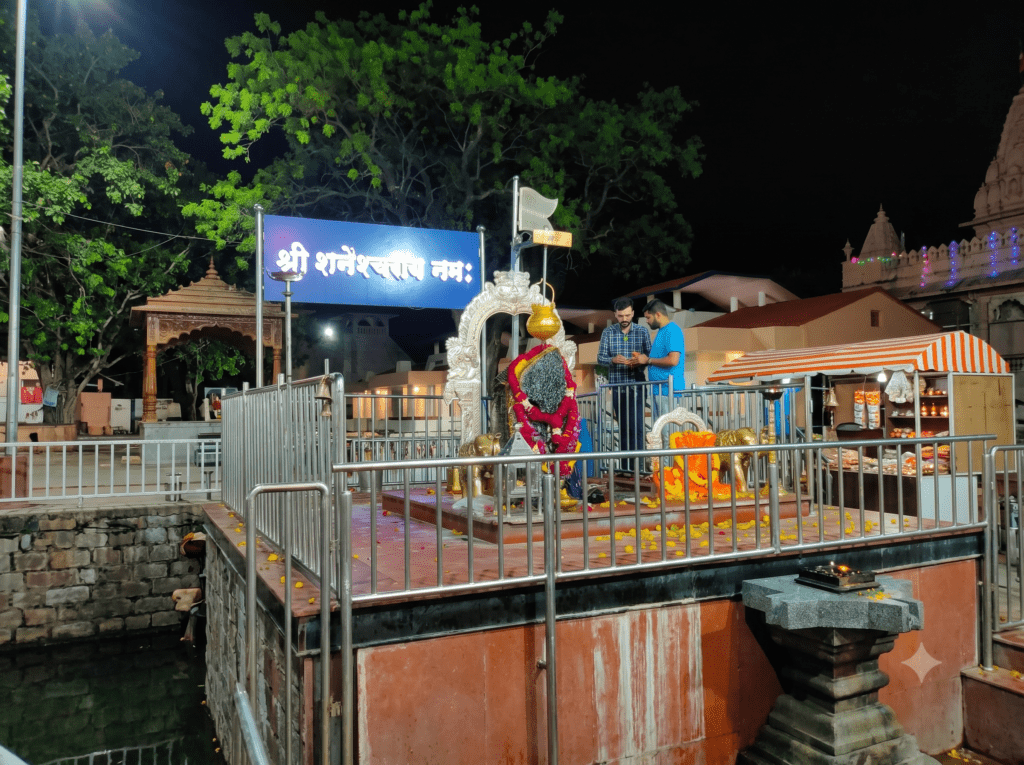
Ever since, devotees have been worshipping the idol in the same open-air form. This legend plays a significant role in fostering the temple’s spiritual identity and strengthening pilgrims’ belief in the shrine.
Religious Importance of the Temple
Devotees of Shingnapur Shani Dev consider this temple one of the most significant and auspicious places of worship, seeking relief from negative planetary influences and difficult phases of life through their prayers and devotion. Moreover, when people pray sincerely at the temple, they believe they will overcome the obstacles and find mental peace and stability.
Saturdays hold special significance in Shani worship, as they are dedicated to Lord Shani. Hence, many pilgrims come to the temple every Saturday to perform rituals and offer prayers. Further, during the Shravan month and Shani Amavasya, when devotees flock to the temple in large numbers for special worship, the temple becomes even more crowded.
4. Rituals and Devotional Practices at Shani Shingnapur Temple
Oil Offering Rituals
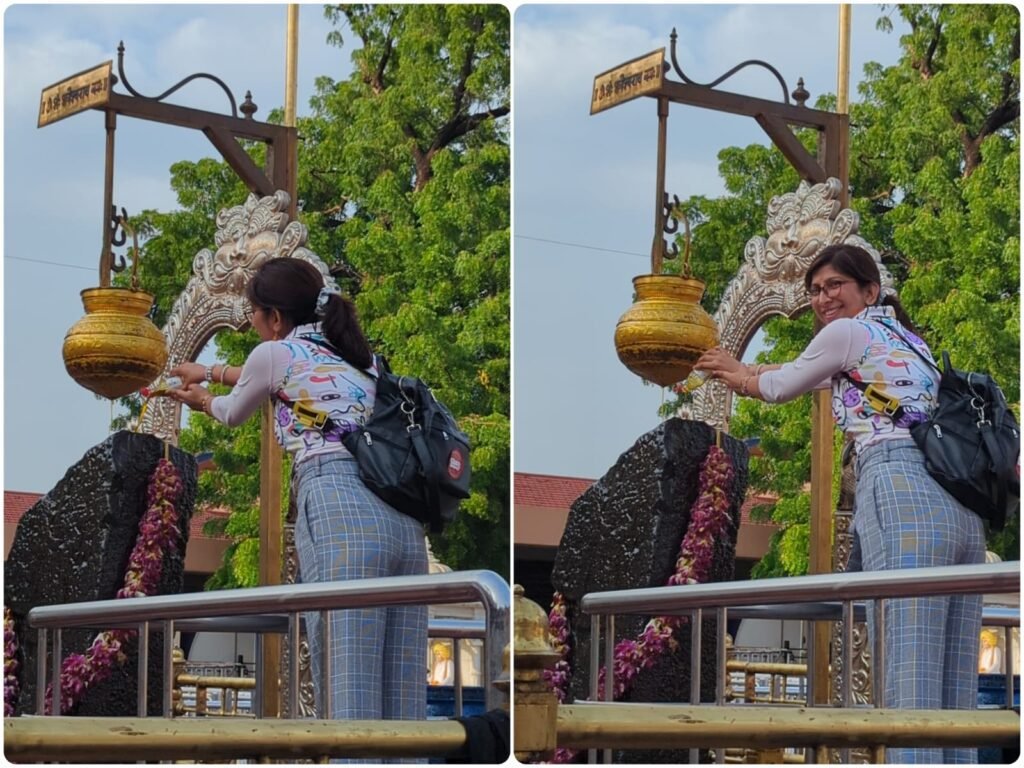
One of the most important devotional practices at Shani Shingnapur Temple is oil offering. As part of Lord Shani’s traditional worship, devotees usually pour sesame and mustard oil on the deity. According to Hindu belief, offerings neutralize Saturn’s negative influence and alleviate the devotee’s suffering.
The ritual also represents humility, devotion, and surrender to Shani Dev. So, the pilgrims frequently engage in these rituals with utmost devotion and discipline, offering prayers to Lord Shani.
Prayer and Worship Experience
The overall atmosphere of the temple complex is quite serene and powerful. Devotees sing Shani mantras all day, recite prayers, and perform traditional puja rituals. Another way is to use flowers, black sesame seeds, coconuts, and incense during worship.
The temple’s open layout and high level of devotion have led many to say that the darshan experience is very deep and uplifting.
Buying Oil for the Tailabhishekam – A Useful Tip for Visitors
Performing a Tailabhishekam (oil abhishek) is one of the most important rituals at Shani Shingnapur Temple. As visitors approach the temple entrance, many shops encourage them to purchase oil outside, often claiming that smaller bottles are unavailable inside or that only large packs are sold. However, this is not the case. Inside the temple premises, devotees can usually purchase branded sesame oil in multiple pack sizes, including approximately 200 ml, 500 ml, 1 litre, and larger containers, allowing them to choose the quantity that best suits their preference. Therefore, visitors should compare their options before making a purchase. Additionally, the temple trust permits only branded edible oil for the ritual.
How the Oil Abhishek is Performed
After purchasing the oil, most devotees pour it into the designated collection tank placed in front of the deity rather than directly onto the sacred stone idol. However, devotees who wish to perform a direct Tailabhishekam on the idol from the designated platform can do so by purchasing a special Tailabhishekam ticket. The current fee is approximately ₹500 per person. After obtaining the ticket, temple authorities allow devotees to perform the direct oil offering according to the temple’s rules and procedures.
5. Architecture and Temple Layout of Shani Shingnapur Temple
Open-Air Shrine Structure
The open-air shrine structure of the Shani Shingnapur Temple is one of its most striking features. This temple, unlike traditional Hindu temples with enclosed sanctums and elaborate interiors, is very simple in design, emphasizing devotion and spiritual belief.
Devotees of Shingnapur Shani Dev visit this temple because they consider it one of the most significant and auspicious places of worship. They seek relief from negative planetary influences and difficult phases of life through prayers and devotion offered to Lord Shani. This simplicity contributes to the temple’s uniqueness and spirituality.
Black Stone Idol of Lord Shani
This black stone idol of Lord Shani is the spiritual center of the temple. It’s said to have divine energy and great spiritual value for the devotees. The color is dark, a symbol of power and discipline in Hindu beliefs and traditions associated with Shani Dev.
Furthermore, devotees have faith that the idol guards pious devotees and brings justice based on one’s karma and deeds.
6. Shani Shingnapur Temple Timings, Darshan & Entry Details
Temple Timings
The timing of the Shani Shingnapur Temple is flexible, as it is open to devotees all day long. At the temple, pilgrims can visit in the morning and evening for darshan and worship.
But it’s generally quieter early in the morning for prayer or spiritual activities.
Best Time for Darshan
Darshan remains convenient throughout the day on most weekdays because the temple usually experiences moderate crowds. Furthermore, devotees can complete their visit comfortably on weekdays, while Saturdays, Shani Amavasya, and major festivals often attract significantly larger crowds.
For those interested in learning about special pilgrimage tours in Maharashtra, they can also find inspirational travel ideas and updates on the Transforming Travels Instagram page.
7. Darshan Waiting Time, Crowd Levels & Best Visiting Hours
Weekday vs Weekend Crowd
The darshan at the Shani Shingnapur Temple is generally peaceful on weekdays. Queues don’t get too long, and people can pray for a longer period without waiting too long.
However, on Saturdays, huge crowds are seen as thousands of devotees come to perform special worship rituals of Shani. This means that delays are considerable during the day.
| Time Period | Crowd Level |
| Weekday Morning | Moderate |
| Weekday Evening | Moderate to Busy |
| Saturday Morning | Very Heavy |
| Festival Days | Extremely Heavy |
Festival and Amavasya Crowd Conditions
A huge congregation takes place at the temple on auspicious Hindu festivals related to Lord Shani, Shani Amavasya and the Shravan month. These days, devotees may have to wait hours for darshan, as many pilgrims visit the shrine during this time.
Hence, during peak devotional periods, tourists should be mindful of their accommodation, transportation, and temple arrangements.
Best Time for Peaceful Darshan
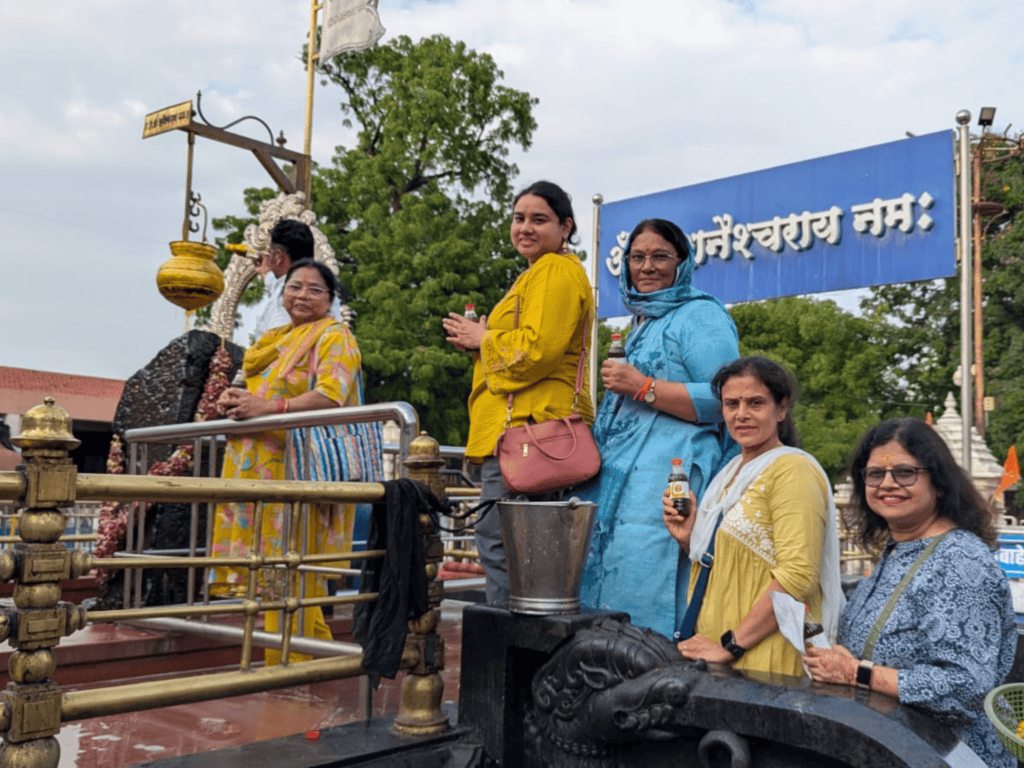
As understood, darshan is better in the early morning hours, preferably on weekdays, to provide a quieter, more peaceful experience in the spiritual realm. Also, going out of season reduces line numbers and crowding.
Practical Tip:
Those who would prefer a peaceful time should avoid Saturdays, Shani Amavasya, and major festival days, as these days see an increased number of devotees.
8. Best Time to Visit Shani Shingnapur Temple
In fact, it can enhance the entire pilgrimage of Shani Shingnapur Temple if it is visited at the right season. Devotees visit the temple year-round, but there are a few months when it is more pleasant and comfortable for darshan.
Monsoon (July to September) – The Most Scenic Season
Shani Shingnapur is an area heavily influenced by the monsoon season, turning the landscape into a verdant green landscape. The temple’s surroundings are refreshing, and the trip is not only beautiful but also soothing.
Also, the climate is not as extreme as during summer. With light rain, it’s a nice time for darshan and temple visits because the weather is cooler. This makes it an ideal time for many devotees to have a quiet spiritual experience.
Winter (October to March) – Ideal for Comfortable Darshan
Winter offers the best conditions for visiting the temple because cool and comfortable weather prevails throughout the day. Furthermore, pilgrims can explore nearby attractions comfortably and avoid excessive heat and humidity.
The nice climate, too, makes long queues for darshan easier to manage, particularly on weekends and at festivals. As a result, many pilgrims arrive in the winter season from all over Maharashtra and neighboring states.
Summer (April to June) – Less Recommended
During the summer season, this part of Maharashtra can get very hot. Temperatures in the afternoon will typically rise, making it extremely tiring to visit the temples.
Devotees continue to visit during this time, but it is strongly advised to attend early morning darshan. In addition, it is easier to carry water to drink and to avoid pilgrimage during the heat of the day.
9. How to Reach Shani Shingnapur Temple
Shani Shingnapur Temple is easily accessible, with Shingnapur having a good road network connecting it to all major cities in Maharashtra. Thus, pilgrims can choose buses, taxis, trains, or flights.
By Road
The major mode of transport to the temple is by road. The roads to Ahmednagar, Shirdi, Pune, Nashik, and Mumbai are smooth, providing easy access to the shrine.
They can be found in plenty of state transport buses and private taxis from nearby cities. Also, many pilgrims opt for cab hire services for their flexibility in travel plans and for the convenience of reaching the temple.
By Train
The closest railheads are Ahmednagar, Rahuri, and Sainagar Shirdi. Stations have good rail connectivity with Pune, Mumbai, Nashik, and other major cities in India.
Once at the railway station, people can take local buses or taxis to get to the temple to enjoy themselves.
By Air
Shirdi, Pune, and Aurangabad airports are the closest. Of these, the airport in Shirdi is the nearest to the temple.
Pilgrims can use taxis or private vehicles at the airport. Thus, air travel becomes an easy option for a long-distance traveler looking for a Shani mandir nearby on the internet while making a pilgrimage to Maharashtra.
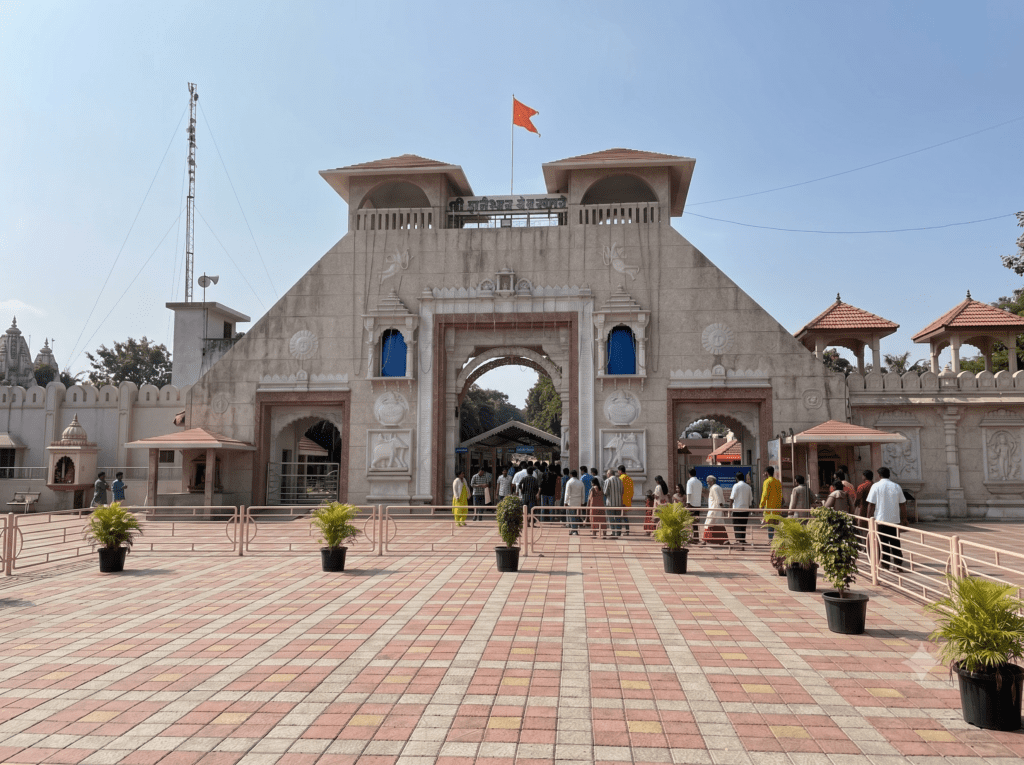
10. Distance, Routes, and Travel Options from Major Cities
From Shirdi
The Shirdi-Shani Shingnapur route is one of the most popular pilgrimage routes in Maharashtra. The road distance is about 70 km, and the trip usually takes 1.5-2 hours.
There are regular taxis and buses on this line. This means that many devotees visit the Shirdi Sai Baba Temple and the Shani Shingnapur on the same day.
Likewise, one can hire shared cabs or private taxis during the daytime on the way back from Shani Shingnapur to Shirdi.
From Ahmednagar
The nearest place to the temple is Ahmednagar, which is approximately 35km away with good road access. Local buses, taxis, and private cars run regularly between the city and the shrine.
Many pilgrims choose to spend the night in Ahmednagar because it is a short distance away.
From Pune
It is about 160 km away from Pune. The journey takes about 4 to 5 hours in normal traffic conditions.
Many travelers choose to drive from Pune because well-maintained highways offer a comfortable, convenient journey to Shani Shingnapur. Additionally, the smooth road network makes the trip suitable for both pilgrims and tourists.
From Nashik
The distance between Nashik and Shingnapur Temple is approximately 170 Kms. The road route recommended typically goes through Ahmednagar and Sinnar.
This will typically take between 4 and 5 hours to travel. Thus, the pilgrims frequently travel to Shingnapur and to other nearby places of pilgrimage, such as Shirdi and Trimbakeshwar.
From Aurangabad (Chhatrapati Sambhajinagar)
Chhatrapati Sambhajinagar (formerly Aurangabad) is located approximately 115 km from Shani Shingnapur Temple. The journey usually takes 2.5 to 3 hours by road, depending on traffic conditions.
Well-maintained highways provide convenient connectivity, and travelers can choose from private taxis, self-drive cars, or state-run buses. Moreover, many pilgrims combine their visit to Shani Shingnapur with nearby attractions such as Grishneshwar Jyotirlinga, Ajanta Caves, Ellora Caves, and Daulatabad Fort, making it a popular spiritual and heritage circuit in Maharashtra.
In addition, visitors who want to create customized spiritual tours around Maharashtra can find updated travel plans and schedules in the Transforming Travels trip calendar.
11. Travel Tips, Stay Options & Visitor Essentials
Important Darshan Tips
There are a few simple tips that can enhance the darshan experience at Shani Shingnapur Temple.
- Visit early in the morning for shorter queues and peaceful darshan
- Prefer weekdays instead of Saturdays whenever possible
- Carry water bottles during warmer months for comfort during waiting periods
Besides, there is no need for any unnecessary inconvenience on the crowded days with comfortable clothes and planning.
Practical Visitor Information
Private car and taxi parking is offered around the temple. Also, there are shoe counters to safely store pilgrims’ shoes before entering the shrine district.
It is also important for devotees to strictly observe the Temples’ rules, particularly during festive seasons. In addition, during major religious holidays, tourists should be cautious in crowded areas.
Accommodation Options
Budget hotels, dharamshalas, and lodges are available nearby to the temple area. But several people opt to stay in Shirdi because of the growing number of lodging options and tourist amenities.
The temple region also offers comfortable family and group accommodation in Ahmednagar.
If you are interested in customized pilgrimages, Transforming Travels can arrange tailor-made pilgrimages to Shirdi, Shani Shingnapur, Trimbakeshwar, and other nearby sacred places, tailored to your travel preferences.
Travel Comparison Table – Best Ways to Reach Shani Shingnapur Temple
| Mode of Transport | Cost | Time | Comfort | Best For |
| Taxi | High | Fast | High | Families and groups |
| Bus | Low | Moderate | Medium | Budget travelers |
| Train + Taxi | Medium | Moderate | High | Long-distance travelers |
12. Nearby Attractions Along with Shani Shingnapur Temple
Shirdi Sai Baba Temple
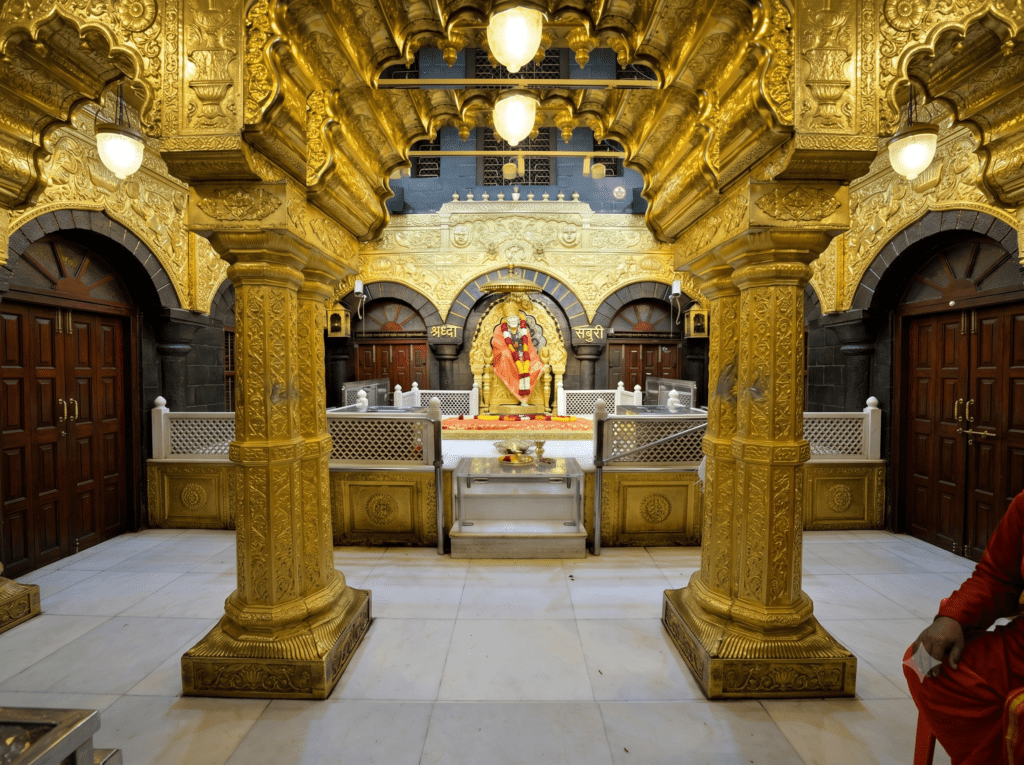
The Shirdi Sai Baba Temple is the most popular nearby attraction for devotees visiting Shani Shingnapur Temple. Located approximately 70 kilometers away, Shirdi attracts millions of pilgrims every year who come to seek the blessings of Sai Baba. Because both destinations hold immense spiritual significance, many devotees combine them into a single pilgrimage itinerary. Furthermore, excellent road connectivity and regular taxi and bus services make travel between the two shrines convenient and comfortable. As a result, pilgrims frequently visit Shirdi in the morning and proceed to Shani Shingnapur on the same day, creating a spiritually enriching journey that combines the blessings of both Sai Baba and Lord Shani.
Other Nearby Religious Attractions
Several additional spiritual destinations can also be explored around the region, including:
- Trimbakeshwar Temple
- Grishneshwar Temple
- Ellora Caves
- Bhadra Maruti Temple
Consequently, Maharashtra offers a deeply enriching pilgrimage experience for devotees interested in temple tourism and spiritual heritage.
Travel enthusiasts can also explore destination stories, travel inspiration, and spiritual journey updates through the Transforming Travels Facebook page.
13. FAQs – Shani Shingnapur Temple
Q1. What is special about Shani Shingnapur Temple?
The temple is famous for its open-air shrine dedicated to Lord Shani and the unique village tradition of homes functioning without locks or doors.
Q2. What are the timings of Shani Shingnapur Temple?
The temple remains open throughout the day, though early morning visits usually offer the most peaceful darshan.
Q3. How to reach Shani Shingnapur Temple?
Pilgrims can reach the temple through road, rail, or air connectivity from cities such as Pune, Mumbai, Nashik, Ahmednagar, and Shirdi.
Q4. What is the distance between Shani Shingnapur and Shirdi?
The distance is approximately 70 kilometers, and the journey by road generally takes 1.5 to 2 hours.
Q5. Is there any Shani temple near me similar to Shingnapur?
Several Shani temples exist across India, but the Shani Shingnapur Temple remains unique for its open-air shrine and village traditions.
Q6. What is the history of Shani Shingnapur Temple?
According to local legends, villagers discovered the sacred black stone idol centuries ago after heavy rainfall, and Lord Shani instructed devotees to keep the idol under the open sky.
Q7. Can visitors stay near Shingnapur Temple?
Yes, visitors can find hotels and lodges near the temple. Additionally, many pilgrims prefer staying in Shirdi or Ahmednagar.
Q8. What is the best time to visit Shani Shingnapur Temple?
The winter and monsoon seasons are generally considered the best because the weather remains pleasant and comfortable for darshan.
Q9. How much time does Darshan usually take at Shani Shingnapur Temple?
On normal weekdays, devotees can usually complete their darshan within 10 to 30 minutes because the temple generally experiences only moderate crowds. However, waiting times increase significantly on Saturdays, Shani Amavasya, and major festival days due to the large number of devotees.
14. Conclusion – Plan Your Visit to Shani Shingnapur Temple
The Shani Shingnapur Temple continues to attract devotees because of its unique traditions, open-air shrine, and deep-rooted worship of Lord Shani. Moreover, devotees and travelers admire its peaceful atmosphere and rich cultural heritage, which make it one of the most distinctive pilgrimage destinations in India.
Furthermore, excellent road and transport networks connect the temple with Shirdi, Pune, Nashik, and Ahmednagar, allowing pilgrims and tourists to reach it conveniently. The surrounding region also features several important religious sites, encouraging many devotees to combine multiple sacred destinations into a longer Maharashtra pilgrimage circuit.
For the most peaceful darshan experience, devotees should visit the temple early in the morning on weekdays. Additionally, careful planning helps visitors avoid long queues and heavy crowds, especially during festivals and other major religious occasions.
For pilgrims interested in exploring another important religious site in Maharashtra, Grishneshwar Temple: Complete Travel Guide, History, Timings, and How to Reach provides detailed information about its history, timings, darshan, and travel options.

