


1. Introduction – Exploring the Real Foods in Almora Beyond Bal Mithai
Naturally, no conversation about Almora feels complete without mentioning its most famous sweet, Bal Mithai. Locals prepare it by roasting khoya and coating it with tiny sugar balls.
The culturally rich and picturesque town of Almora, nestled in the Himalayas of the Kumaon region, is much more than a picturesque location. It is an animated repository of traditions, and its cuisine narrates a history formed by geography and climate, by centuries of local wisdom.
The core of this culinary identity is Kumaoni cuisine, a style rooted in sustainability, simplicity, and nutrition. Kumaoni dishes do not focus on heavy gravies like mainstream North Indian food but on earthy flavors, slow-cooking techniques, and local ingredients.
But limiting Almora’s food culture to just one “Mithai” would be a mistake.
This manual gets into more detail:
- Kumaoni special meals that characterize day-to-day meals
- Home-style local cuisine that is not common in restaurants
- Bal Mithai is not the only sweet in Uttarakhand

This article belongs to the Transforming Travel documentation series, which explores travel in regions in ways that are not apparent. TransformiTravel can also design bespoke journeys, organize group travel to Almora and the Kumaon region, and offer many more tours and destinations.
2. What Makes Almora Food Unique – Ingredients, Climate & Kumaoni Cooking Style
The food in Almora is not a coincidence but a direct reaction to the mountain ecosystem.
A. Core Ingredients That Define Kumaoni Food and Bal Mithai
In contrast to plain food, which relies heavily on wheat, rice, and dairy, Kumaoni food is based on ingredients that can withstand the climate:
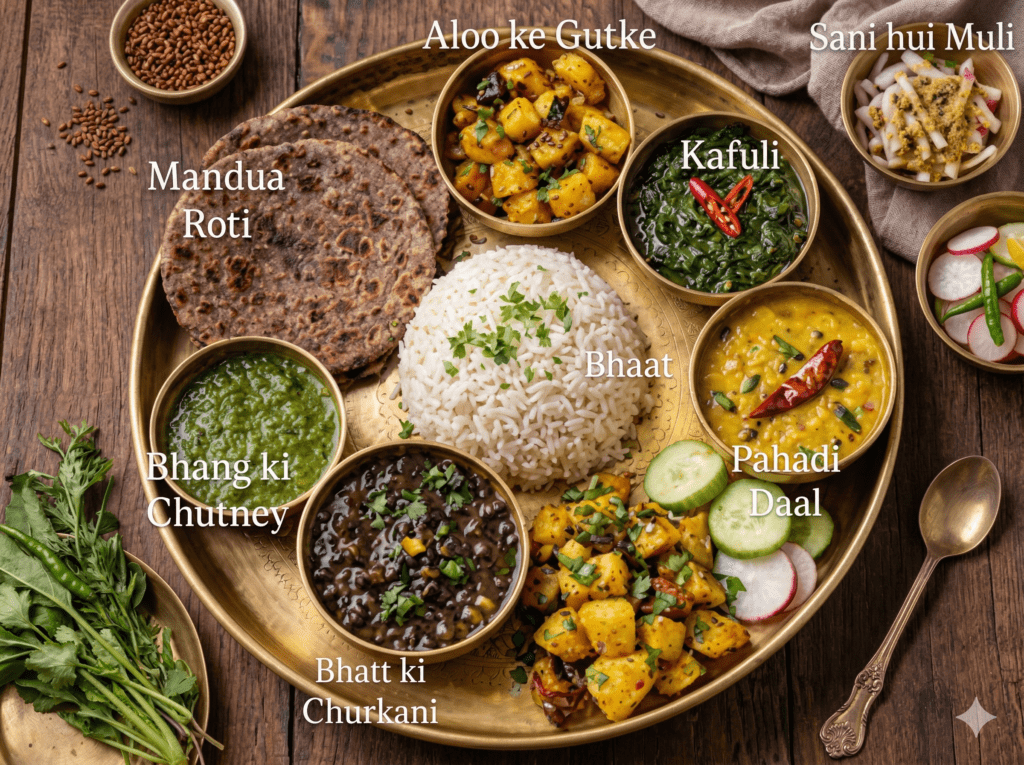
- Mandua (Finger Millet)
Farmers grow mandua at high altitudes and use it as a staple grain rich in calcium and fiber. As a result, locals prepare everyday meals using mandua rotis. Moreover, this grain develops an earthy flavor because it grows in rugged mountain terrain.
- Bhatt (Black Soybeans)
Locals use bhatt, a unique Himalayan legume, in dishes like churkani because it provides a high protein content. Additionally, cooks roast bhatt using traditional methods, imparting it with a distinct smoky flavor.
- Jakhya (Wild Tempering Seeds)
Interestingly, cooks use jakhya instead of cumin or mustard seeds in many Kumaoni recipes. When heated in oil, it releases a nutty aroma that defines Kumaoni tempering.
B. Why Did Kumaoni Food and Bal Mithai Evolved Differently?
The Almora food culture evolved within the limitations:
- Inaccessibility to plain produce
- Cold climates require calorie-dense foods
- Crop reliance on seasonal crops
As a result:
- Food is practical (warming, nutritious, easy to digest)
- There is minimal waste of ingredients
- Cooking techniques based on slow roasting and spices
In contrast, Kumaoni cuisine promotes balance and sustainability, while Punjabi and Mughlai cuisines emphasize richness.
C. Role of Mountain Climate in Food Habits along with the Relishing of Bal Mithai
The weather directly affects the food consumed by people:
- Winters → Hearty, high-protein and warming foods such as chana soa and gahat dal
- Summers → Lighter, cooling, and easily digestible foods such as jholi and raita
- Monsoon → Simple, freshly prepared, and digestive-friendly foods suited to humid conditions
Therefore, locals developed this seasonal food system as a practical survival strategy over generations.
D. Simplicity of Bal Mithai as a Culinary Philosophy
One of the most striking aspects of Almora’s food is its minimalism:
- Fewer spices
- No excessive oil
- Highlighting the natural flavors of each ingredient
Finally, Kumaoni people keep recipes simple and preserve each dish’s natural and unprocessed flavor. As a result, such authenticity remains rare in today’s commercialized food industry.
3. Quick Overview of the Top Foods in Almora
In case you are in a hurry, here is a brief overview of what makes the food culture of Almora:
- Bal Mithai – The most popular of Almora sweets
- Bhatt Ki Churkani – Curry of black soybeans, rich in protein
- Aloo Ke Gutke – spiced, jakhiya-tempered potatoes
- Kafuli – Green spinach and fenugreek-based gravy
- Chainsoo – Smoky curry made from roasted lentils
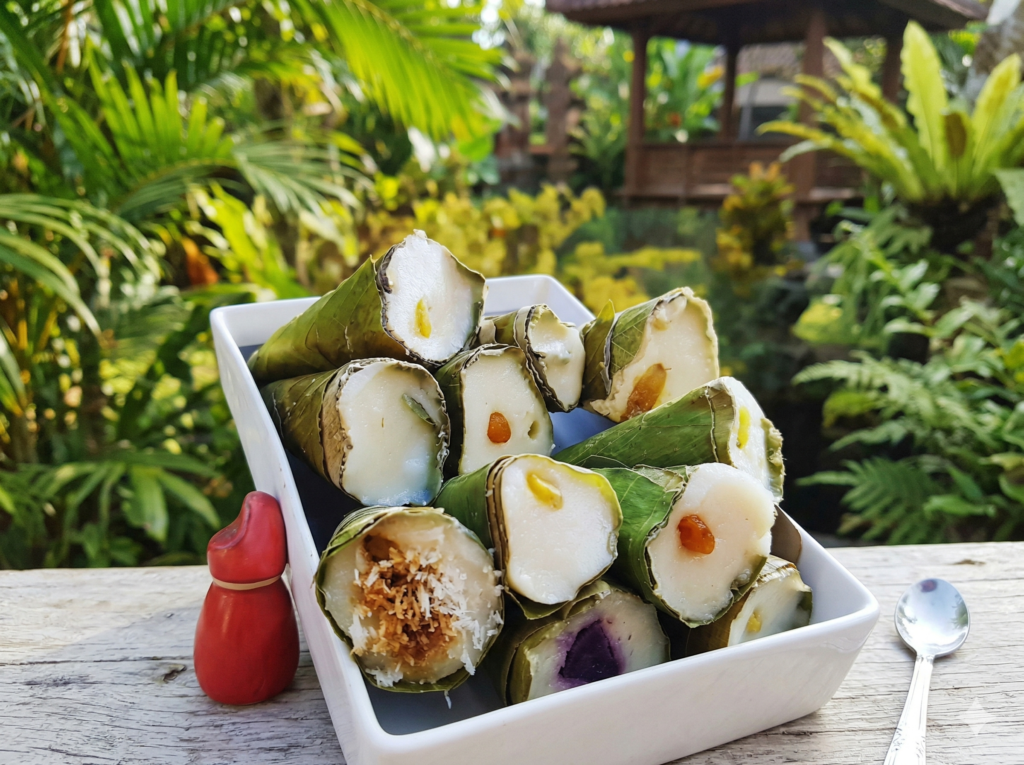
- Singodi Mithai – Coconut sweet wrapped in maalu leaves
- Jholi – Tangy curry made from yogurt
- Baadi – Traditional staple made of mandua
- Bhaang Ki Chutney – Nutty chutney made from hemp seeds
Not only does this list enhance the readability, but it also shows the real diversity of Kumaoni food beyond sweets.
4. Comparison Table – Traditional Kumaoni Food vs Almora Famous Sweets
| Dish | Type | Flavor Profile | Season/Occasion | Popularity |
| Bhatt Ki Churkani | Main Dish | Smoky, earthy | Winter | Moderate |
| Aloo Ke Gutke | Snack | Spicy, bold | Anytime | High |
| Bal Mithai | Sweet | Rich, caramelized | Festivals | Very High |
| Singodi Mithai | Sweet | Mild, coconut-rich | Gifts | Medium |
| Dubuk | Main Dish | Thick, rustic | Winter | Low |
| Gahat Dal | Main Dish | Nutty, strong | Winter | Moderate |
| Thhatwani | Soup | Light, comforting | Anytime | Low |
| Mandua Ki Roti | Staple | Earthy | Daily | Moderate |
| Sisunak Saag | Main Dish | Herbal | Seasonal | Low |
| Kumaoni Raita | Side | Tangy | Anytime | High |
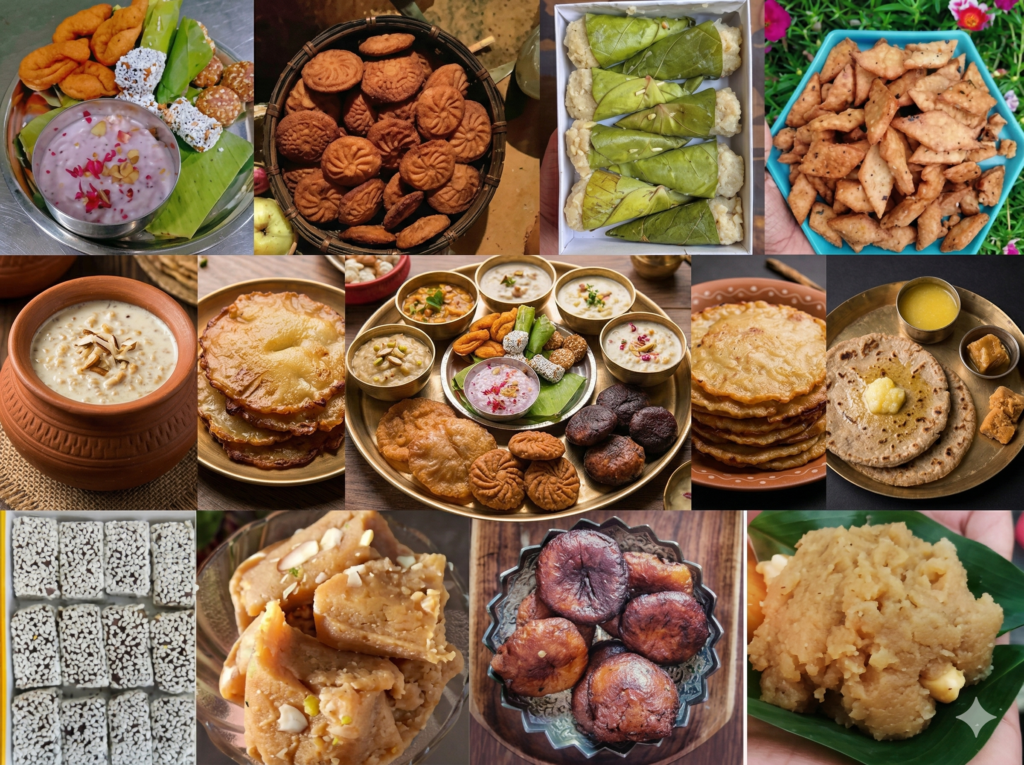
| Arsa | Sweet | Traditional | Festivals | Moderate |
| Jhangora Kheer | Sweet | Light | Festivals | Moderate |
| Patiyur | Snack | Savory | Occasional | Low |
This comparison reveals that Almora’s food culture is not only about indulgence but also about a balance between food and celebration.
5. Traditional Kumaoni Dishes Apart From Bal Mithai That Define Everyday Food
Almora is known for sweets, but the daily meals are what make Almora what it is.
A. Bhatt Ki Churkani – The Soul of Kumaoni Protein
This dish is made from black soy beans (bhatt), known for their rich nutritional value and deep, earthy flavor, cooked slowly in an iron kadai. What makes Churkani special is its distinctive preparation method:
- The Bhatt is first lightly roasted, then often ground into a coarse paste
- This roasting enhances its smoky, nutty aroma
- It is traditionally cooked in an iron kadai, adding depth to the flavor and trace mineral benefits
Unlike regular dals, churkani has a thicker, more robust consistency and a deep, roasted flavor profile, making it especially comforting during cold mountain winters.
B. Aloo Ke Gutke – Simplicity Done Right
At first glance, Aloo Ke Gutke may look like a simple potato dish. However, its true charm lies in how it transforms basic ingredients into bold flavors:
- To begin with, the dish uses jakhya for tempering, which creates a crackling texture and releases a distinct earthy aroma
- Instead of refined oil, it uses mustard oil, adding a sharp and authentic taste
- Moreover, it relies on fewer spices, allowing the natural flavor of the potatoes to shine
As a result, each bite feels rustic, balanced, and satisfying. Whether served with puris or enjoyed as a snack, this dish truly represents Kumaoni cuisine.
C. Kafuli – Nutrition Hidden in Simplicity
Kafuli is a thick green curry that showcases the goodness of simple, wholesome ingredients:
- To begin with, it uses spinach and fenugreek leaves, which provide rich nutrients and a fresh, earthy flavor
- Moreover, Kumaoni people prepare it slowly, helping preserve its natural nutrients and enhancing its taste
- Instead of cream, they thicken it using rice paste or atta, which keeps the dish light yet rich in texture
As a result, Kafuli stands out as one of the healthiest traditional dishes. Therefore, it beautifully represents the herb-based diet of the Himalayan region.
D. Chainsoo – A Dish That Requires Skill
Chainsoo is not just cooked; cooks carefully prepare it using a precise technique:
- To begin with, they roast urad (black gram) until it turns almost burnt, which gives the dish its deep, smoky flavor
- Then, they grind it into a coarse paste, creating a rich and textured base
- After that, they slowly braise it into a thick curry, allowing the flavors to develop fully
Most importantly, Kumaoni cooks carefully control the roasting stage, because even a slight mistake can ruin the dish. As a result, only experienced locals usually master the art of making Chainsoo.
E. Dubuk – The Forgotten Comfort Food
Dubuk is one of the least discussed dishes, even in Uttarakhand. It is:
- Prepared by grinding pulses such as bhatt or gahat into a fine paste
- Then cooked slowly into a thick, smooth gravy
- Stirred continuously to prevent lumps and maintain a uniform texture
As a result, it turns into a soft, comforting dish that is easy to digest and deeply satisfying. This demonstrates that Kumaoni food uses texture as a characteristic feature rather than taste.
F. Gahat Dal — The Winter Healer
Gahat (horse gram) is known for its strong nutritional value and warming nature. It offers:
- The warming effect on the body that helps one survive in cold mountain weather
- High protein and iron content, supporting strength and stamina
Traditionally, people value it for:
- Aiding digestion and improving gut health
- Providing warmth during harsh, freezing conditions
As a result, this dish feels both hearty and nourishing. Its slight bitterness may take time to appreciate, yet it remains a flavor deeply loved by the locals.
6. A Note for Travelers
Most of these meals are not readily available at typical restaurants. They are part of home kitchens and local eateries.
Should you wish to delve into the real food culture of Almora:
- Go past tourist cafes
- Experience home stays or dhabas
- Opt for curated experiences
With Transforming Travels, travelers can
- Access authentic food experiences with locals
- Participate in culture and culinary group tours
- Plan designed tailored itineraries based on your requirements
Furthermore, you can follow the Transforming Travel trip calendar and Transforming Travel Instagram page for updates on future trips and seasonal experiences. We also frequently post curated journeys across Uttarakhand.
7. Almora Sweets Comparison – Bal Mithai & Other Kumaoni Sweets
Bal Mithai is the starting point of Almora sweets, not only as a dessert but also as a cultural identity of Almora.
A. Bal Mithai – More Than Just a Sweet
Bal Mithai is cooked slowly by caramelizing khoya to achieve a deep brown color and grainy texture. Afterward, they slice it into cubes and cover it with small sugar balls. Not the flavor itself, but the procedure is what is special about it:
- Slowly roasts under regulated heat
- It uses high-quality khoya as the base ingredient
- Old recipes do not use shortcuts, such as artificial coloring
Traditionally, families prepared it during festivals and special occasions as a symbol of prosperity. Gradually, travelers embraced it as a takeaway sweet, which made Almora famous across India.
B. Singodi Mithai – The Subtle Counterpart
Bal Mithai is bold and rich, whereas Singodi Mithai is delicate and aromatic.
- Prepared using khoya and coconuts
- Surrounded by maalu leaves, which have a natural smell
- Less sweet than Bal Mithai
Singodi is a representative of another school – less lavishness, more culture. It is usually a gift, not something one eats every day, so it is important in cultural and social interactions.
C. Jhangora Kheer – The Light Himalayan Dessert
Jhangora Kheer is a traditional sweet made from barnyard millet, known for its light texture and nourishing quality. It is:
- Prepared using jhangora (barnyard millet), which gives it a soft and delicate consistency
- Cooked slowly in milk, allowing the grains to absorb flavor and become creamy
- Naturally mild in sweetness, keeping the dish light and easy to enjoy
As a result, it reflects the Himalayan approach to desserts – simple, nutritious, and not overly rich.
D. Arsa – A Festive Fried Sweet
Arsa is a traditional fried sweet made from simple, natural ingredients. It is:
- Made by combining rice flour with jaggery, forming a dense and slightly sticky dough
- Shaped like pancakes, and then deep-fried, which gives it a crisp outer texture
- Commonly prepared during weddings and festive occasions, marking celebration and tradition
As a result, its crunchy bite reflects older cooking methods that rely on natural sweeteners and age-old techniques.
An Evolutionary Timeline
Historically, Kumaoni sweets were festival-focused and made at home with locally sourced ingredients such as jaggery, millet, and dairy products. As tourism in Uttarakhand increased, particularly in places such as Almora, these sweets also became a commercial item, like souvenirs. Today, Bal Mithai and Singodi are not just desserts but symbols of place, something travelers carry with them as lasting food memories.
8. Lesser-Known Kumaoni Foods Tourists Often Miss Apart From Bal Mithai
There is a layer of Kumaoni cuisine, which is slowly disappearing, not due to any lack of flavor, but because it remains unseen.
A. Jholi – The Tangy Everyday Curry
Jholi is a yogurt-based curry thickened with gram flour, light and digestible, and can be eaten every day. Its light sourness moderates and balances heavy food, particularly in summer seasons.
B. Baadi – The Forgotten Staple
Baadi is very nutritious because it is made from mandua (finger millet) and is often overlooked due to its thick texture. Farmers traditionally consume it, and it represents the practical aspect of Kumaoni cuisine.
C. Bhaang Ki Chutney – A Flavor Explosion
This chutney is made out of roasted hemp seeds, and it is
- Nutty
- Slightly tangy
- Rich in natural oils
Although bold, it is fading away due to a misunderstanding of its primary component.
D. Sisunak Saag – Food from the Wild
Kumaoni people use stinging nettle leaves to prepare this dish, a form of survival cooking. Afterward, they cook the leaves well to remove the sting and create a healthy meal.
E. Thhatwani – The Comfort Soup
A spicy, thin lentil soup, thhatwani, is a common dish eaten when you are sick or when it’s cold. It is an expression of the medicinal nature of Kumaoni food.
F. Patiyur – The Rare Snack
Cooks make patyur with urad dal batter and shallow-fry it on leaves. It is time-consuming, skillful, and traditional in its tool use, making it a vanishing delicacy.
Why These Dishes Are Disappearing
- Shift towards fast food
- Absence of records of traditional recipes
- Less consumption of local products
- Changing lifestyle and cooking habits
Such dishes are not merely recipes but systems of cultural knowledge that are slowly disappearing.
9. Food Availability Disclaimer Apart From Bal Mithai
Most restaurants and hotels in Almora do not serve traditional Kumaoni dishes. Instead, many places offer standard North Indian menus to cater to tourists.
To have genuine Kumaoni food, one has to do the following:
- Visit local dhabas
- Explore some of the homestays, which continue to serve local cuisine
- Or take a guided food tour
As a result, the experience feels more authentic since you must explore beyond menus to find real food in Almora.
10. Where I Suggest Trying Authentic Foods in Almora
A. Lala Bazaar – The Culinary Heart
The food culture of Almora comes alive at Lala Bazaar.
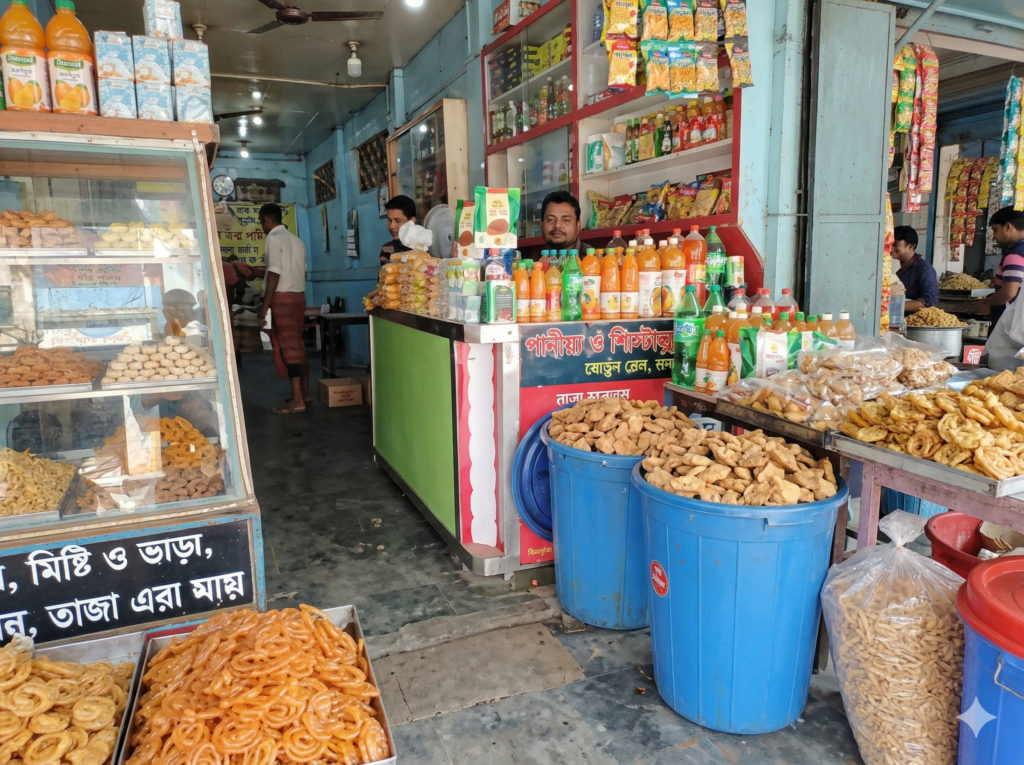
- In fact, small streets are crowded with old-fashioned sweet shops, reflecting the town’s traditional charm
- Singodi mithai and bal mithai are popular here; moreover, they offer some of the most authentic local sweets
- These experiences give a glimpse of the town’s ancient trading culture, thus connecting the past with the present
- Local dhabas serve real, simple food, while offering an authentic taste of the region
B. Local Dhabas – Where Real Food Exists
Small roadside eateries serve the following:
- Aloo Ke Gutke
- Simple dal-based dishes
- Seasonal Kumaoni meals
These joints might not have a refined ambiance, but they will serve original tastes.
C. Traditional Sweet Shops
Find outlets that:
- Continue using old-fashioned preparation methods
- Do not use shortcuts or mass production
- Have an established reputation locally
D. Selected Homestays
Not every homestay offers local food, but the most suitable ones offer the following:
- Home-cooked Kumaoni meals
- Local delicacies
- Food as a cultural experience
To have a more organized adventure, Transforming Travels organizes the following:
- Food-focused itineraries
- Local culinary experiences
- Small-group tours and tailor-made trips.
Our site contains more elaborate itineraries; you can also see Transforming Travel Instagram page, and follow our tour updates. Also, check out the Transforming Travel trip calendar for guided tours.
11. What to Eat in Almora in One Day – A Practical Food Itinerary
A day of eating in Almora is not about quantity; rather, it is about enjoying simple, seasonal, and deeply local flavors.
A. Breakfast – A Warm Local Start
Start your morning with Aloo Ke Gutke paired with Kumaoni Raita. This simple yet flavorful combination offers a perfect balance of spice and freshness, giving you an authentic taste of the hills right at the beginning of your day.
B. Lunch – A Wholesome Traditional Meal
For lunch, enjoy Bhatt Ki Churkani served with Mandua Ki Roti. This meal is not only rich in flavor but also packed with nutrients, reflecting the traditional Kumaoni way of eating that focuses on balance and nourishment.
C. Evening – Light and Comforting Flavors
As the day slows down, opt for lighter dishes like Jholi or Kafuli. These comforting preparations are easy on the stomach and help you unwind after a fulfilling lunch.
D. Dinner – Warm and Hearty Add-On
On colder evenings, you can include Dubuk or Gahat Dal in your dinner. These dishes are warm, rich, and deeply satisfying, making them perfect for the mountain climate.
E. Dessert – A Sweet Local Finish
End your day with Almora’s iconic sweets like Bal Mithai and Singodi. These traditional desserts not only satisfy your sweet cravings but also give you a glimpse into the region’s culinary heritage.
To ensure an optimal experience, the meals must align with seasonal availability.
12. Conclusion – Why Almora Food Is More Than Just Bal Mithai
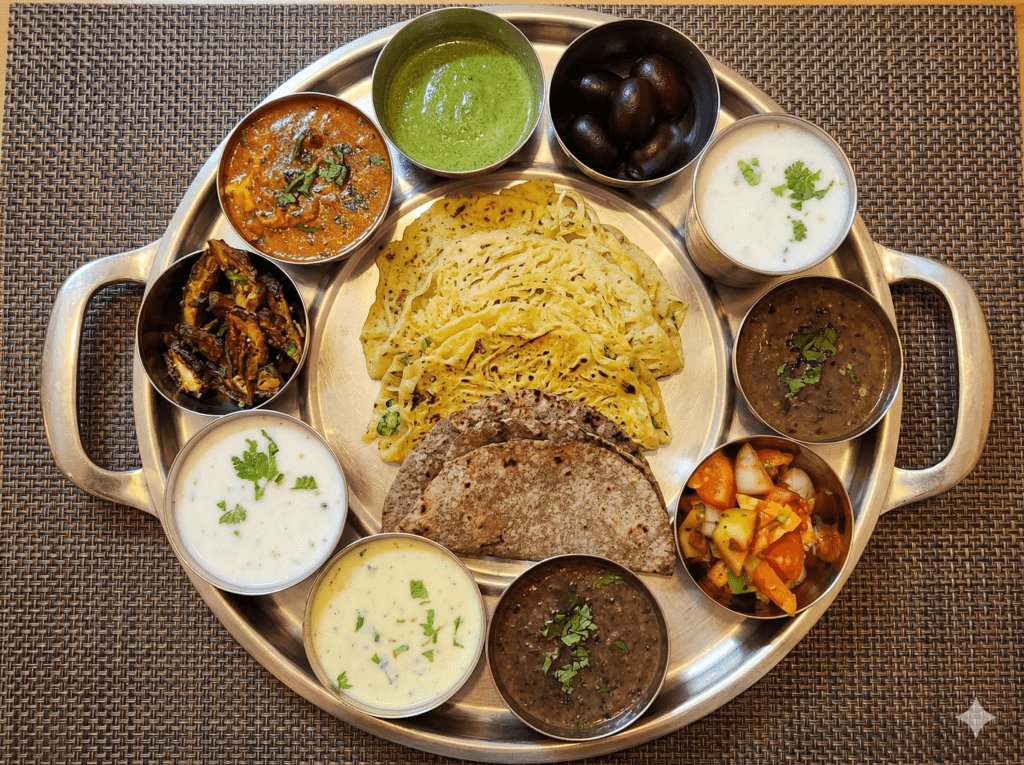
Almora is associated with a variety of foods, though its diversity is best known for Bal Mithai.
Kumaoni food is made of smoky lentil curries, wild leafy greens, and staple foods made of millet. It is known for:
- Sustainability
- Seasonal intelligence
- Deep-rooted cultural traditions
It is not packaged to appeal to the masses but to balance, nourish, and survive in the mountains.
Travelling to Almora is not about trying tourist food; rather, it is about discovering a cuisine that has evolved alongside nature.
If you want to explore more unique food experiences around the world, you can also read our detailed guide, Why Uzbekistan Food Will Exceed All Expectations, where you will discover how rich flavours, cultural traditions, and history come together to create a truly unforgettable culinary journey.

