
Bundi – the land of step-wells & palaces
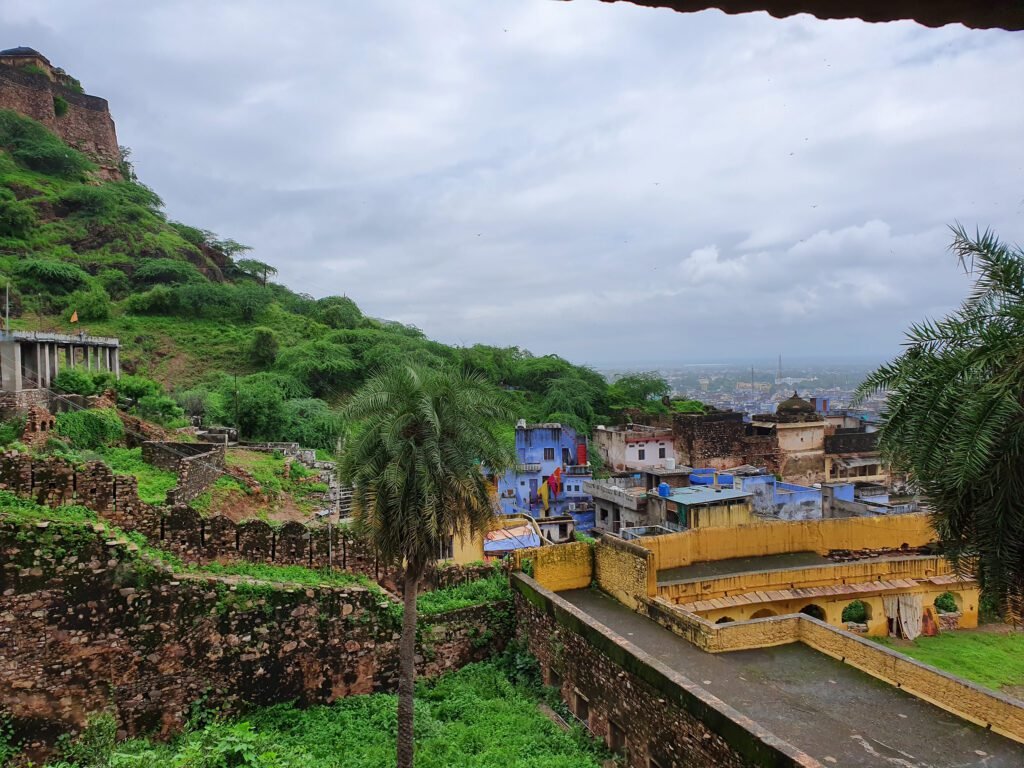
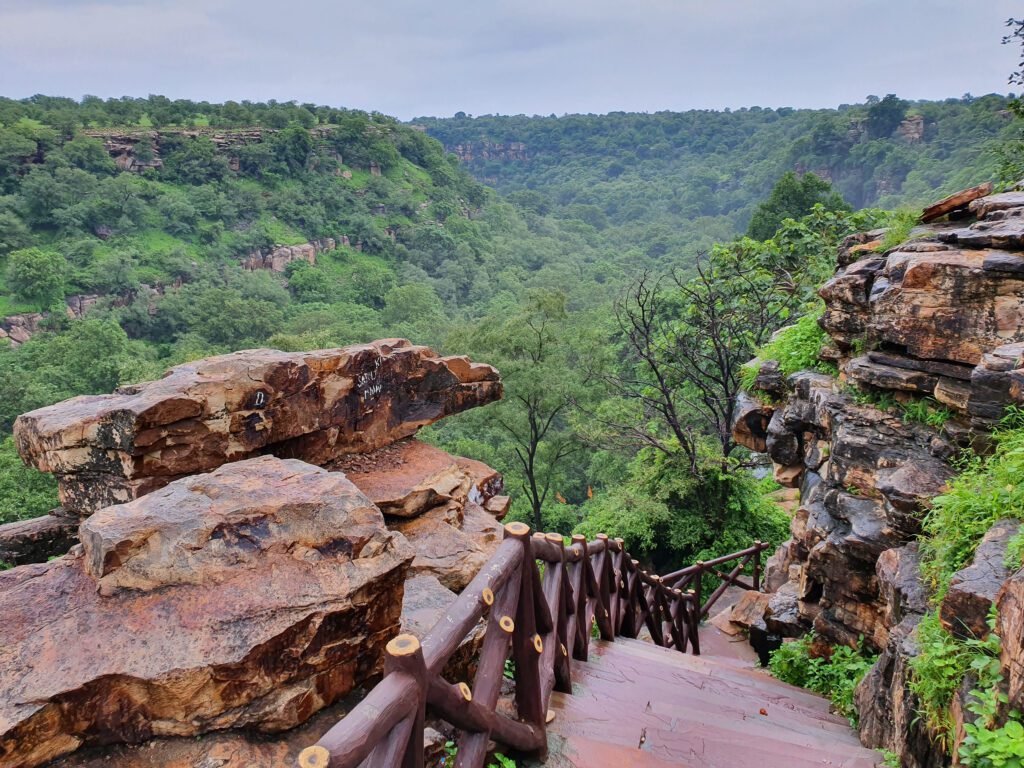
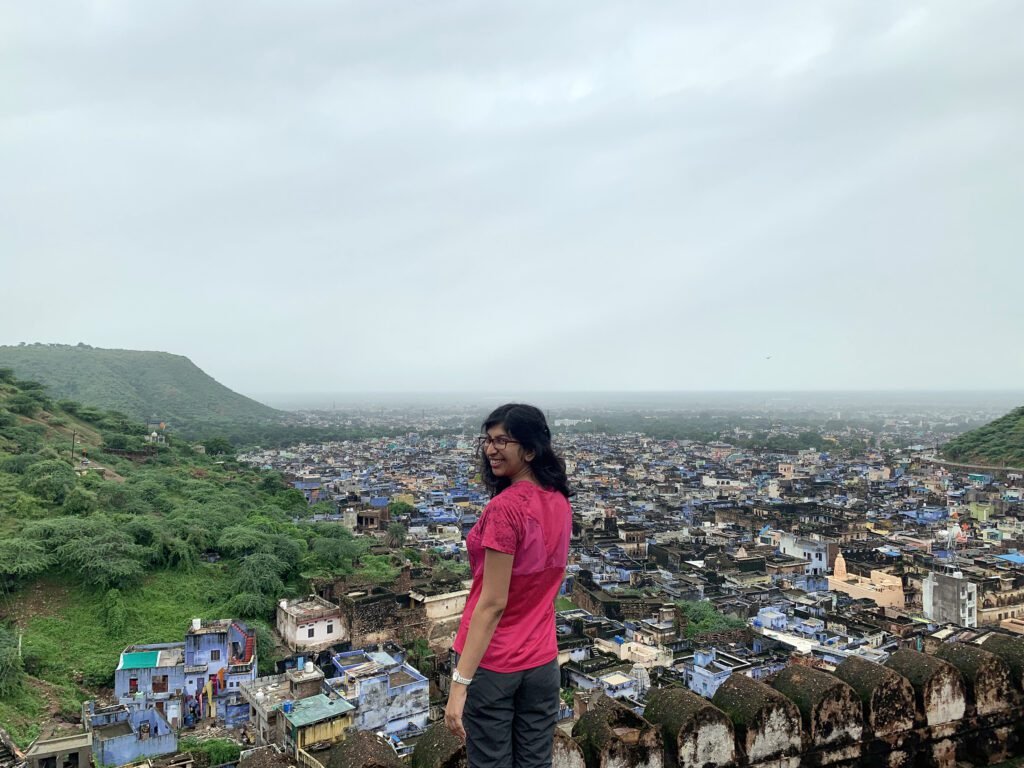
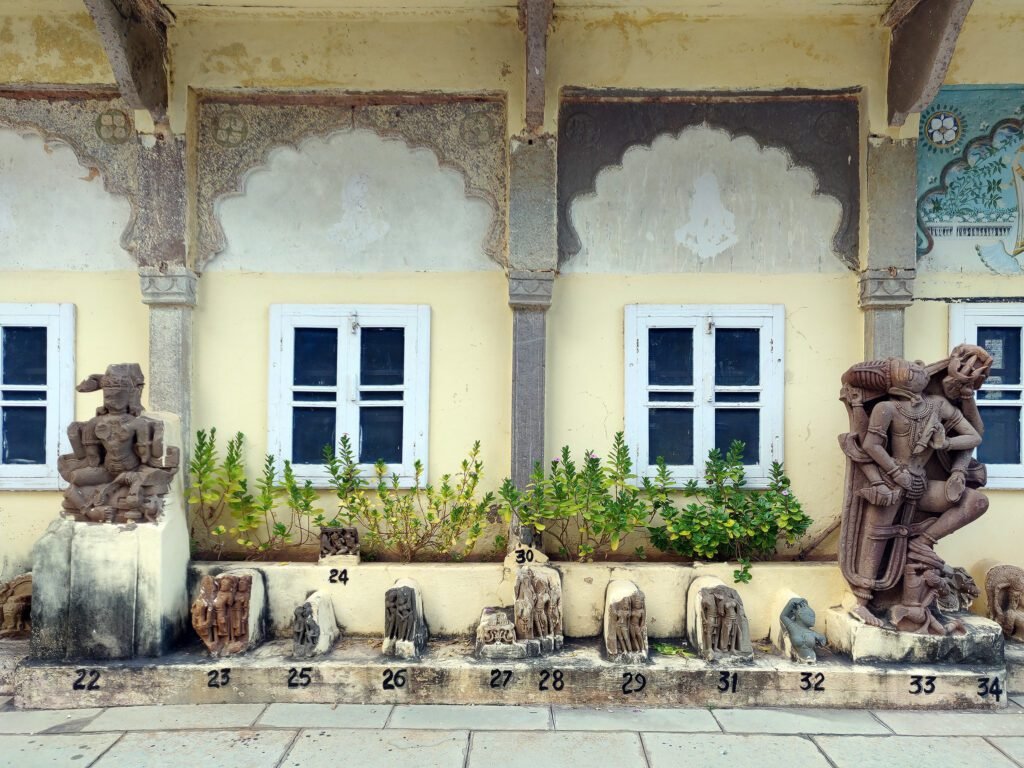
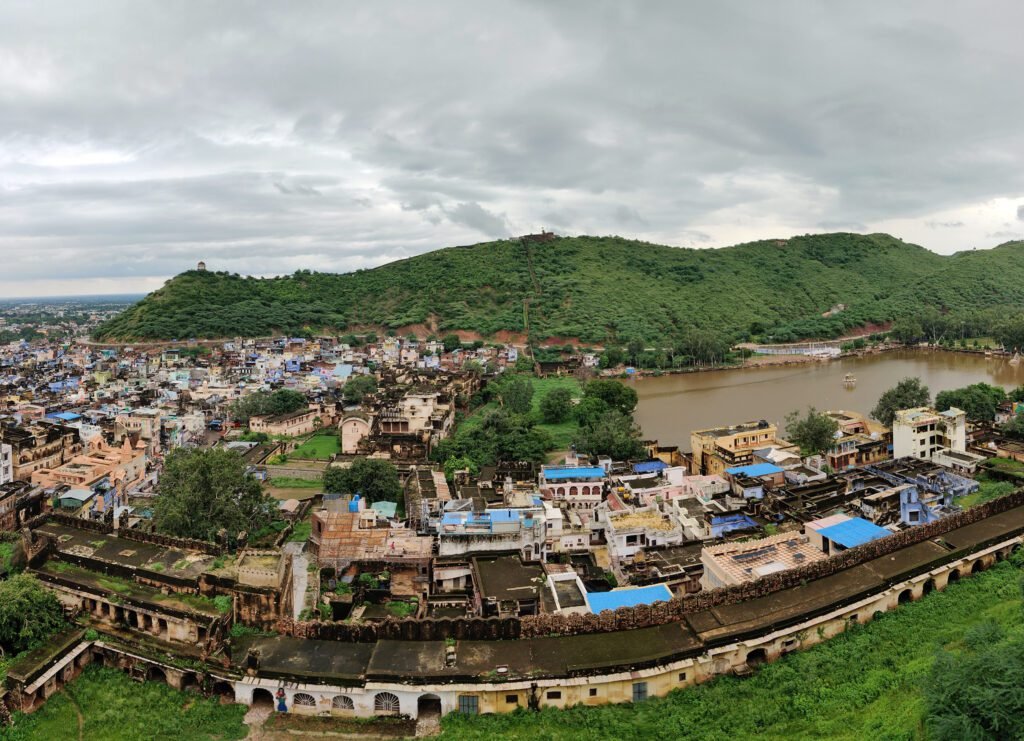
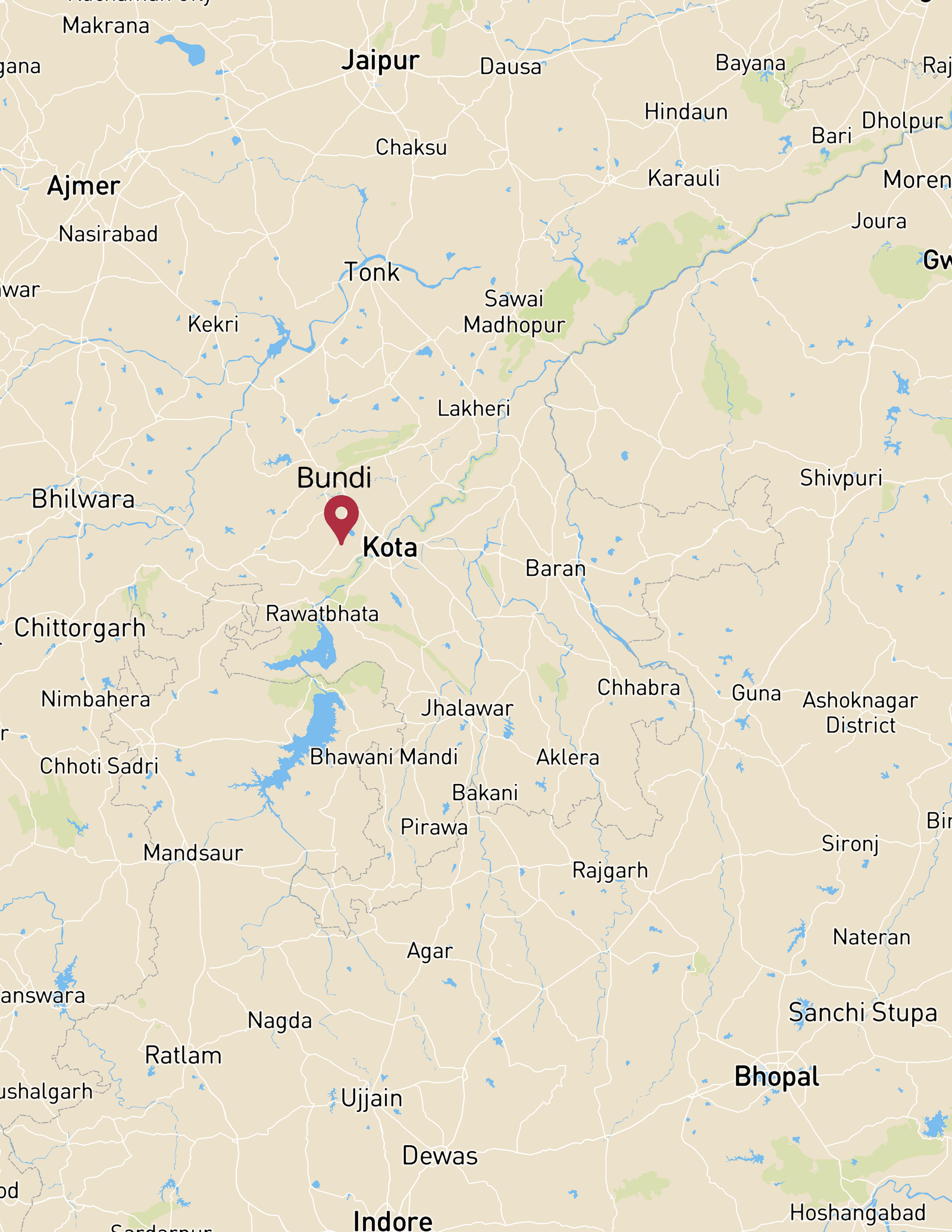
Bundi, a sleepy little charming town has graciously retained the magic of the centuries past. It’s located in the Indian state of Rajasthan, in a narrow valley within Aravalli Hills. The mesmerizing step-wells, miniature gold paintings, serene lakes, beautiful temples, colorful bazaars, vintage-style shops, smiling people, blue houses, and the chaos, is the essence of Bundi.
Rajasthan
Starts: from Jaipur
Ends: at Jaipur
Group Type: Mixed Gender
Dates
Start: 2:30 PM, Aug 6 2026
End: 1:00 PM, Aug 9 2026
20700
About the Tour
Bundi – if you haven’t visited this town before, means you are going to experience a hidden gem of Rajasthan. It’s going to surprise you with the amazing architecture, colorful lanes, beautiful cafes, spicy chai, and delicious food.
Bundi, a sleepy little charming town has graciously retained the magic of the centuries past. It’s located in the Indian state of Rajasthan, in a narrow valley within Aravalli Hills. The mesmerizing step-wells, miniature gold paintings, serene lakes, beautiful temples, colorful bazaars, vintage-style shops, smiling people, blue houses, and the chaos, is the essence of Bundi.
Did you know that Bundi is also known as the blue city of eastern Rajasthan?
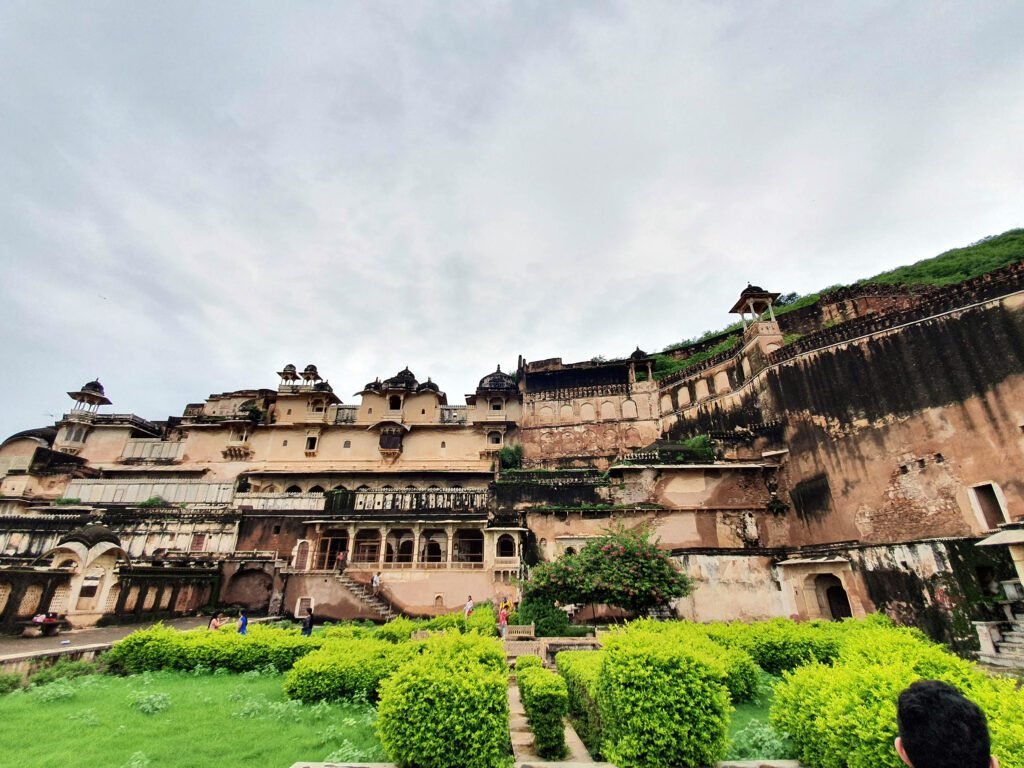
Bundi is not just an offbeat travel destination, but home to the rich history and mind-blowing artwork. As a matter of fact, Rudyard Kipling has described Bundi Palace to be “the work of goblins rather than of men”. Kipling was very fond of Bundi as he stayed there, while he was writing his novel “Kim”.
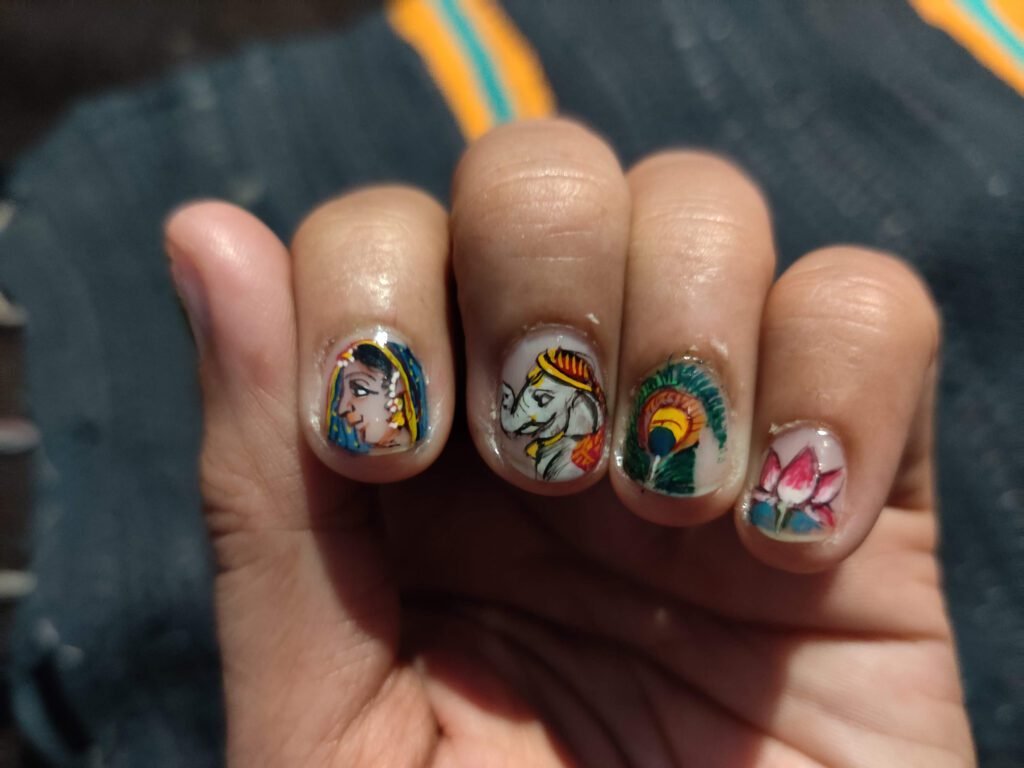
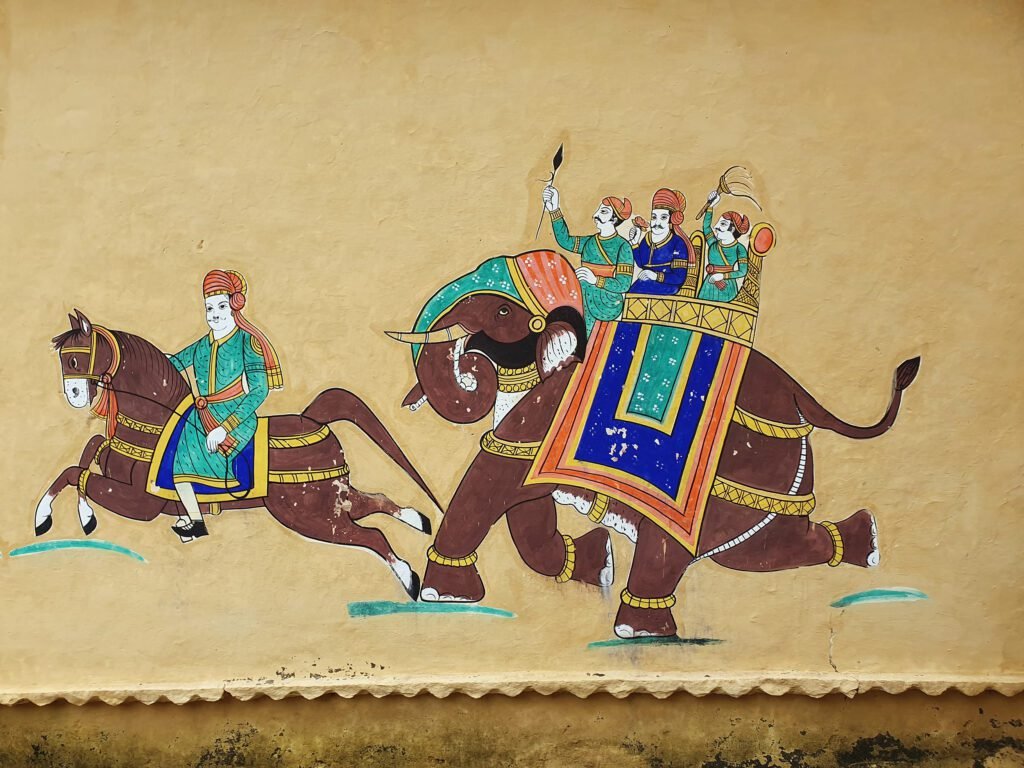
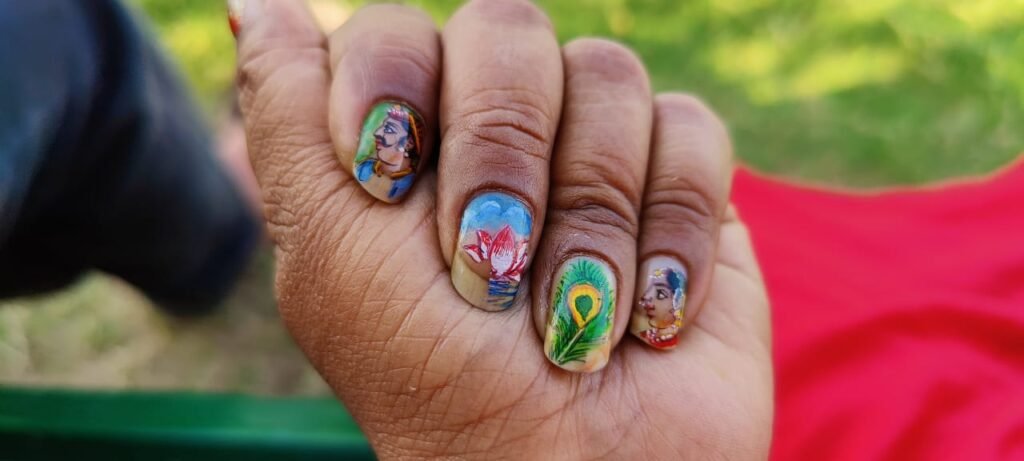
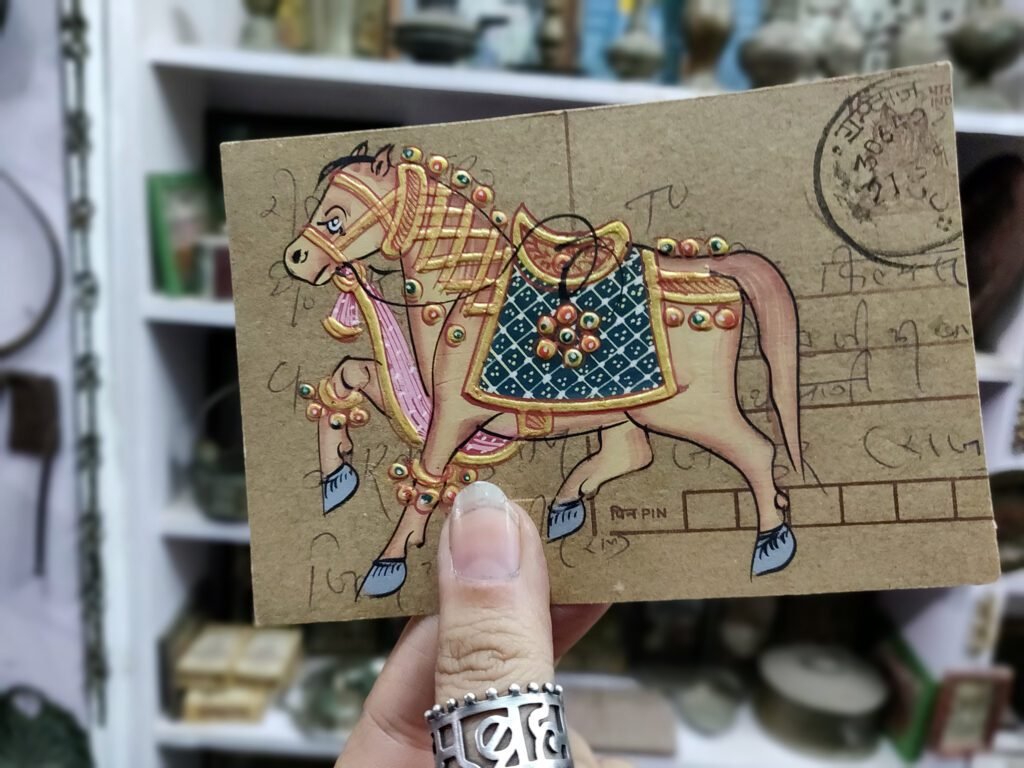
The intricate architectural work showcased by step-wells and Bundi palace speaks for itself. The miniature art paintings of Bundi are some of the best in the world. Tourist’s way of indulging with Bundi’s miniature paintings is by embracing this art on their nails, and buying painted postcards.
Located at a distance of a few kilometers from Bundi, is the town of Kota.
Kota, located on the banks of the Chambal river, has an unexplored and breathtaking beauty. Did you know that Rajasthan proudly boasts about Kota in its latest tourism ad campaign? Beyond coaching institutions, students, and hostels, Kota is a city dotted with palaces, museums, lakes, and gardens which are proof of its prosperous past.
Do we now have enough motivation to set ourselves on an exploration adventure to Bundi and Kota?
Trip Highlights
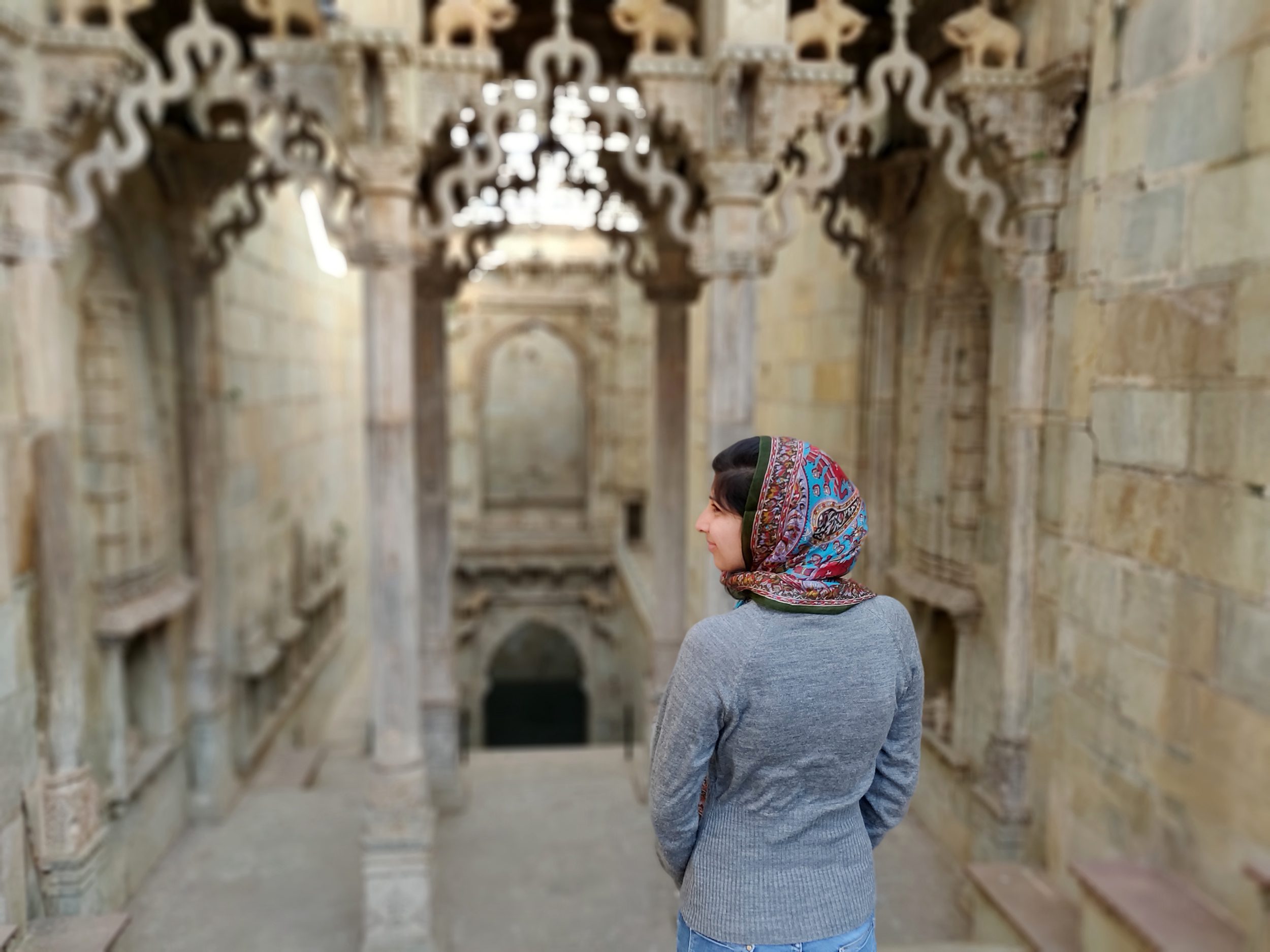
1. Raniji ki Baori
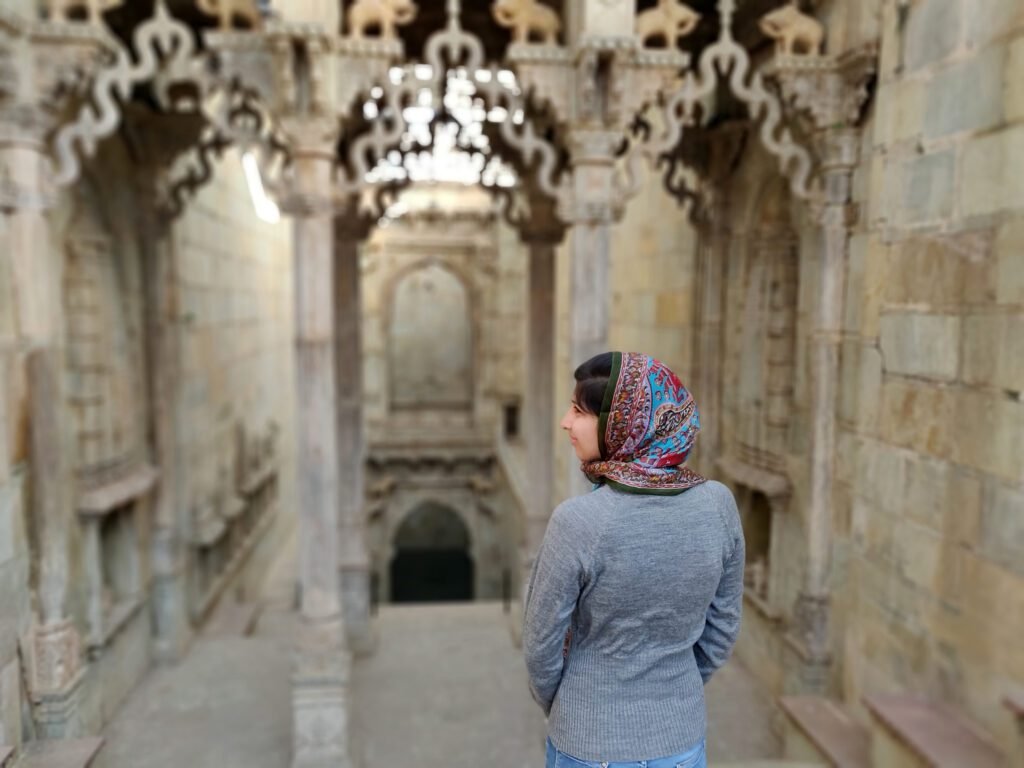
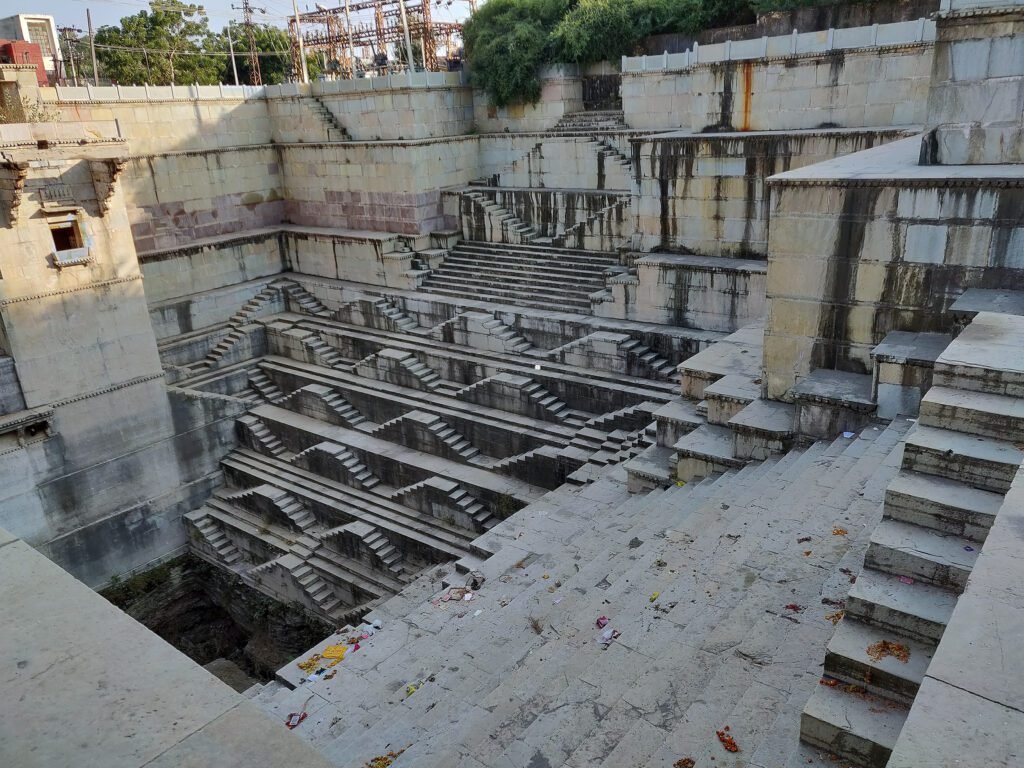
Raniji ki Baori is a picturesque stepwell located in Bundi. It’s a multi-storeyed structure, with a depth of 46 meters, a high arched gate, and a beautiful entrance marked by four pillars. Did you know that many parts of the step-well has intricate stone carvings that make Raniji ki Baori a spellbinding place to visit?
It was built in the 17th century by Rani Nathavati Ji who was the younger queen of the ruling King of Bundi named Rao Raja Anirudh Singh. Doesn’t it justify the name of this step-well because in English Raniji translates to “Queen” and Baori translates to “stepwell”?

2. Bhimlat Falls
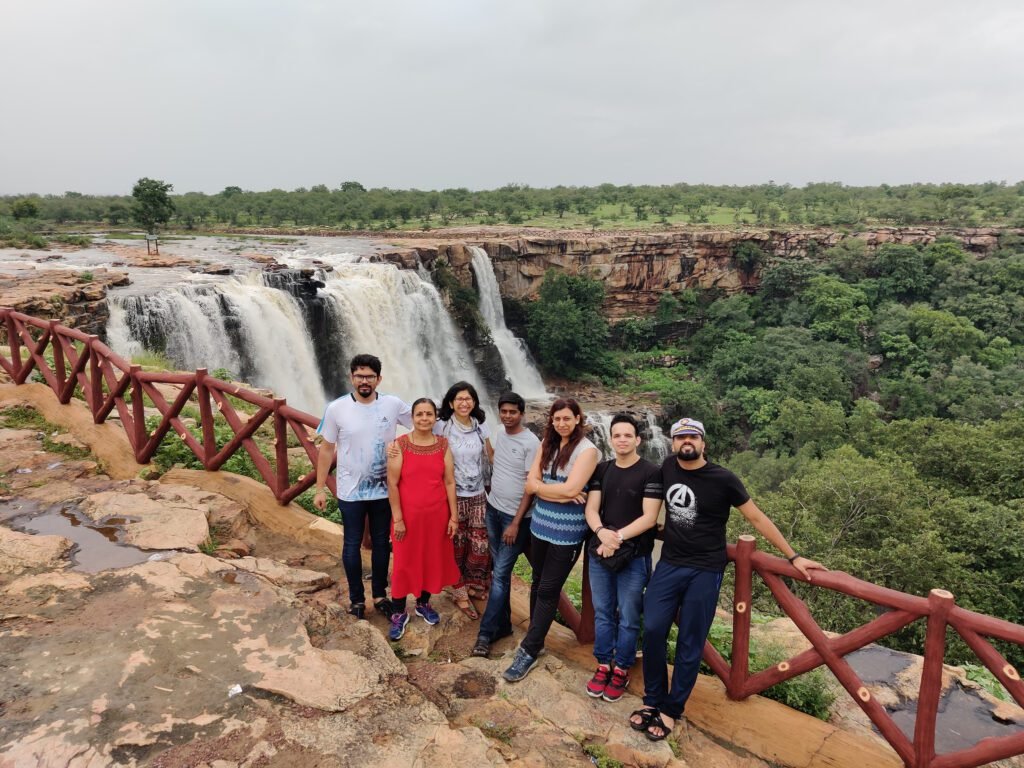
Bhimlat Waterfalls are the most spectacular falls of the region, located at a distance of a few km from Bundi. It’s a cascading waterfall, with a height of 60 meters. As per mythology, Bhimlat falls were created by Bhim to quench the thirst of Pandavas during their exile. However, as per the historical facts, these falls were formed as a result of an 8th century earthquake. We will also visit Mahadev temple near Bhimlat Falls.
Doesn’t it sound like a much-needed place to visit to soothe our eyes and calm the soul?
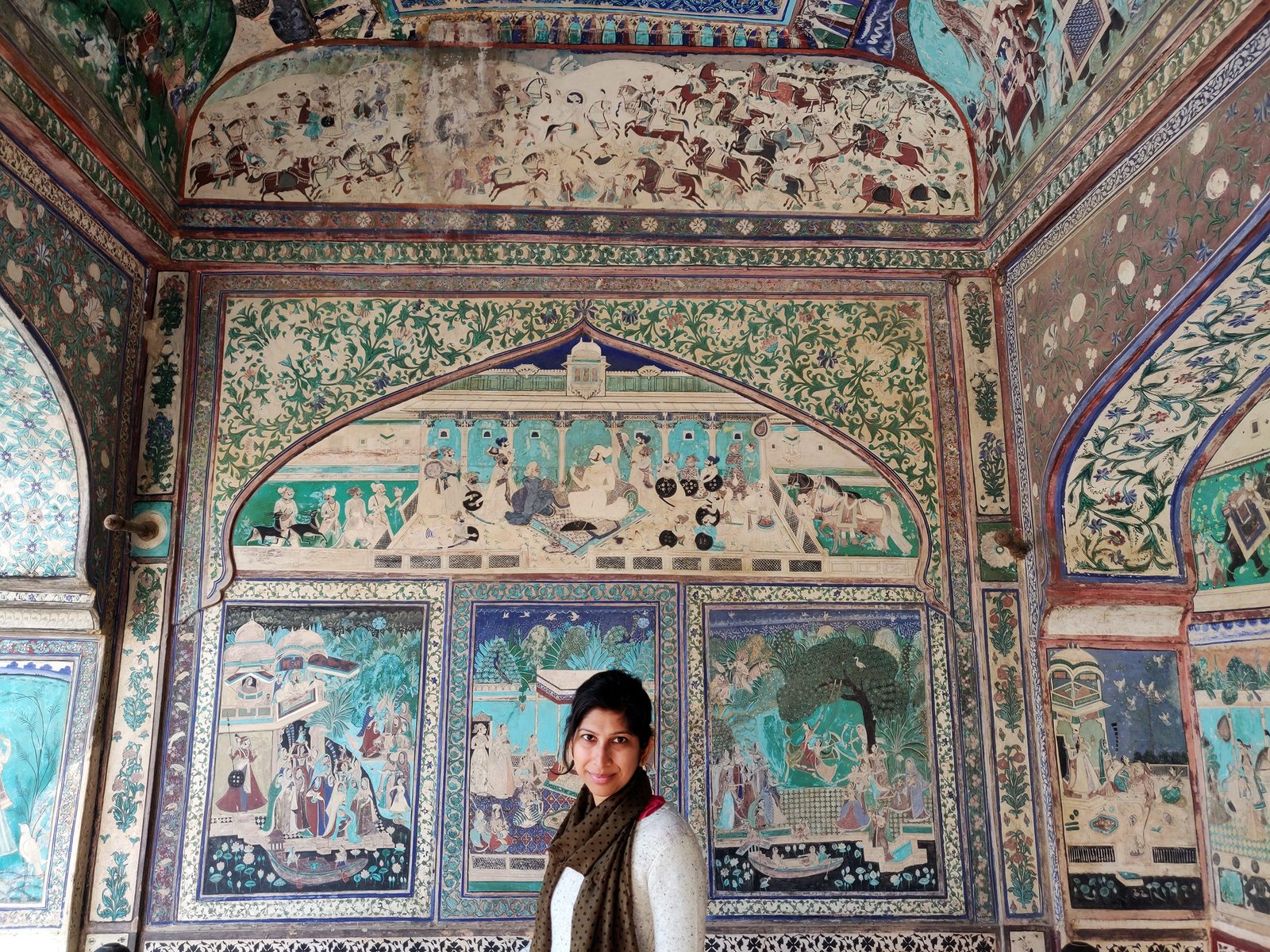
3. Bundi Chitrashala
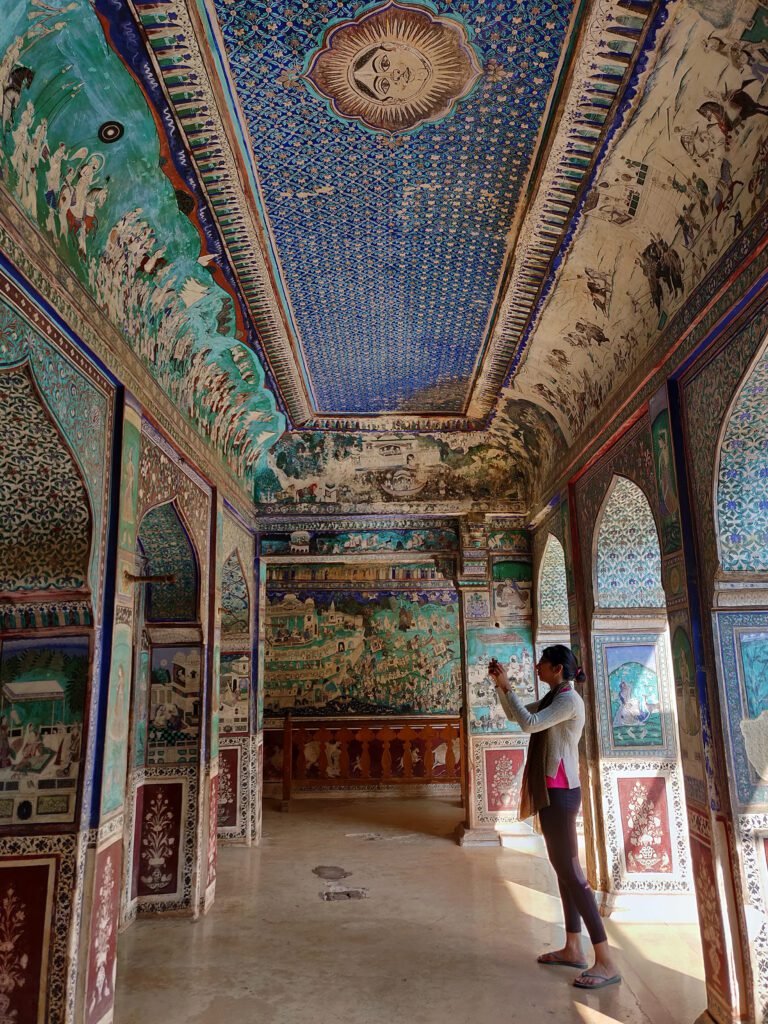
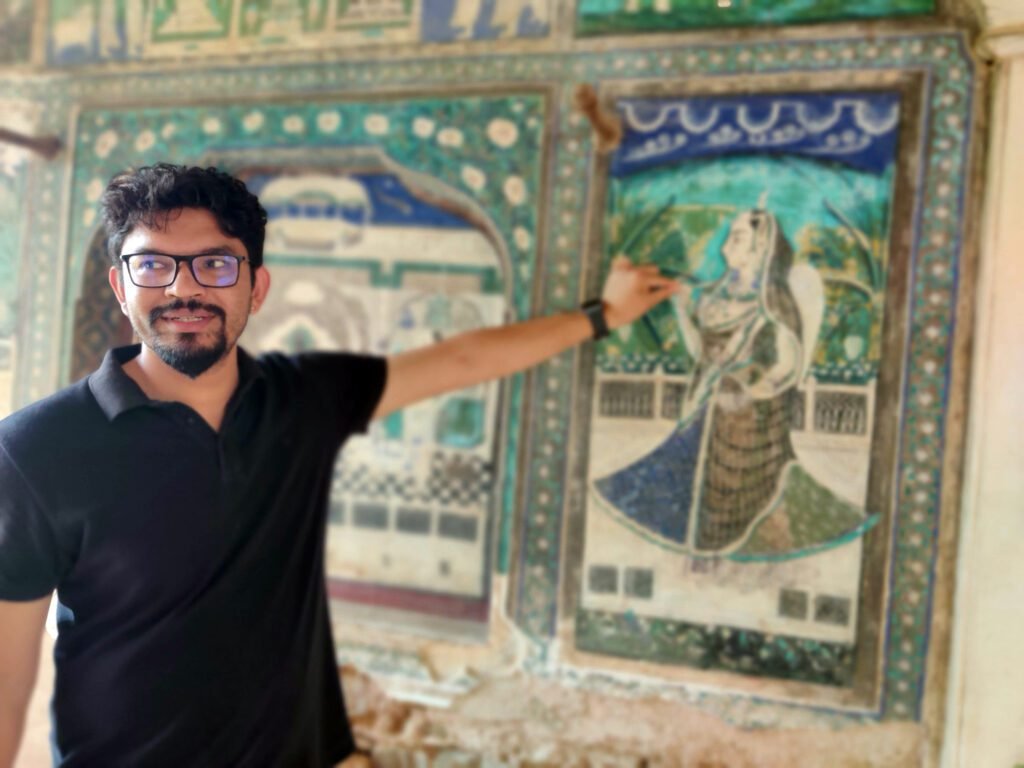
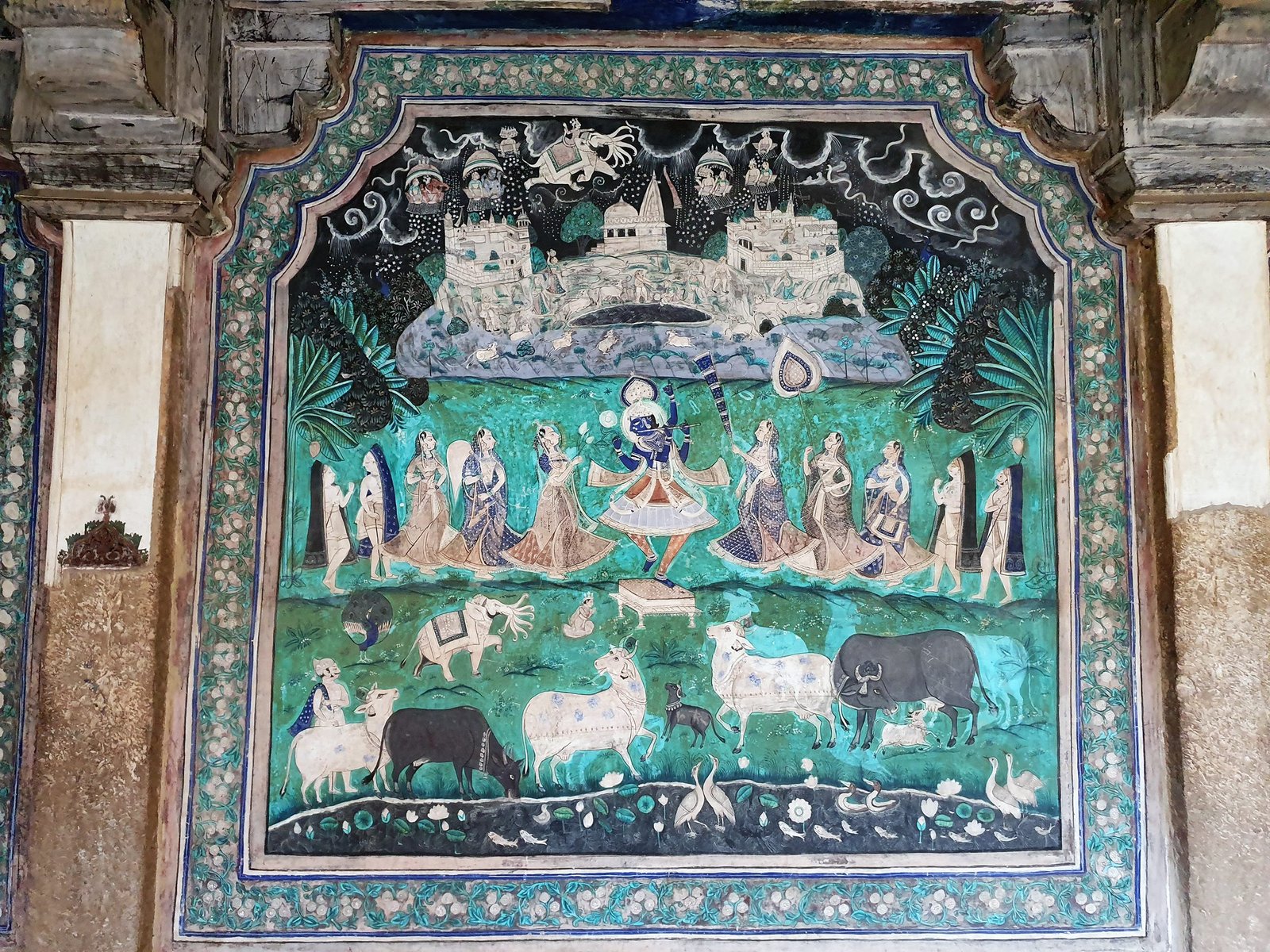
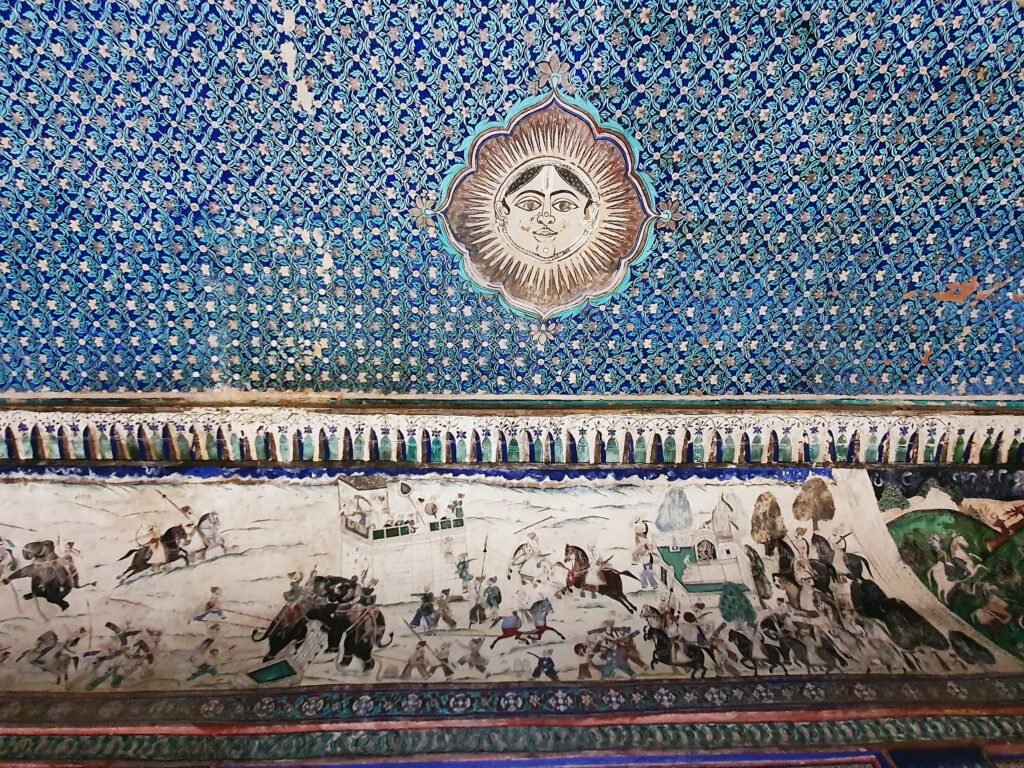
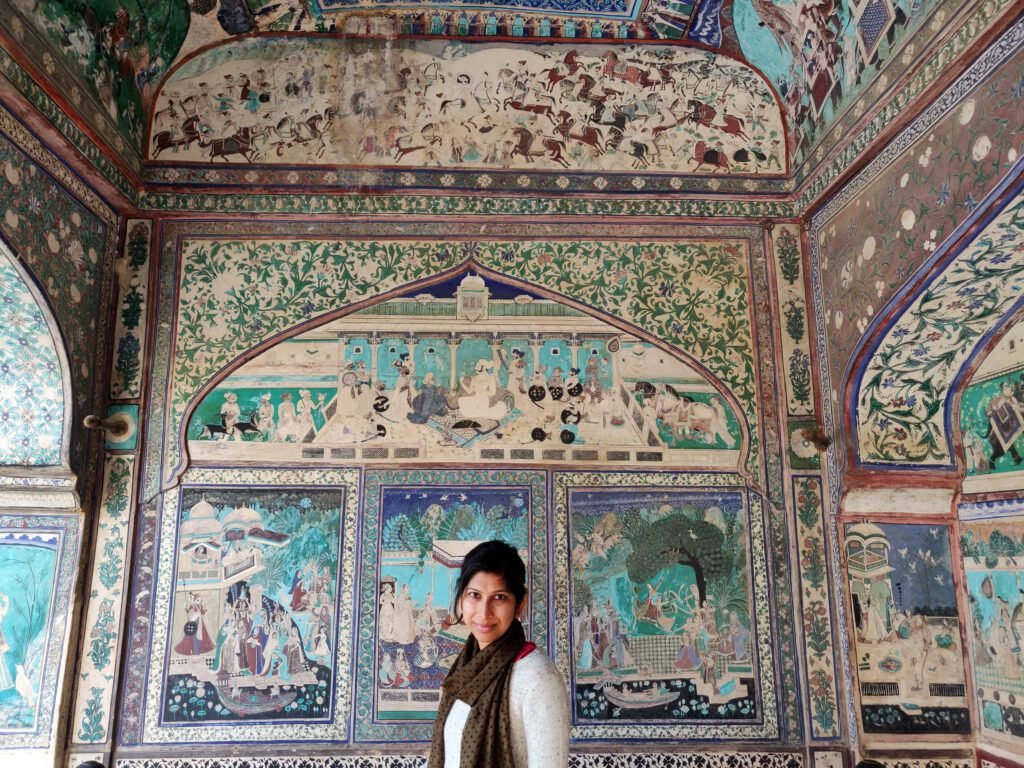
Bundi Chitrashala has a very important contribution to the Rajasthani style of Indian miniature painting from the 17th to 19th century. Entering Bundi Chitrashala makes one feel as if they have entered a fairy palace. Every single inch of Bundi Chitrashala is adorned by mesmerizing miniature paintings depicting the life of Lord Krishna, court scenes, festivals, processions, hunting, etc. The shades of blue and green dominate and even the minutest details are done well in the paintings. These paintings are unquestionably some of the best in the world.
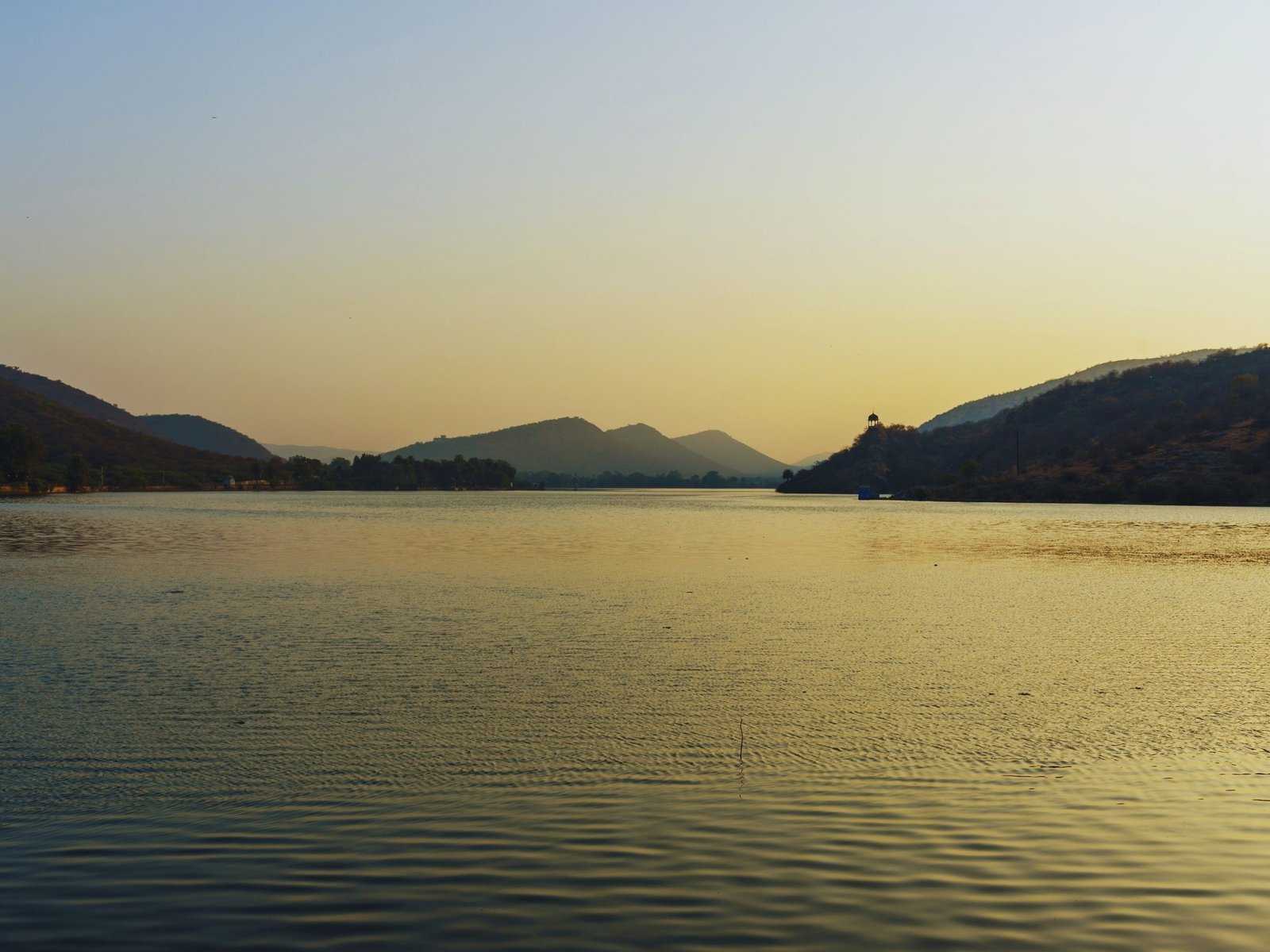
4. Jait Sagar Lake
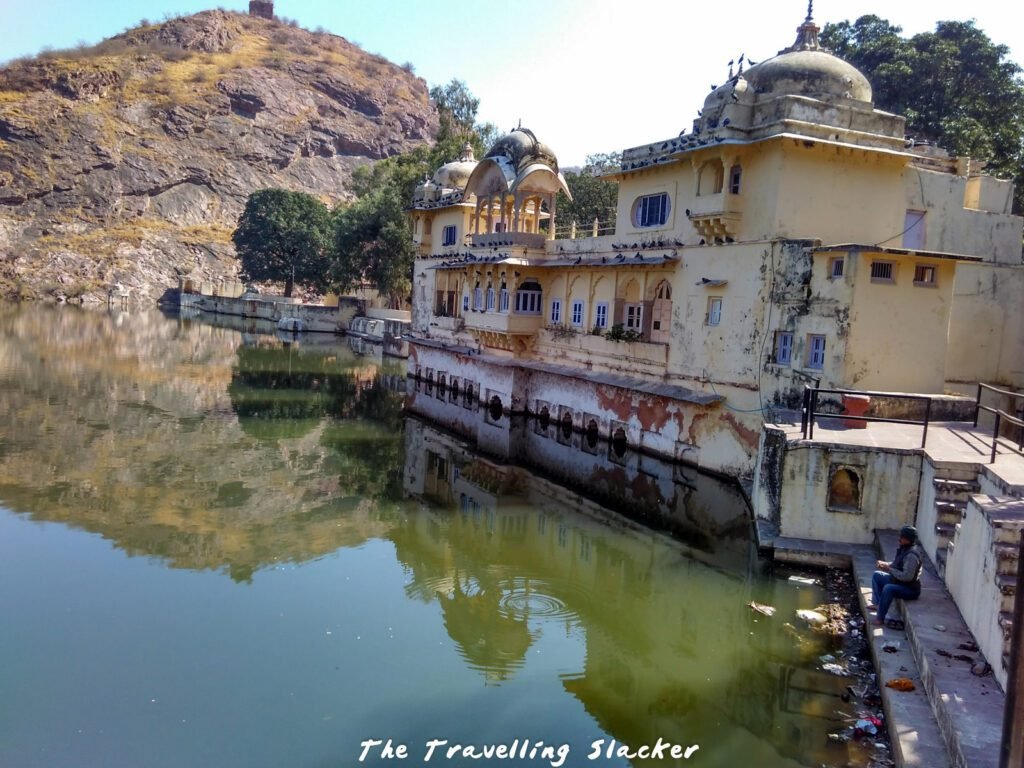
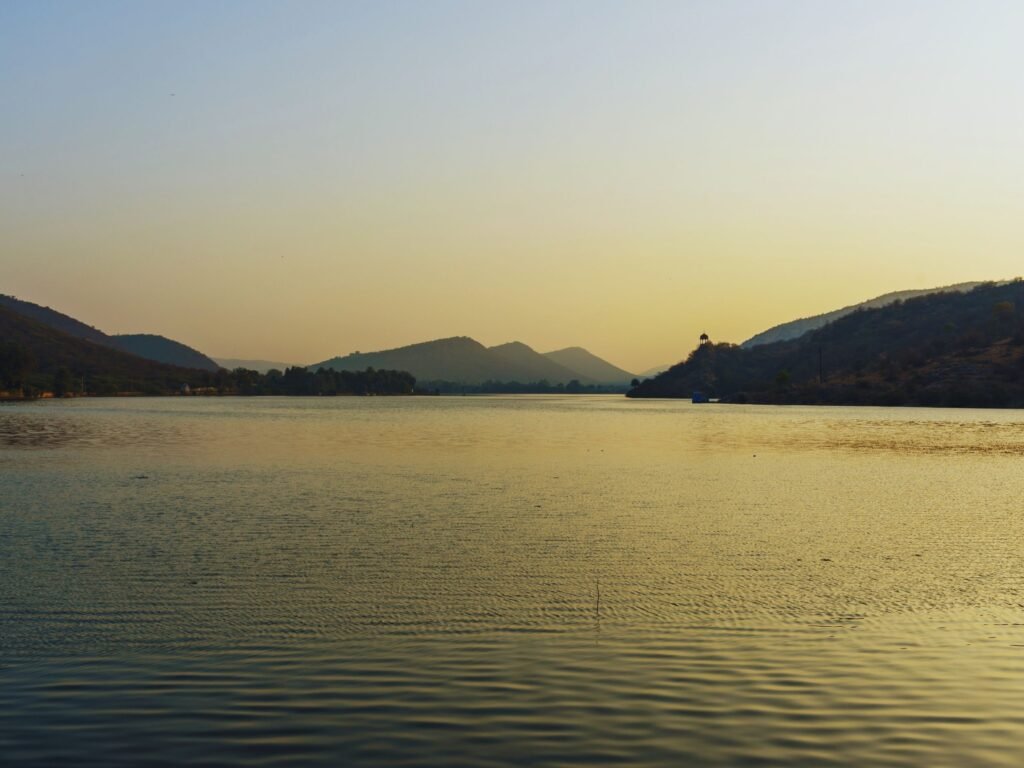
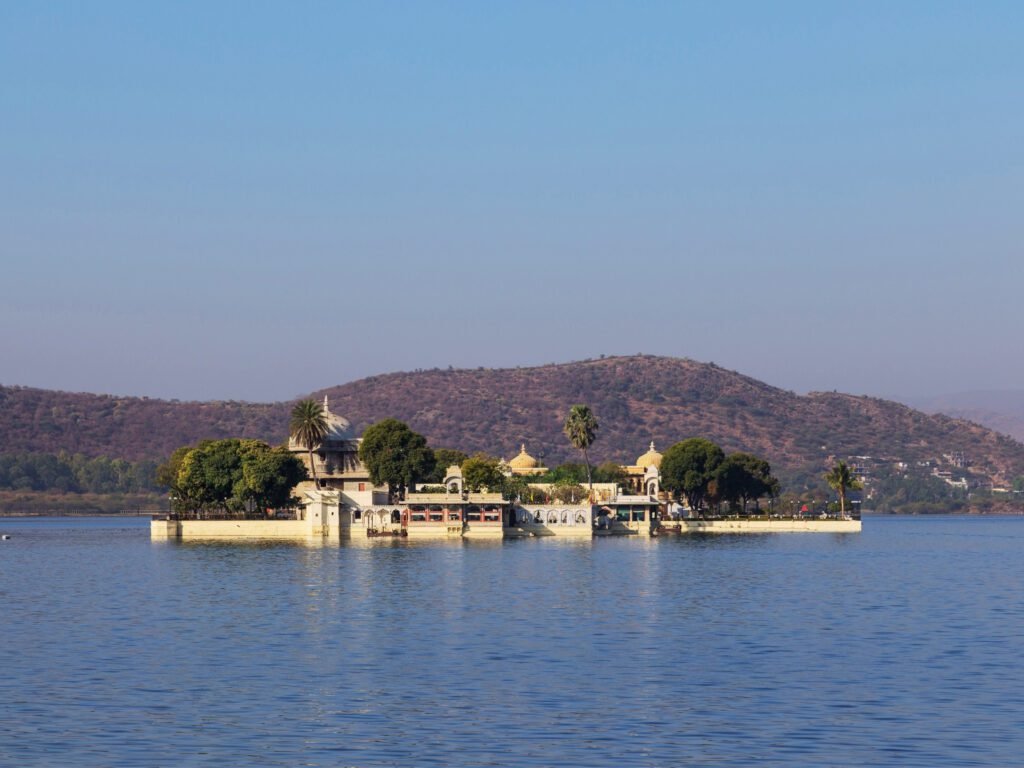
Jait Sagar Lake, located at a distance of 3 km from Bundi, is a picturesque lake located right next to Sukh Mahal. The lake is nestled between Aravalli hills and tall walls with four entry points to the lake. Did you know that in monsoon months, the beauty of the lake is enhanced by blooming lotus flowers?
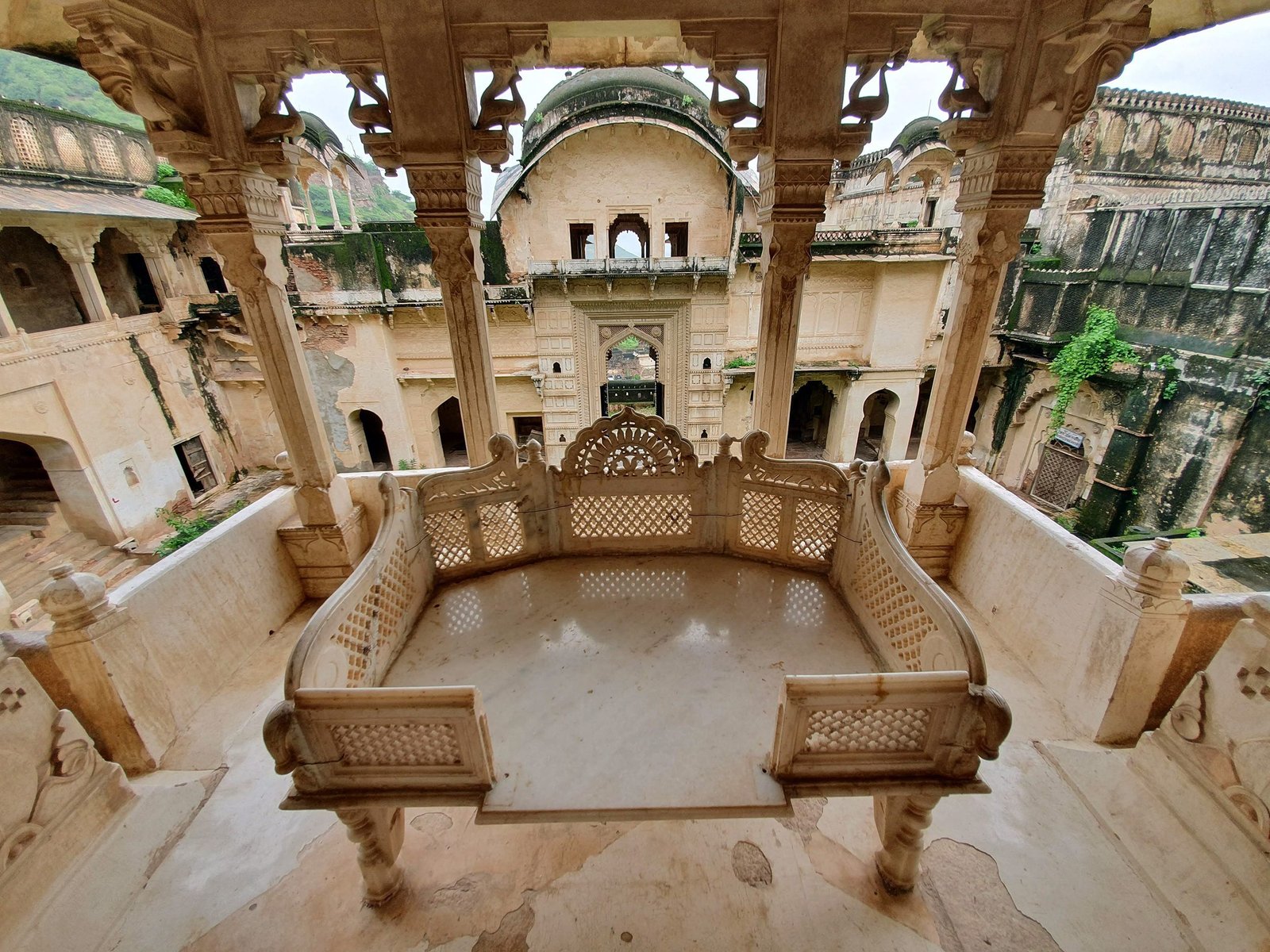
5. Bundi Palace
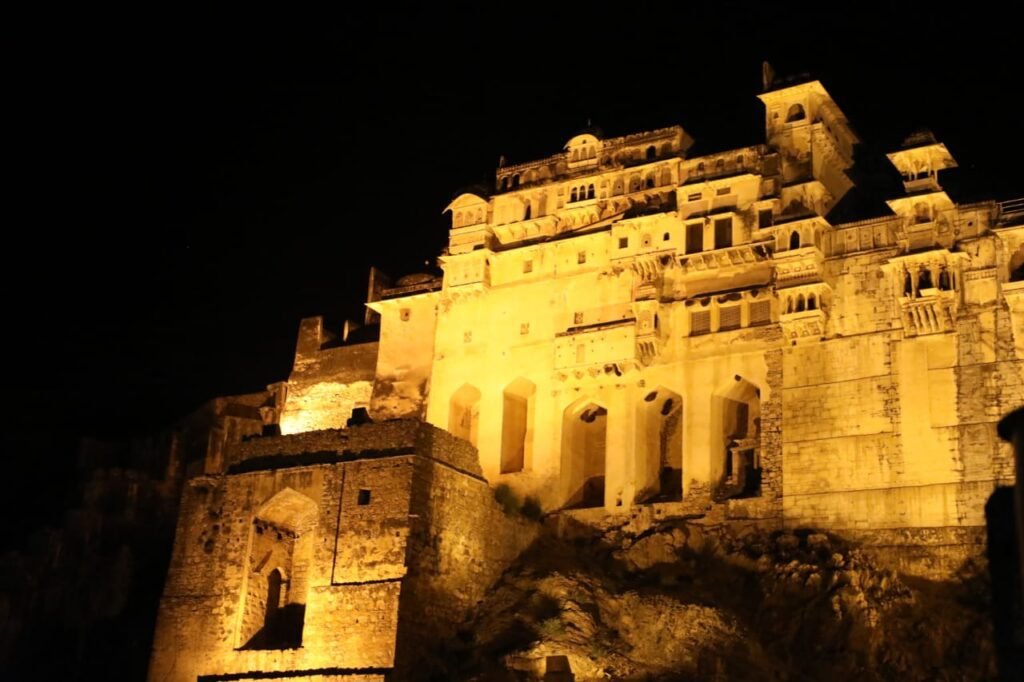
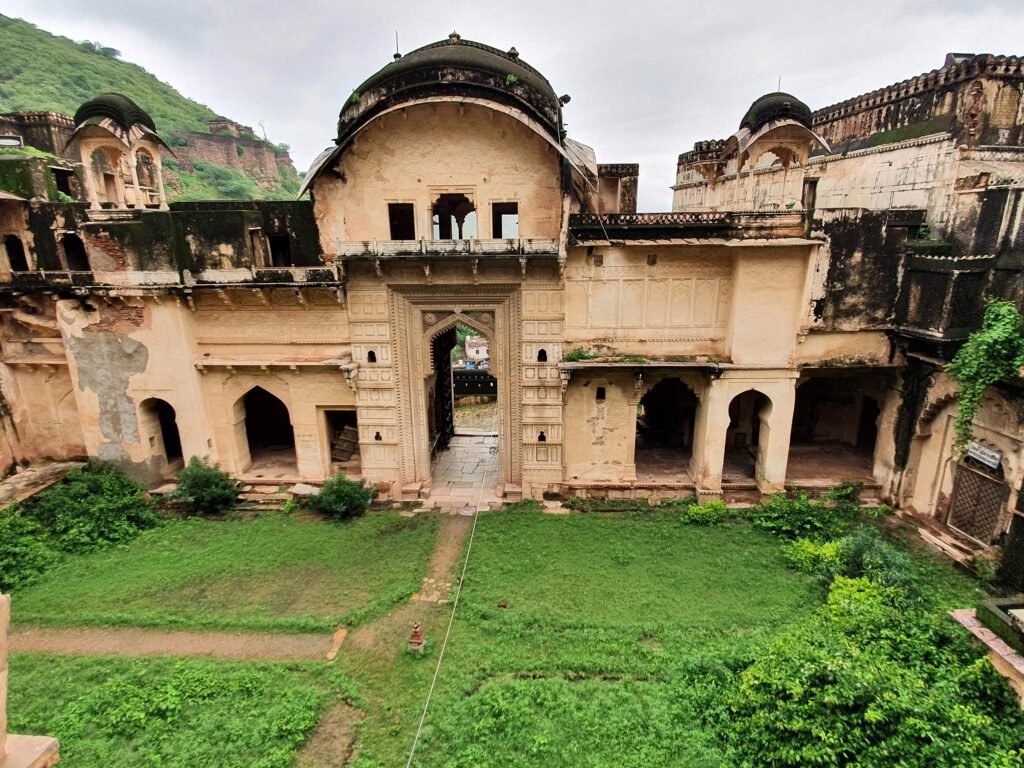
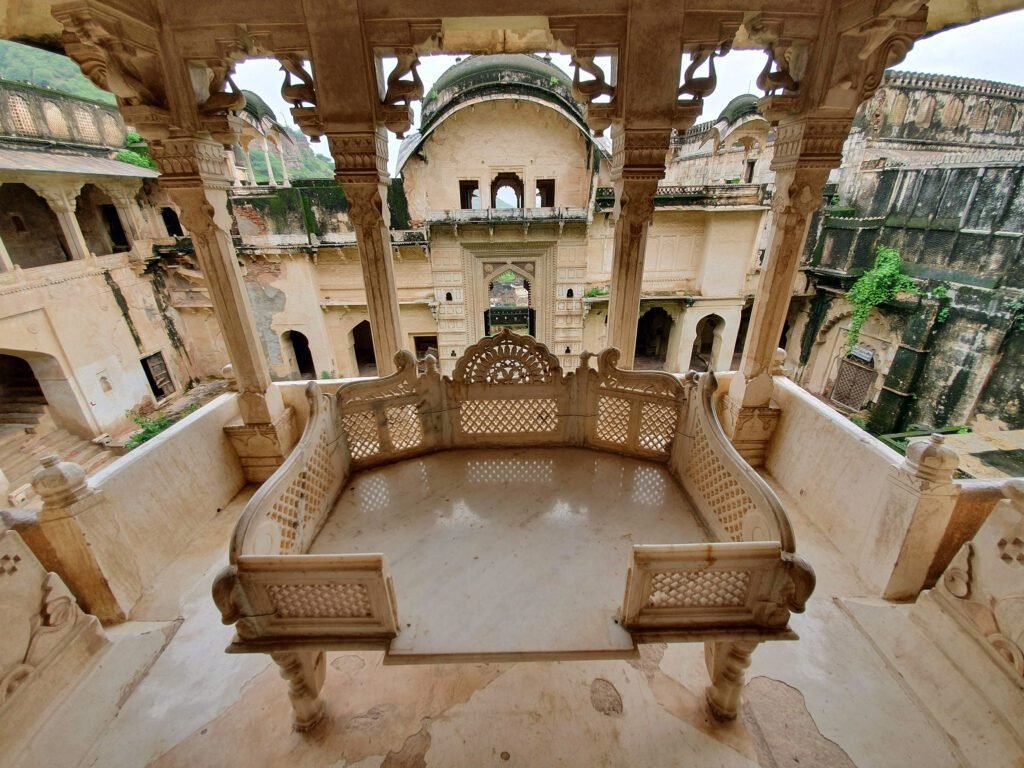
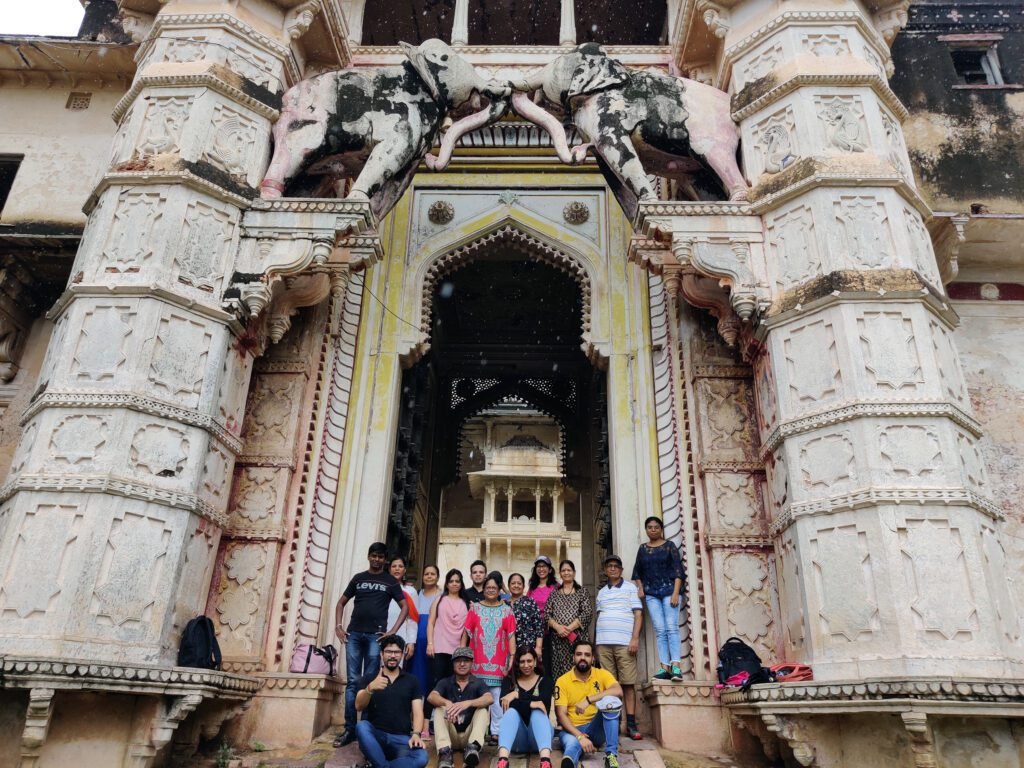
Bundi Palace was constructed by Rao Raja Ratan Singh Hada in the early 17th century. It’s easily recognizable by the elephants built at its entrance which is also known as Hathi Pol or Elephant Gate. The most fascinating thing about Bundi Palace are gold-painting murals, beautiful doors enhanced by local art, and a wonderful ceiling inspired by Chinese art.
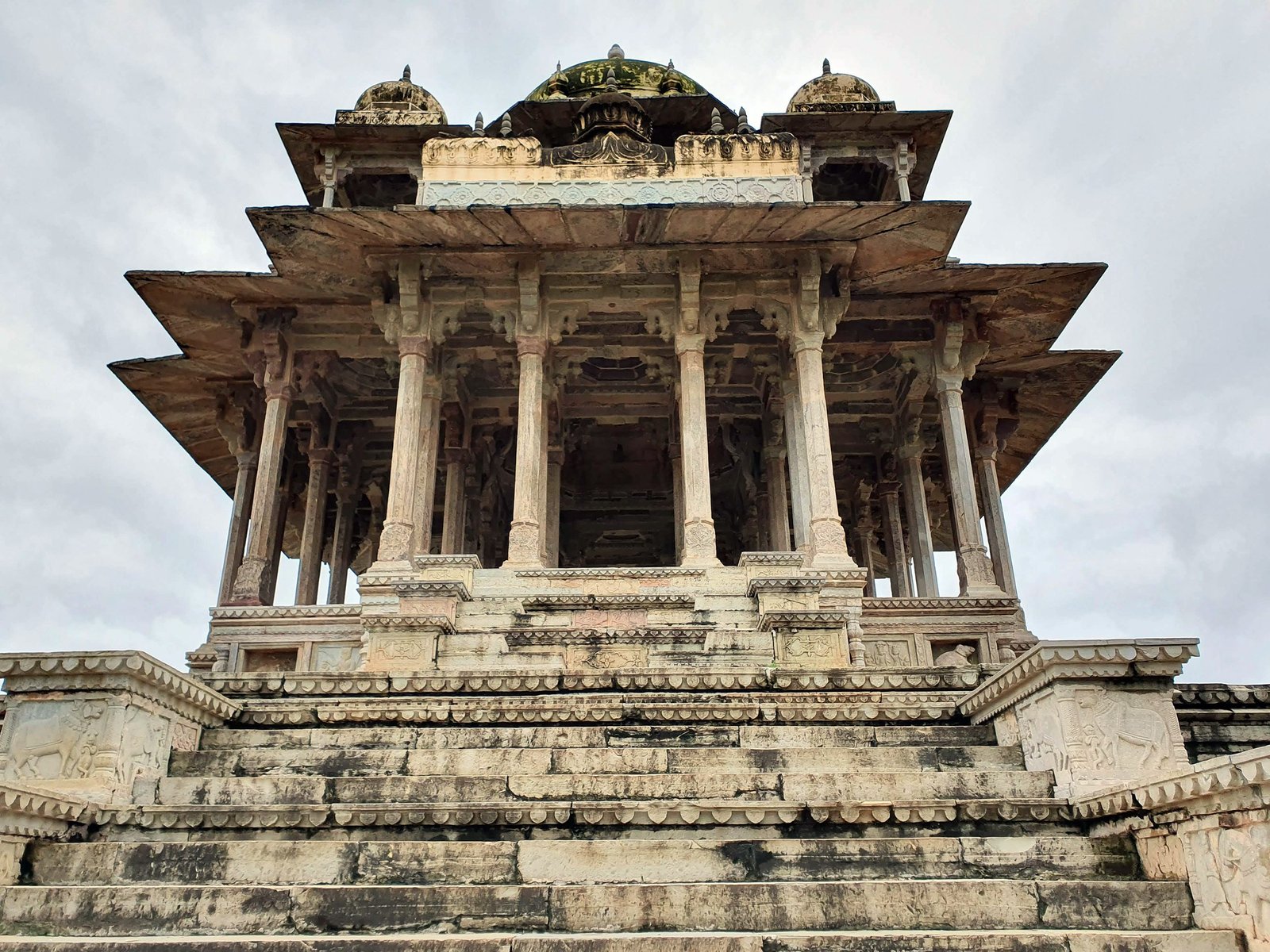
6. 84 Pillared Cenotaph
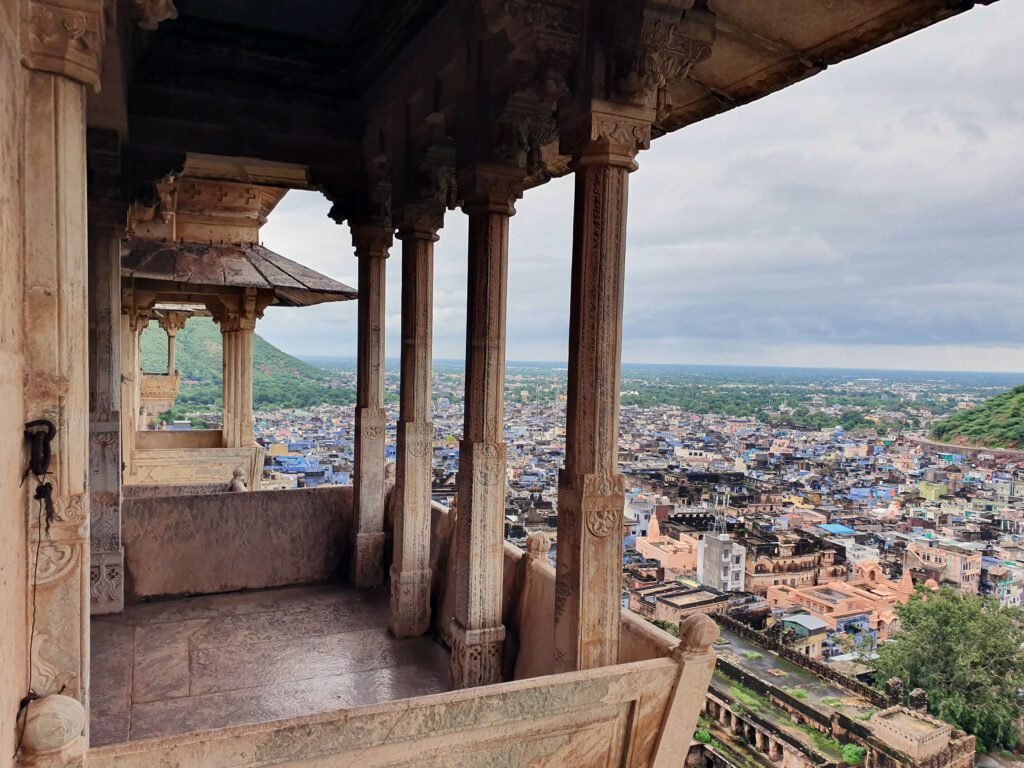
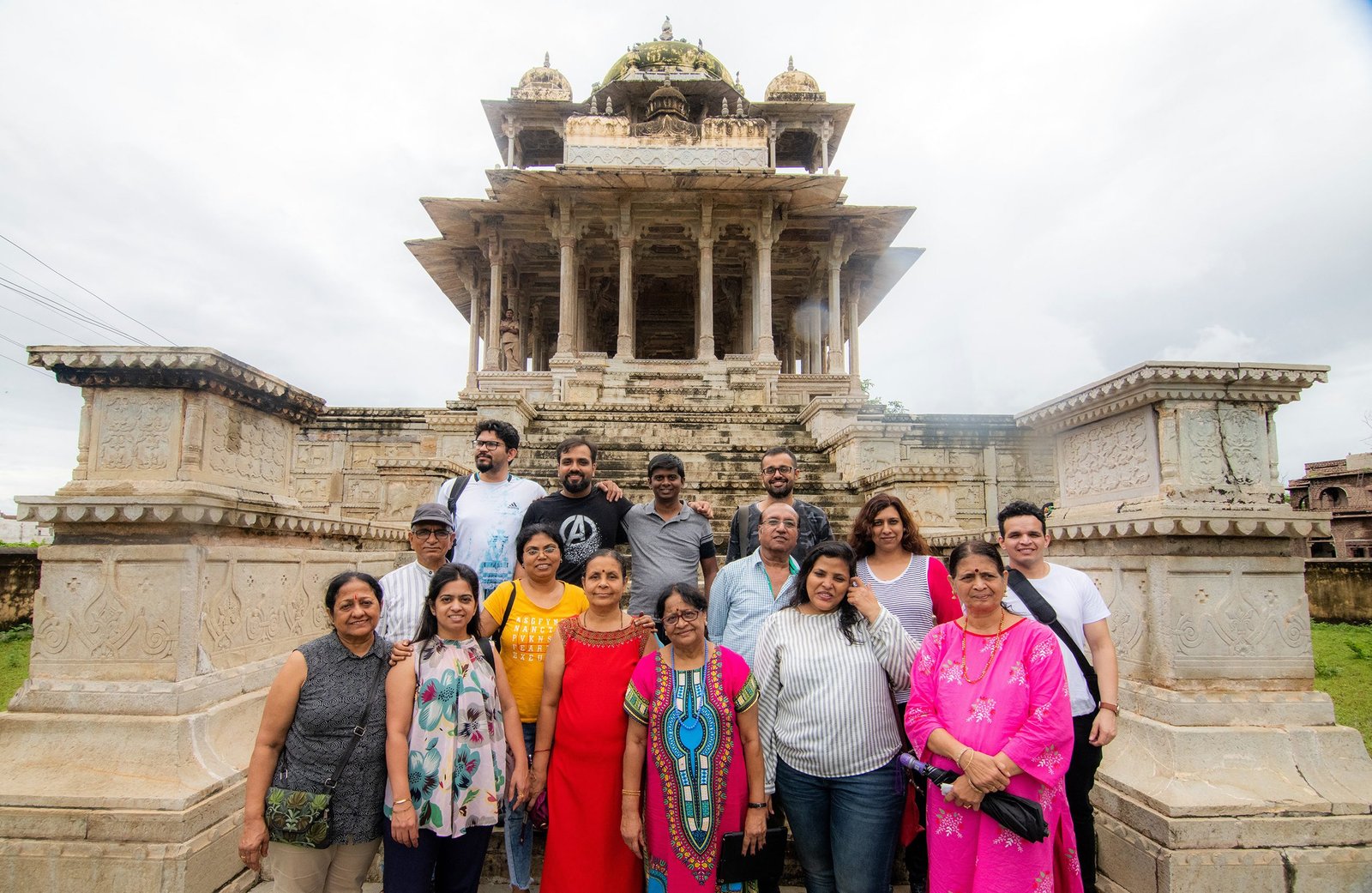
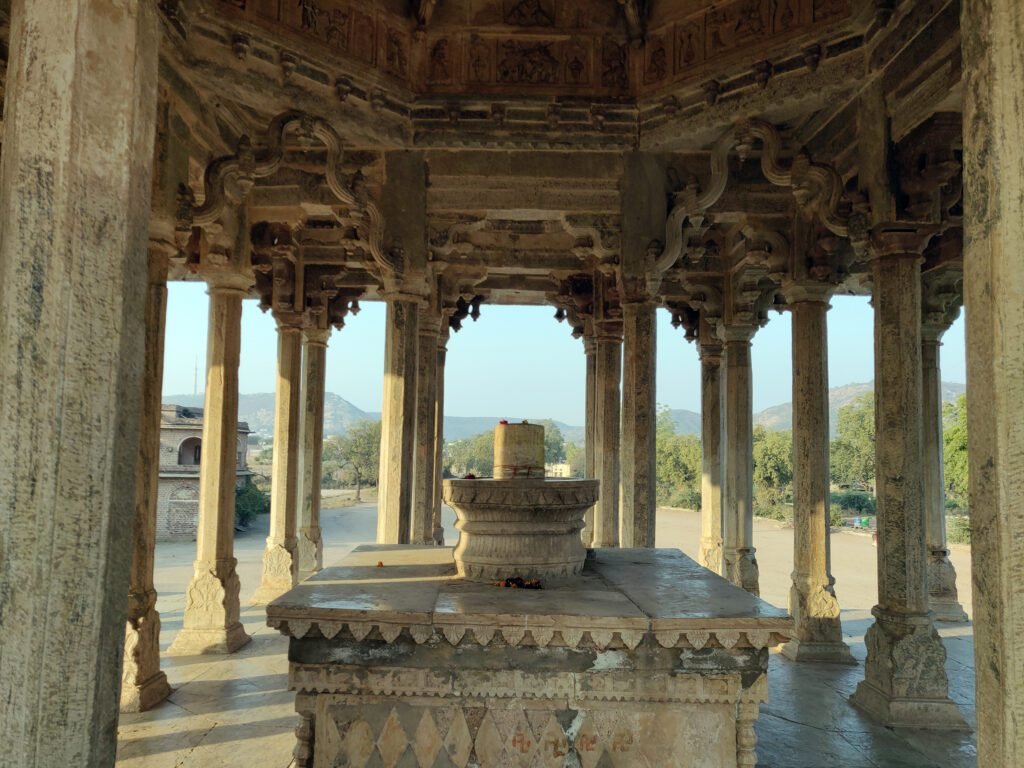
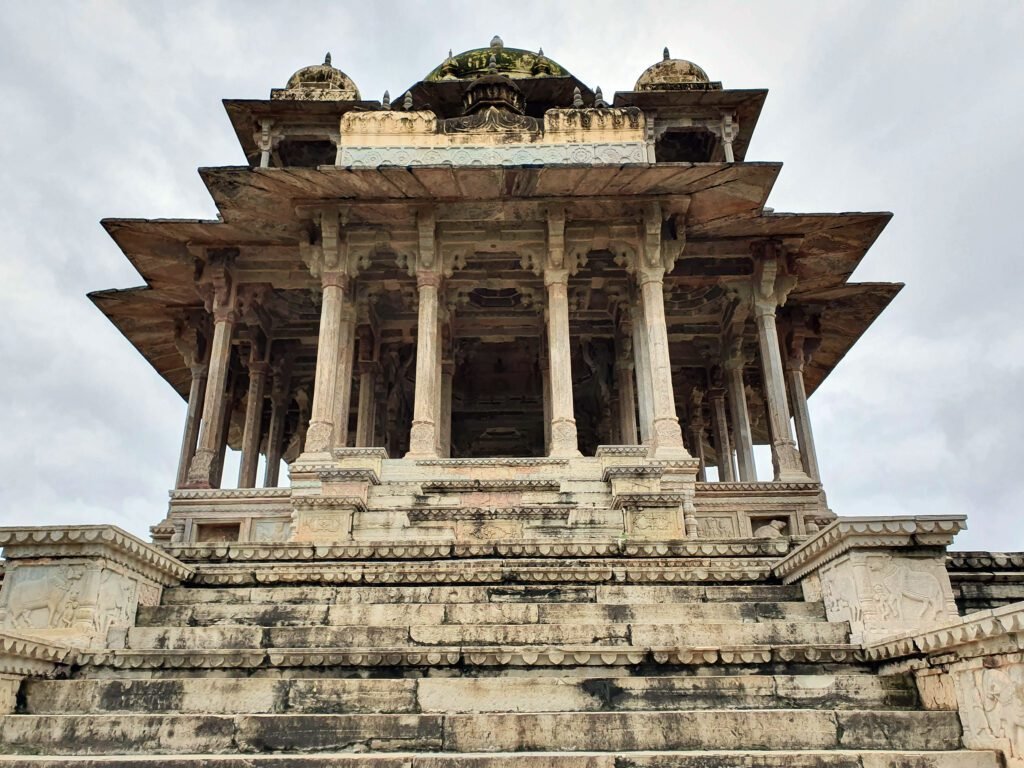
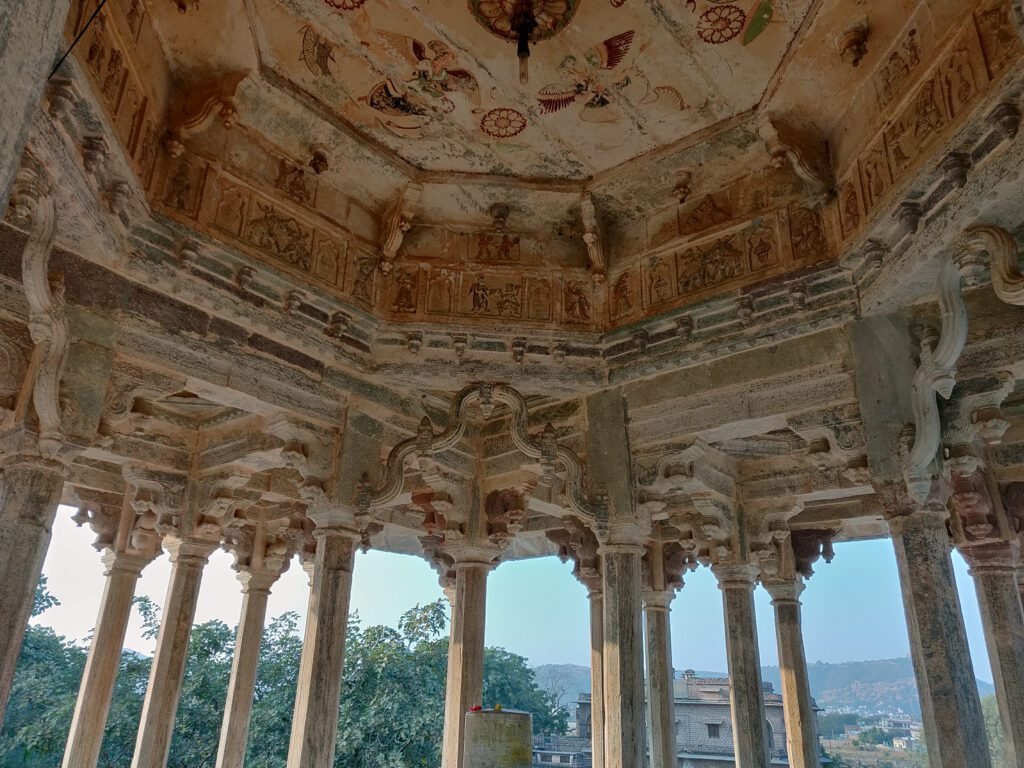
84 Pillared Cenotaph, built by the king of Bundi Rao Raja Anirudh Singh, is an umbrella-like double-storied structure adorned with artistic figures exhibiting the art which was prevalent in the 17th century. At the upper level, the main chhatri (umbrella) is supported by 16 pillars, and corners are complemented by the other four small chhatris. At the lower level, a Shiva Lingam is placed in the center below a beautiful roof which is supported by 84 pillars. Hence, the name of the monument is 84-pillared cenotaph. It’s truly an architectural marvel and a paradise for portrait photography.
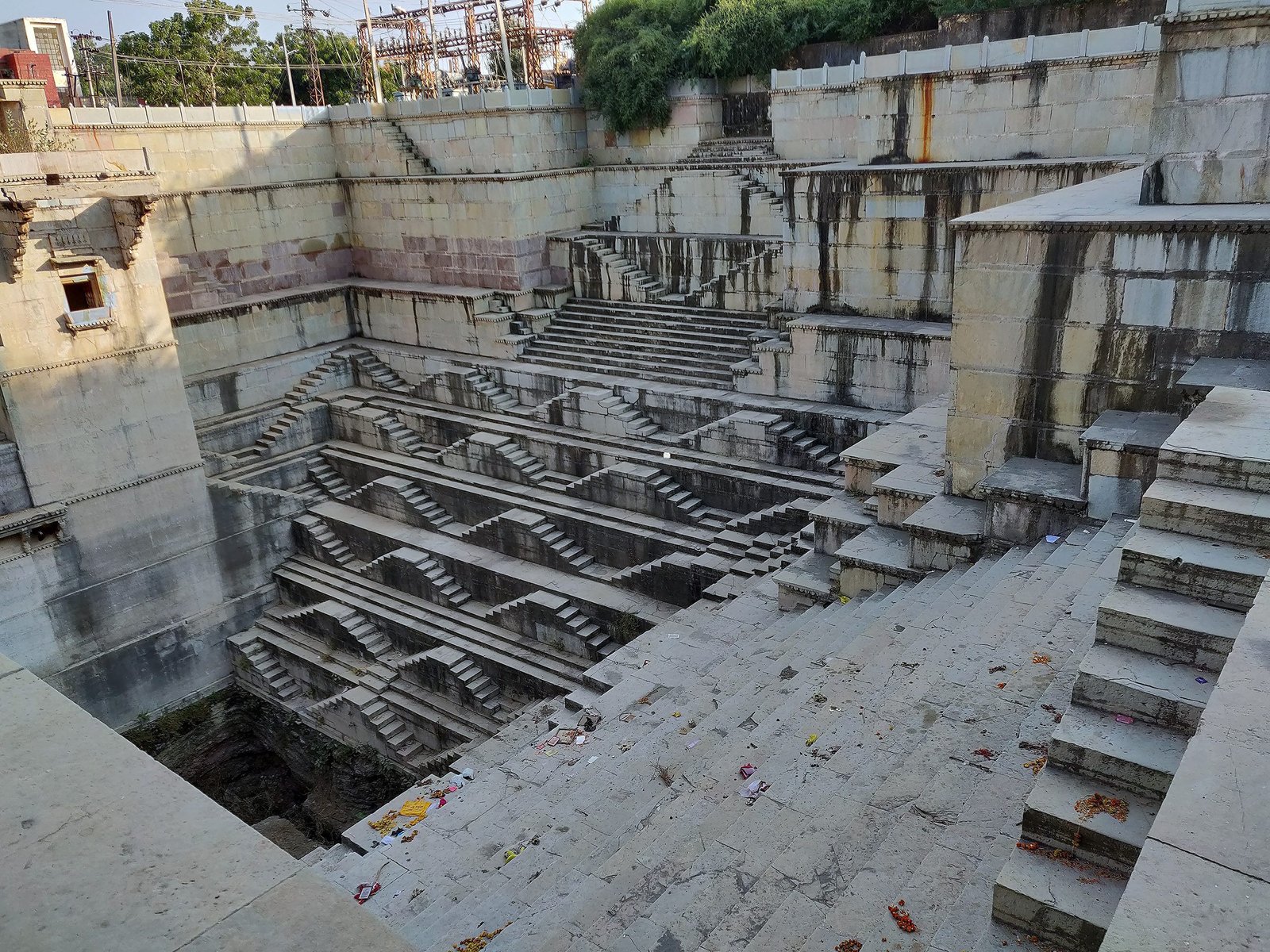
7. Dhabhai Kund
Dhabhai Kund, constructed by Prithvi Raj Chauhan, is another beautiful step-well located in the town of Bundi. The spectacular carvings on staircases and the symmetrical geometrical pattern of every step leaves the visitors spellbound. Dhabhai Kund can also be viewed as a smaller version of Chand Baori, located in Dausa district of Rajasthan, because of the strong architectural resemblance.
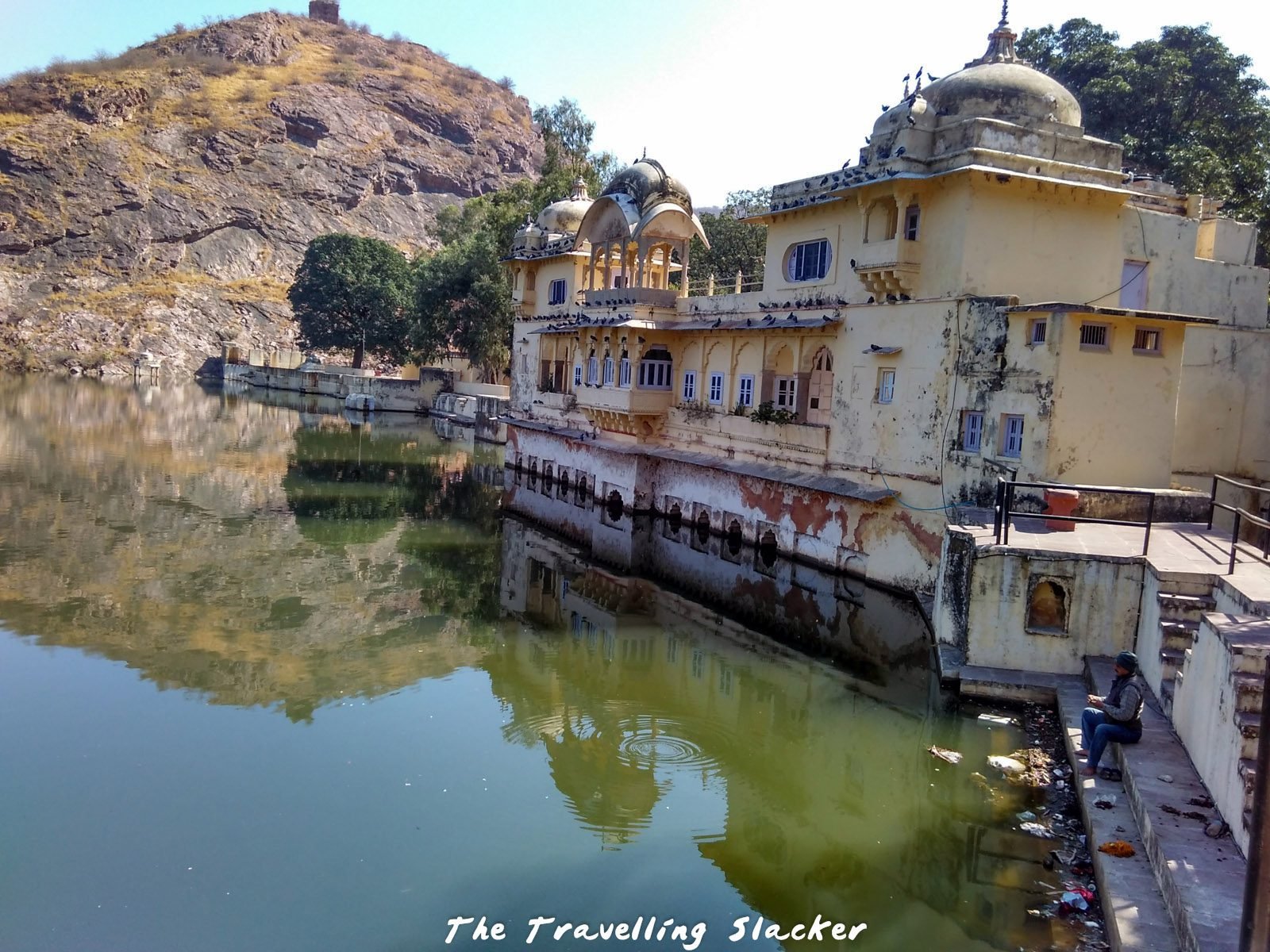
8. Sukh Mahal
Sukh Mahal, as the name suggests, was constructed to be used for leisure activities by the royal prince. It’s lies by the lake Jait Sagar and hence the visitors get an illusion of being submerged in water. The mountain in the background of Sukh Mahal makes it a postcard-perfect location.
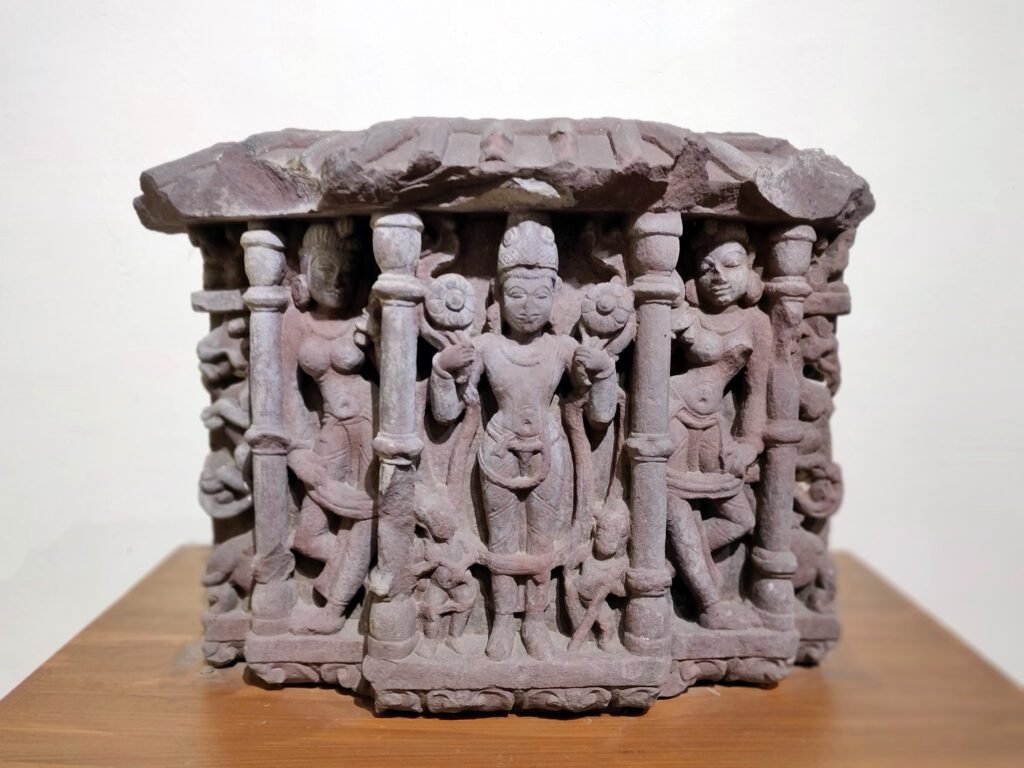
Sukh Mahal hosted Rudyard Kipling during his stay in Bundi, in the 19th century, while he was working on his novel “Kim”. Local people also refer to Sukh Mahal as Kipling Palace. A few years ago, Sukh Mahal was converted into a museum that houses beautiful Bundi miniature paintings, statues, and weapons.
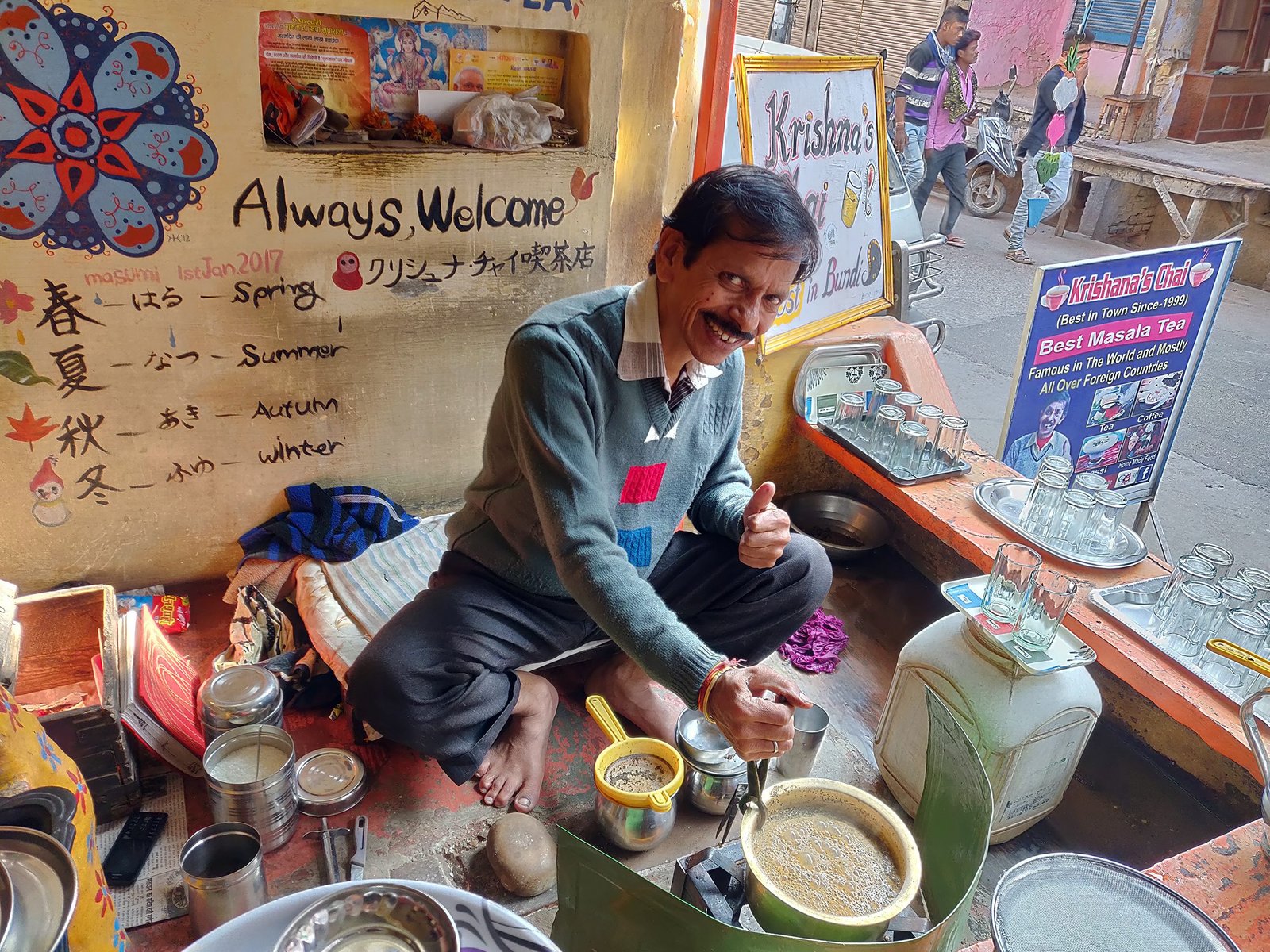
9. Bundi Market
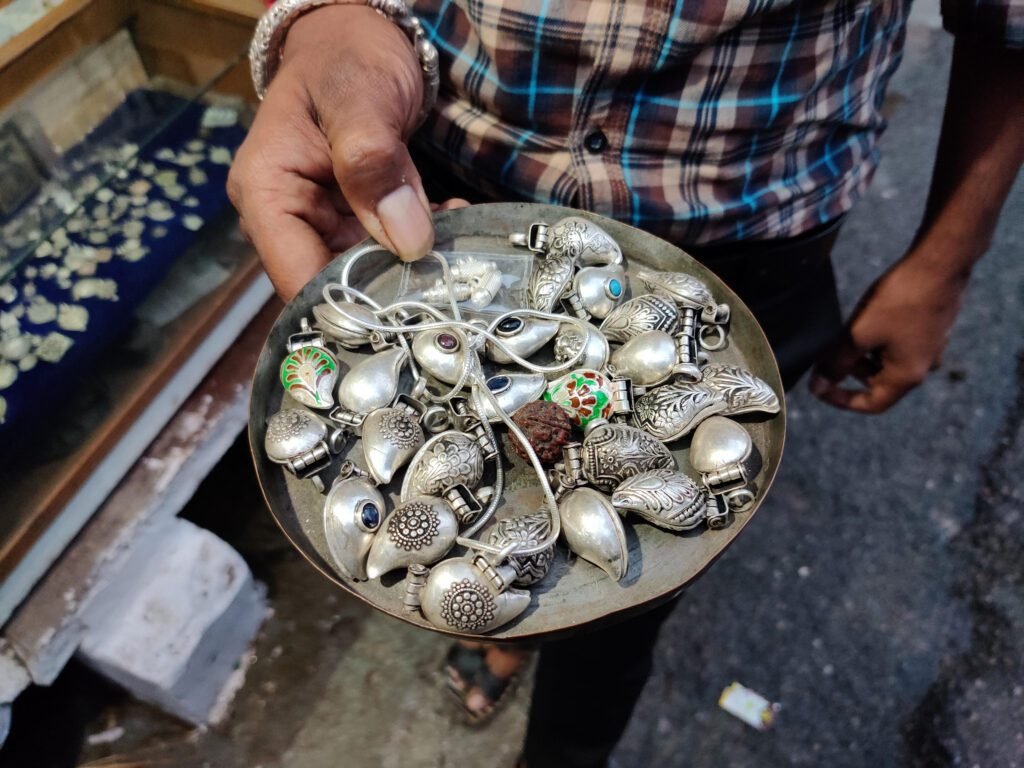
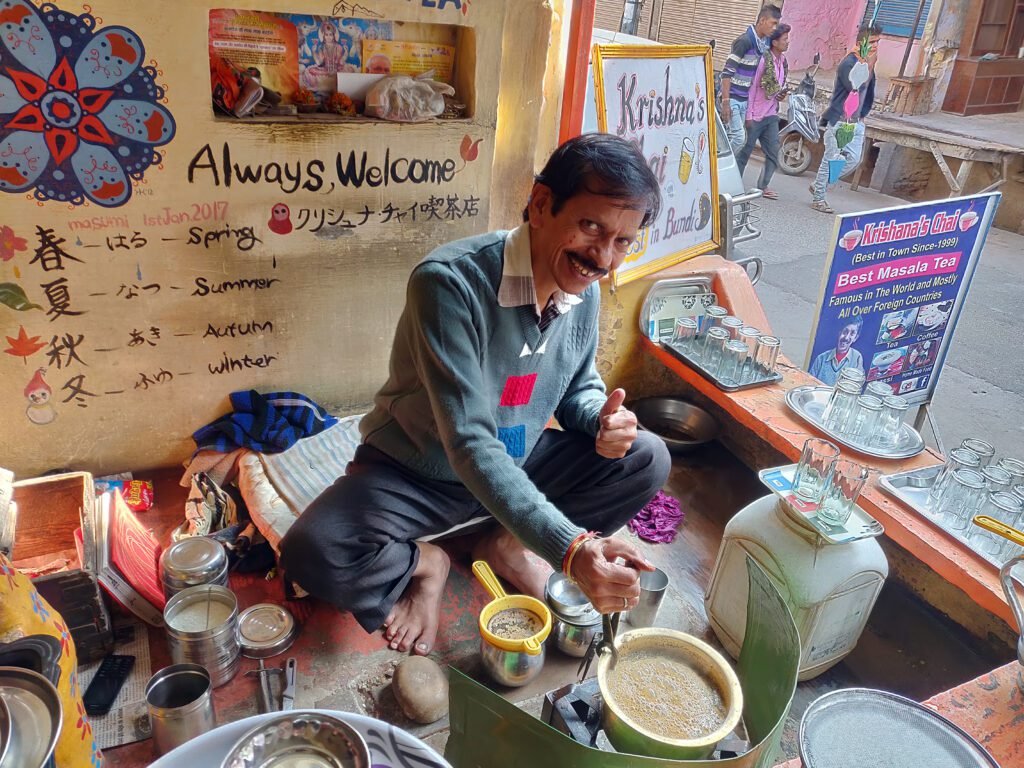
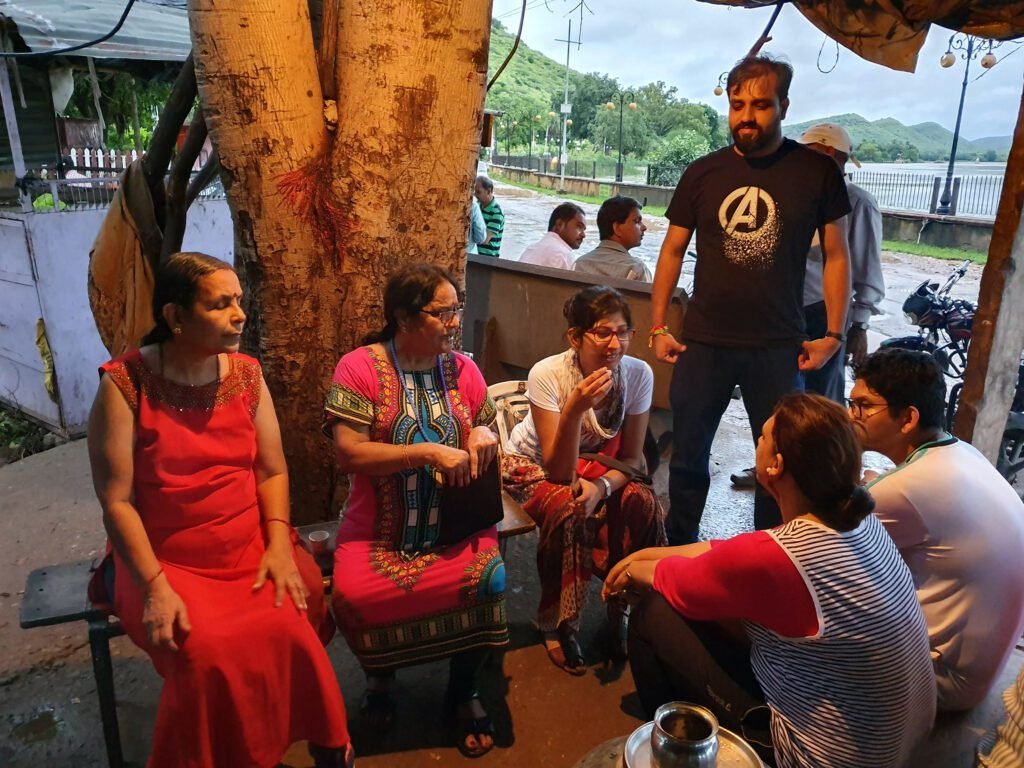
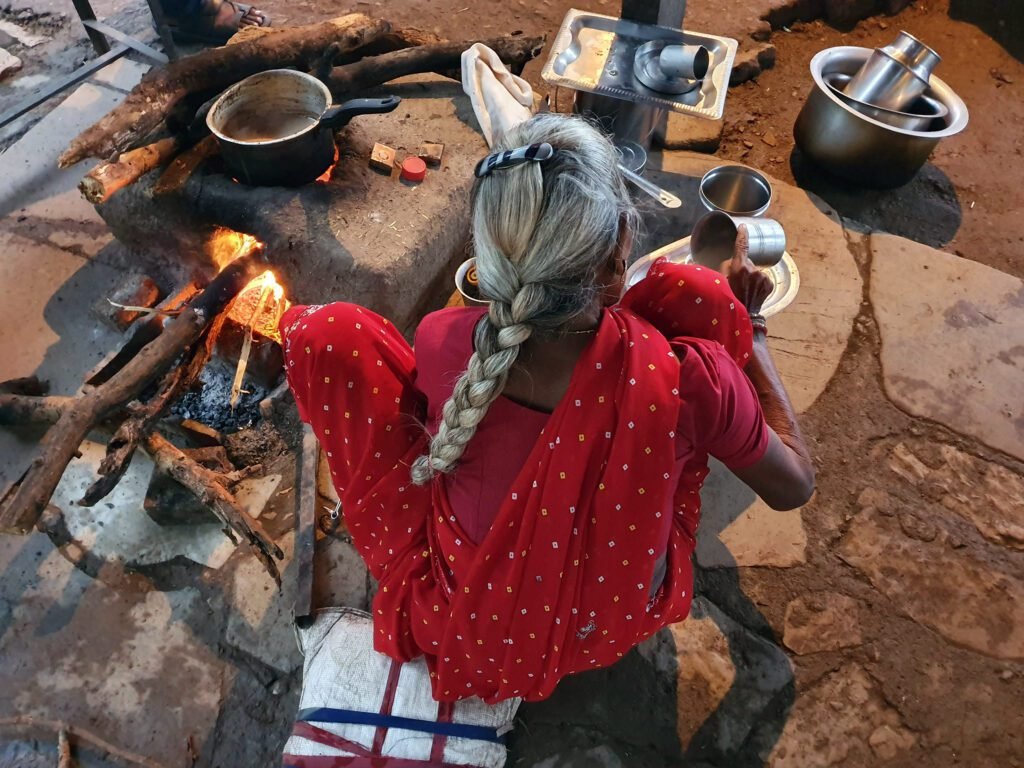
Imagine yourself walking through a beautifully chaotic market dotted with vintage-style small shops, street hawkers, streets so narrow that you can actually exchange smiles with shop-owners while strolling through the market! If you stay in Bundi for over a day, every shop owner will recognize you by face. A visit to Bundi market is incomplete without relishing a cup of tea made from freshly ground spices at Krishna Chai, buying some postcard miniature paintings, and getting some nail art done.
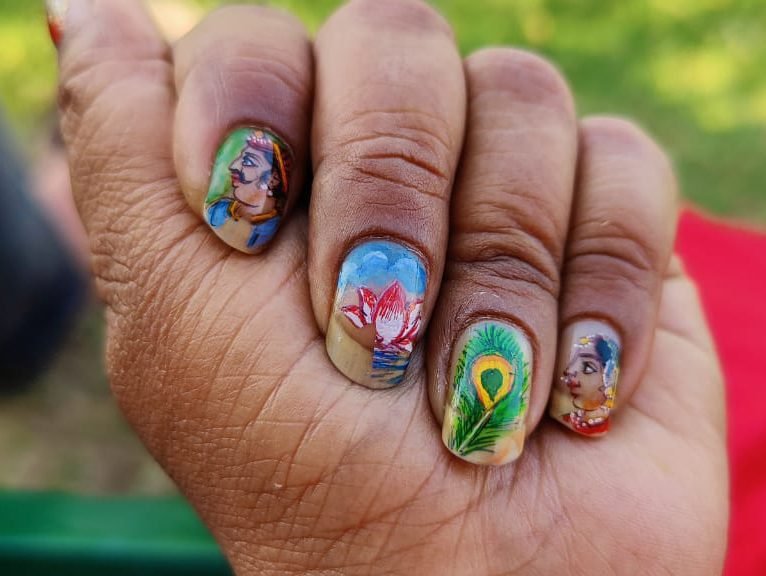
10. Bundi Nail Art & Miniature Paintings
As mentioned before, the miniature paintings of Bundi are some of the best in the world. However, in the modern world, it has become extremely tough to keep the art alive and hence local artists have developed a way to manifest those miniature paintings in the form of nail art or postcards. It also becomes a very interesting way for tourists to embrace this beautiful art.
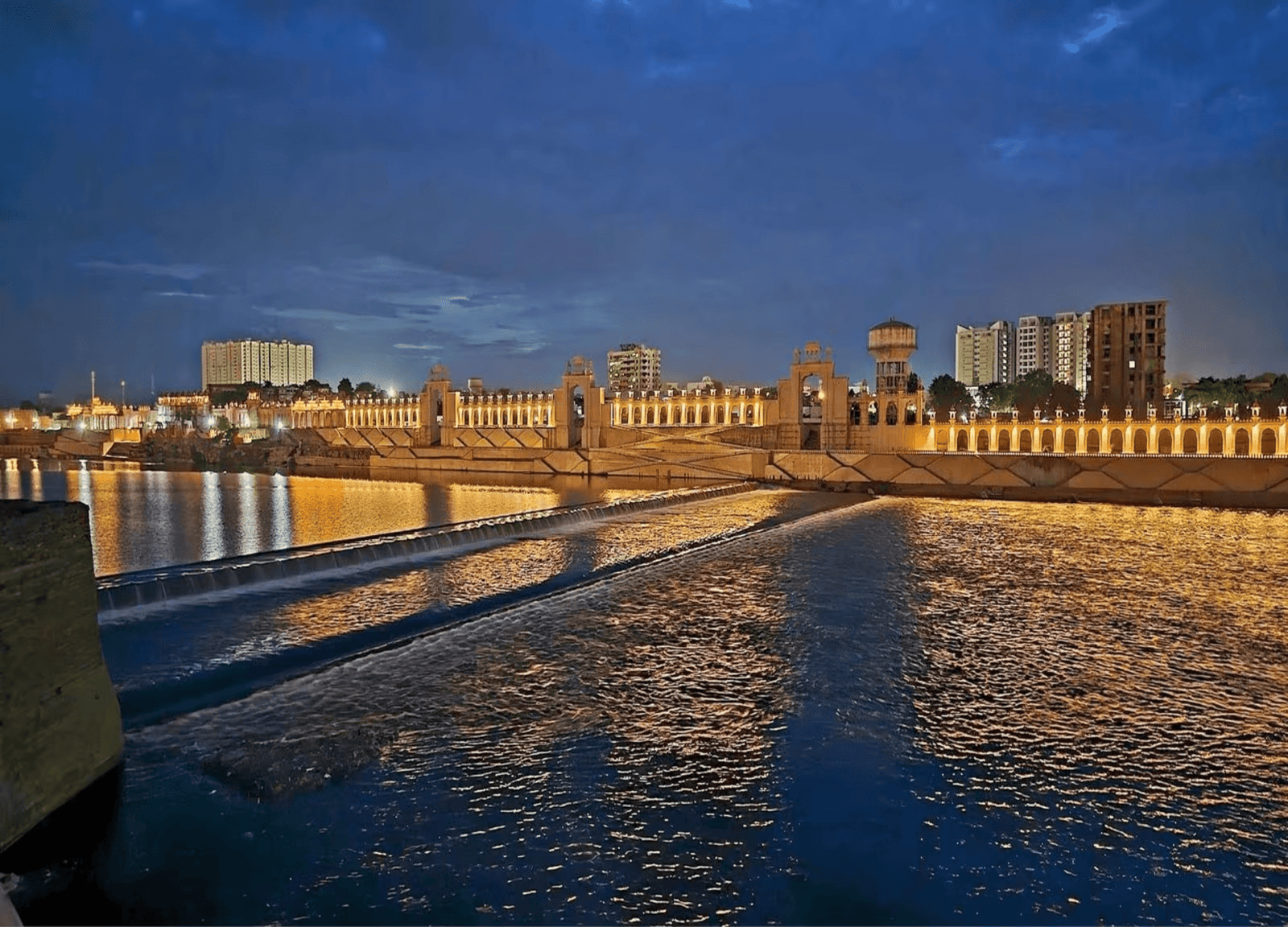
11. Kota River Front
Explore the world’s first heritage riverfront, a 150 million architectural marvel stretching 6km along the Chambal River. This grand destination features the world’s largest bell and a 42-meter high musical fountain, blending Rajasthan’s royal legacy with modern engineering.
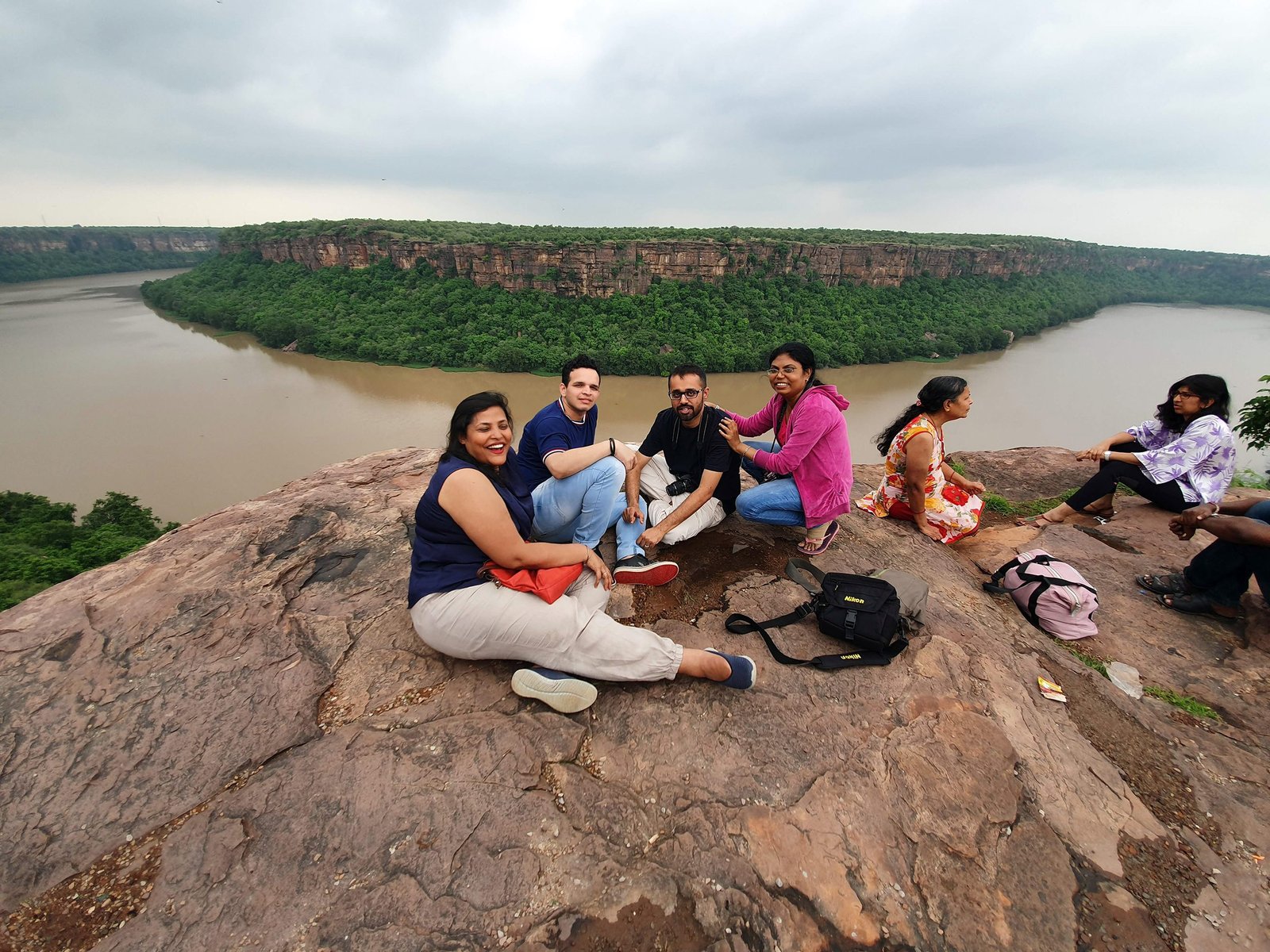
12. Garadia Mahadev Temple & Chambal Gorge
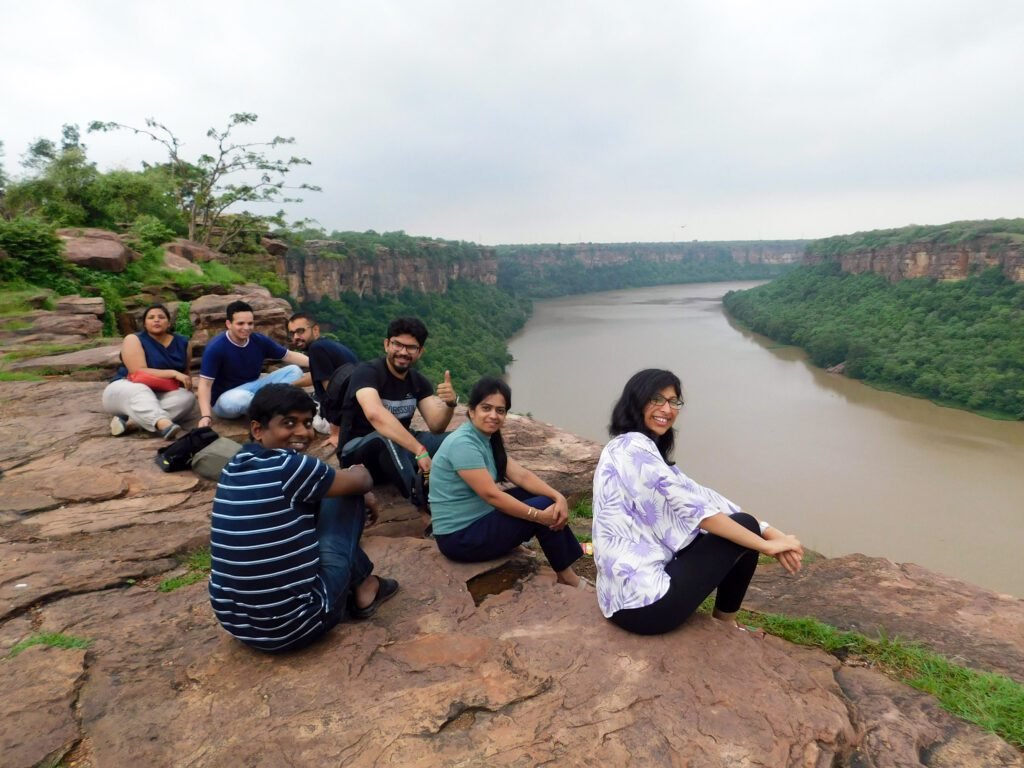
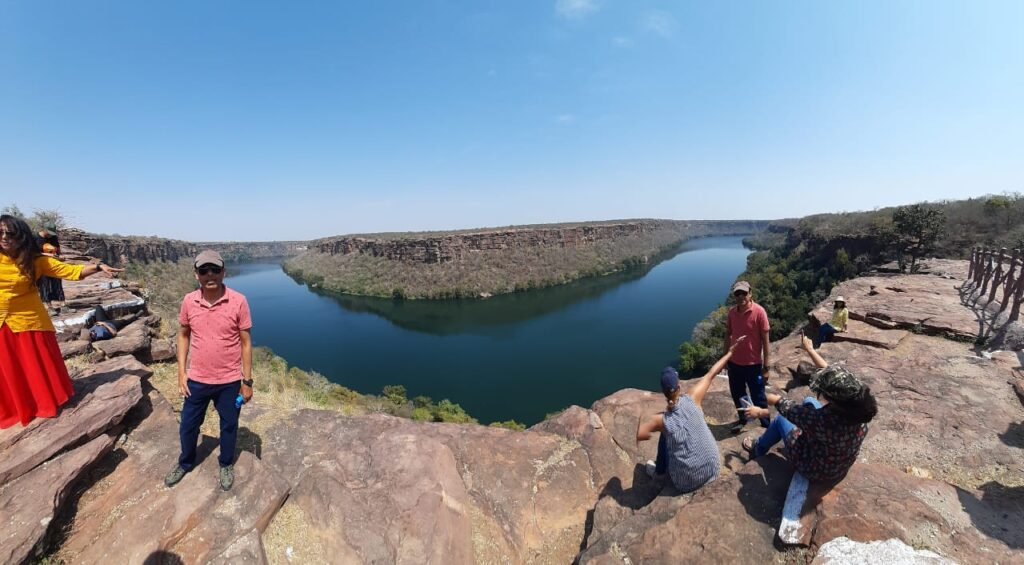
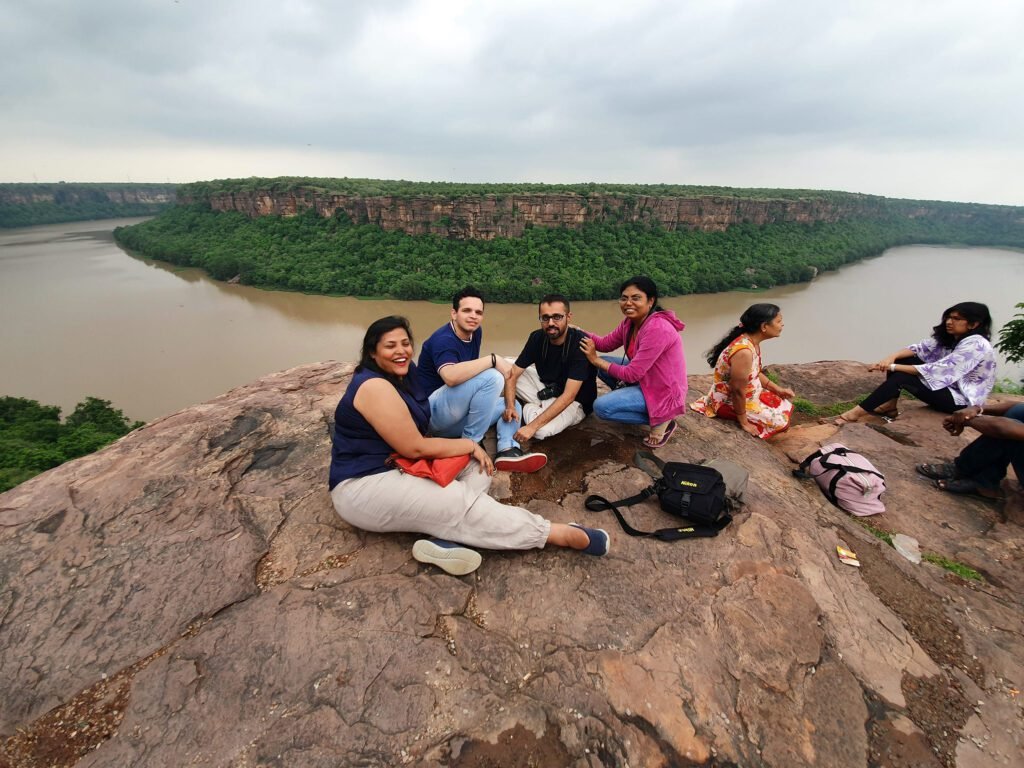
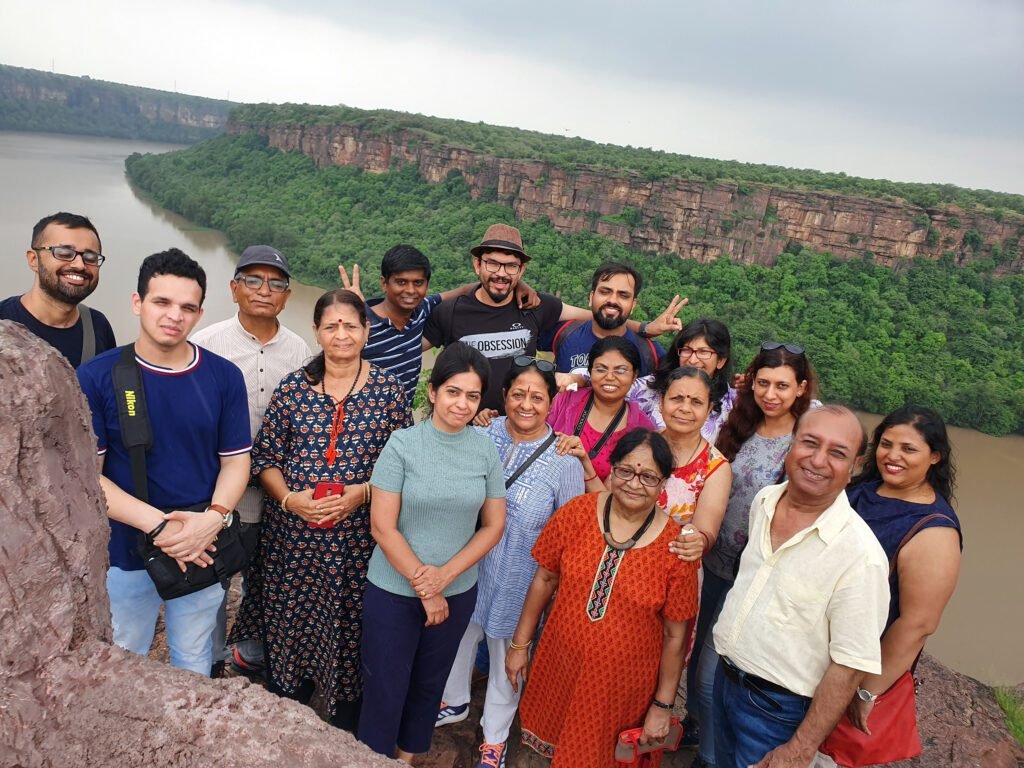
If there is a paradise around Kota, it’s this! Imagine two 500 feet high gigantic cliffs running parallel to each other, but separated by a river (Chambal), surrounded by a lot of greenery and frequently embraced by high tides of wind. On the top of one cliff, there is Garadia Mahadev Temple releasing the loud chants of Shiva in the air, making it even more captivating. It’s a perfect place to sit on the cliff overlooking the river, get some solitude, and catch some beautiful sights.
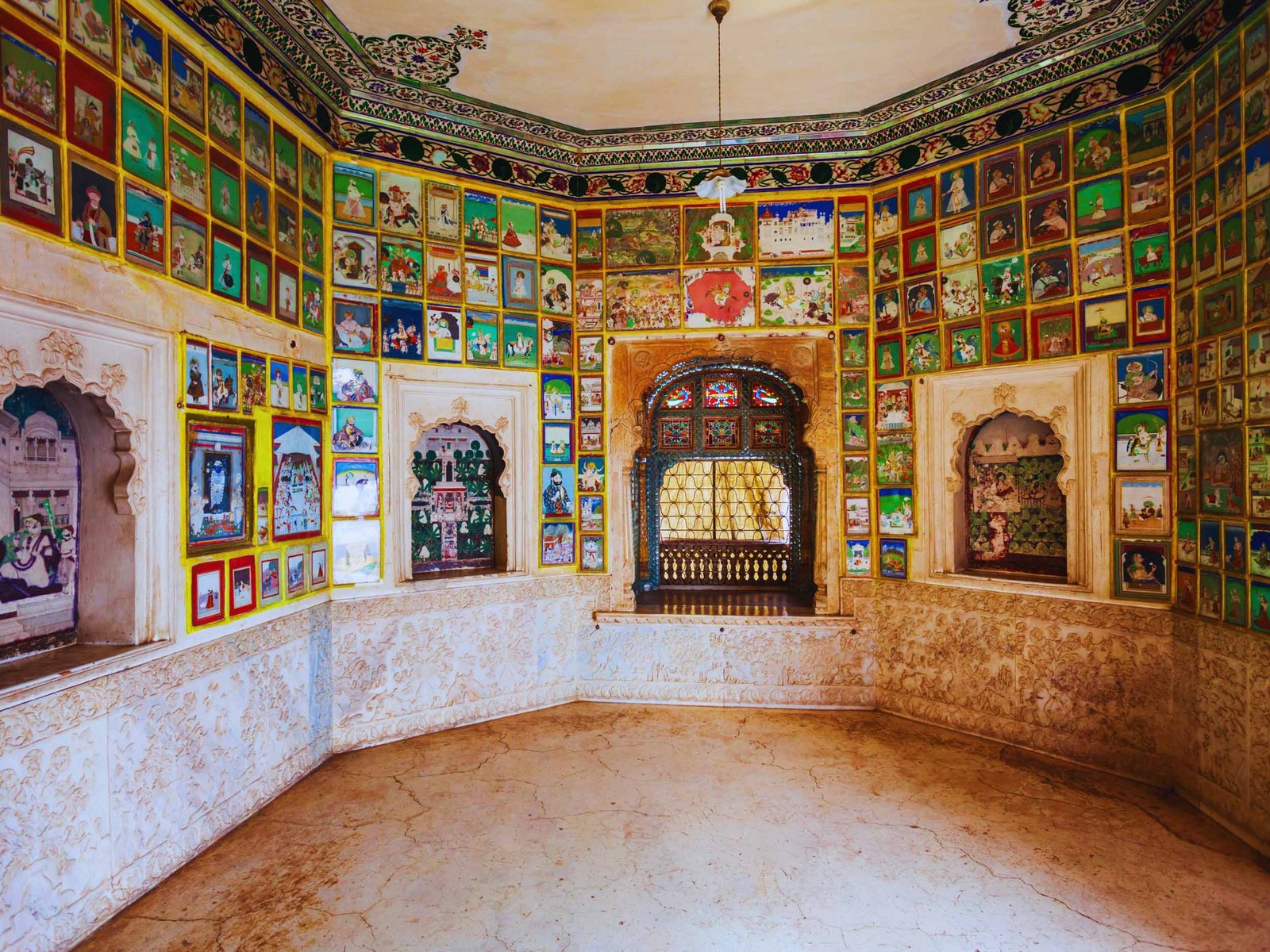
13. Kota Palace and Museum
A visit to Kota Palace & Museum gives us a sneak-peek into the glorious and prosperous past of Kota. Kota Palace, also known as City Palace, has wonderful murals, mirrors on walls & ceilings, illuminated lights and floral decorations. The marble floor and beautiful door entrances to the rooms enhances the beauty of the Palace. It would be tough to say when exactly Kota Palace was built, because different portions were constructed during different time periods. There is also a museum inside the city palace which exhibits a great collection of weapons, artifacts, handicrafts, and the costumes from the bygone era.

14. Unforgettable social experience
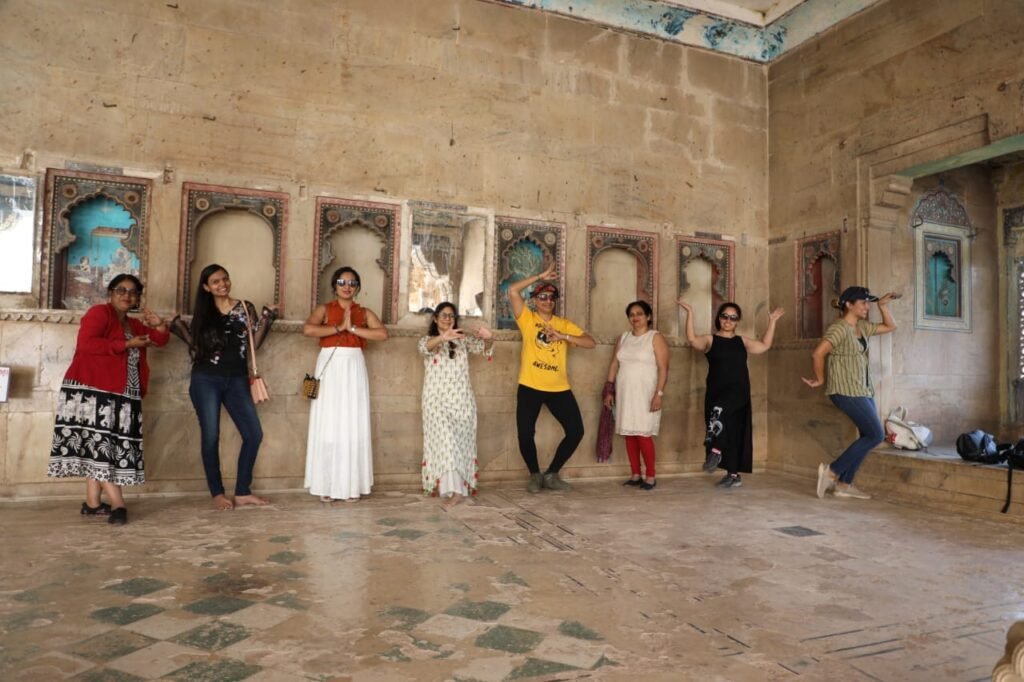
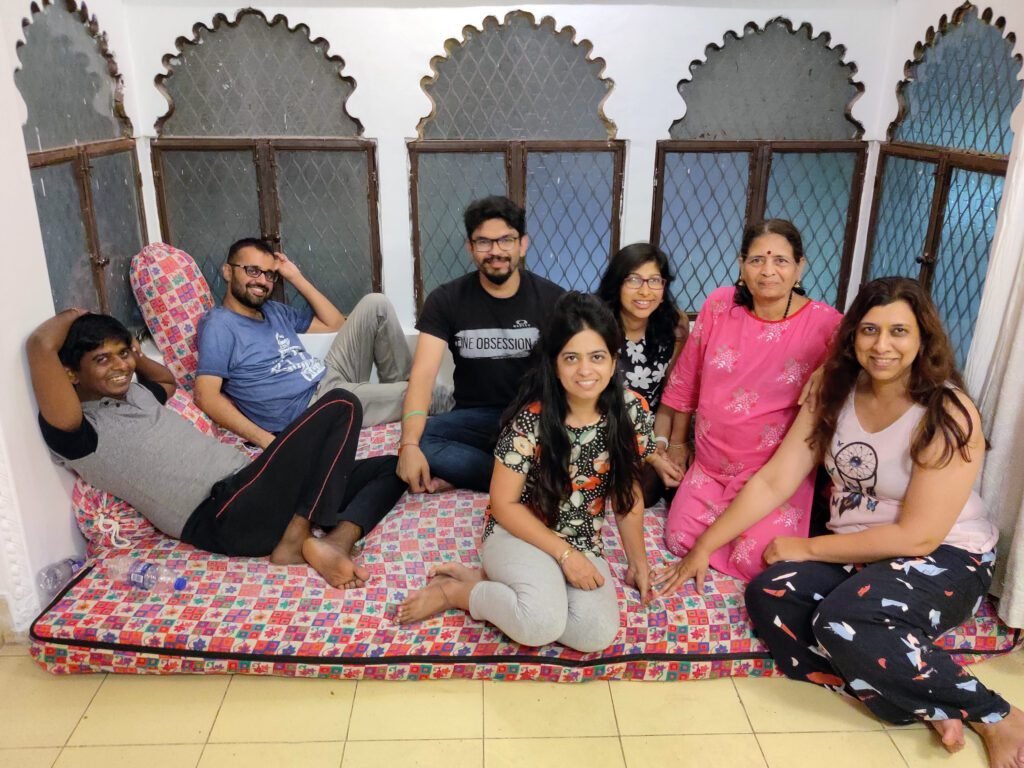
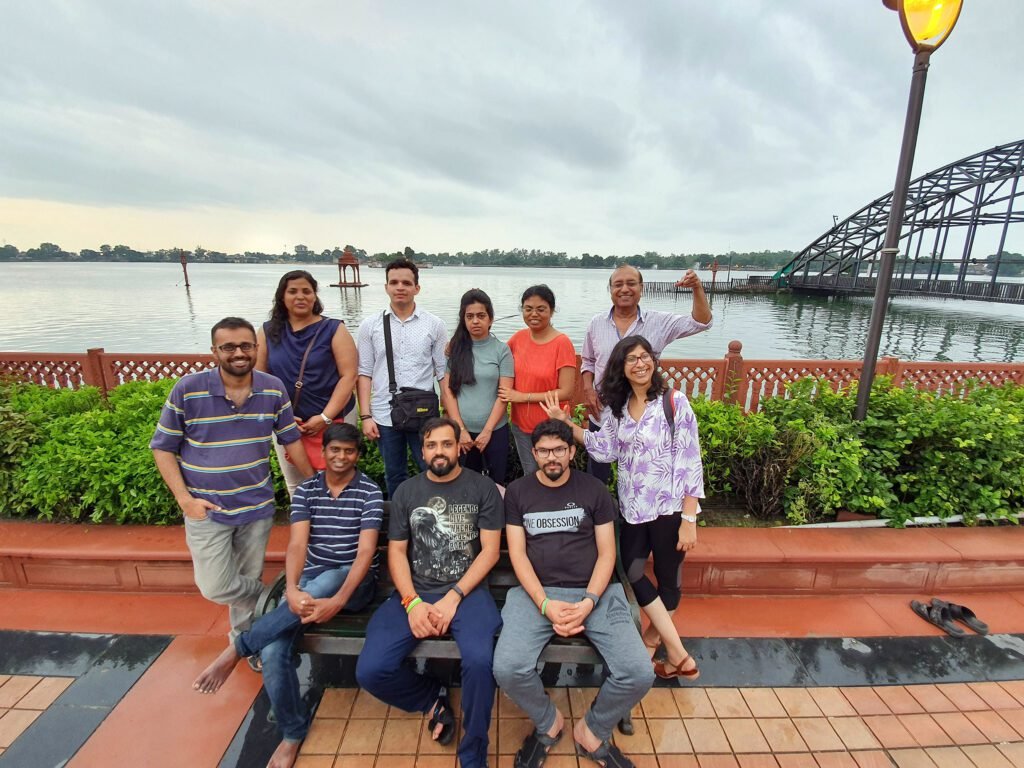
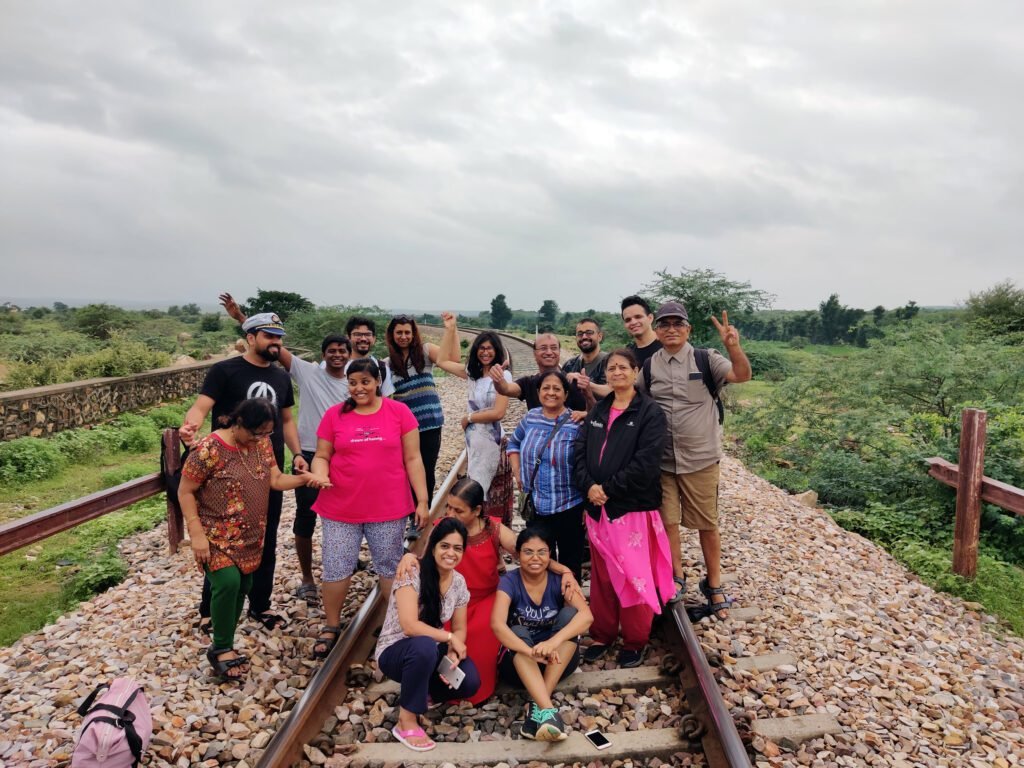
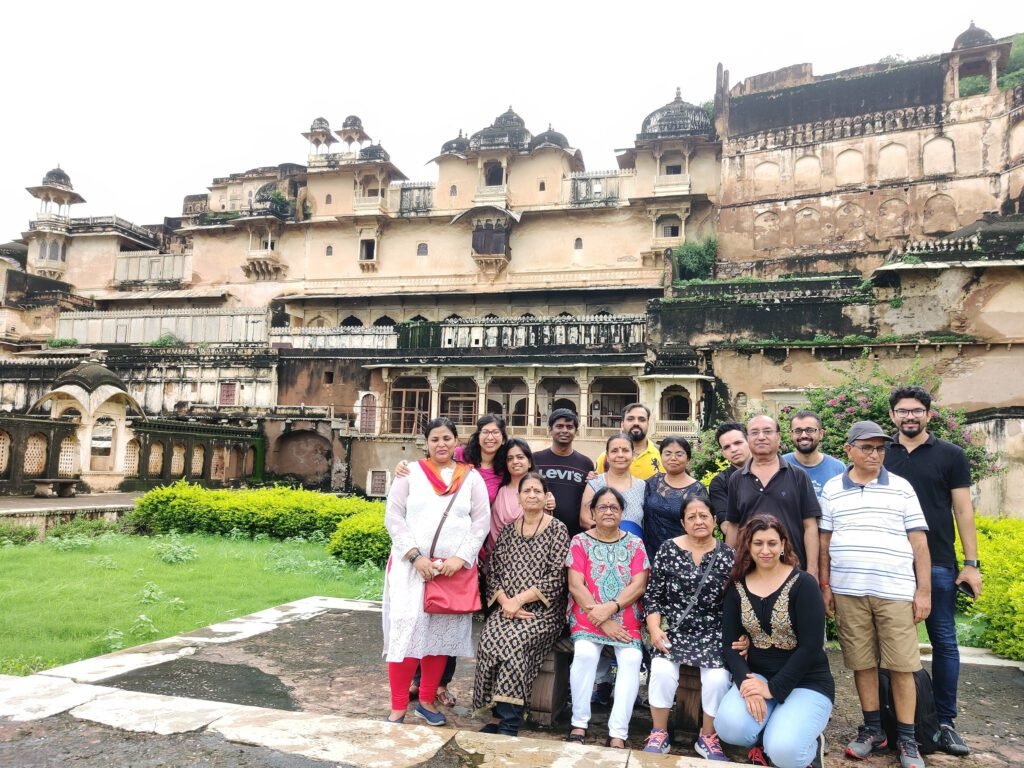
Our small group size ensure a personal touch, and our group leaders make sure to bond the entire group like long-lost friends. Hence, along with an amazing travel experience, you are in for a great of great social bonding.
Your Itinerary
Booking/ Query
To book this trip, please Call/ WhatsApp/ Email using the below-mentioned details.
If you have any questions or concerns, then please feel free to contact us using the below-mentioned details. Alternatively, fill this form and our team will get back to you at their earliest.
Call/ WhatsApp : +91 9999 74 9677
Email: chandni@transformingtravels.com
Photos