


1. Introduction – A Forgotten Sun Shrine in the Hills of Kumaon
Katarmal Sun Temple sits quietly on a forested ridge near Almora, mostly unnoticed by tourists who flock to Kumaon. It’s old. It’s architecturally impressive. Yet, if you ask most people traveling through the region, they have no idea it’s even there. That’s why you should check the Transforming Travels Almora & Kausani tour once before planning a tour to go there.
Locals call it the Katarmal Surya Temple, a nod to its dedication to the Sun God, Surya. Long ago, this place was just as important to the region as any bigger sun temple you might find in India, such as the Konark Sun Temple. But, tucked away like this, it simply slipped under the radar of mainstream history.
You need to take a small walk through the pine trees to access the temple, as it’s almost more of a “ruin” than a busy pilgrimage site. But that silence doesn’t mean it’s unimportant. If anything, it speaks to how changing trade routes, political shifts, and new travel patterns quietly erased Katarmal from people’s memories over the centuries.
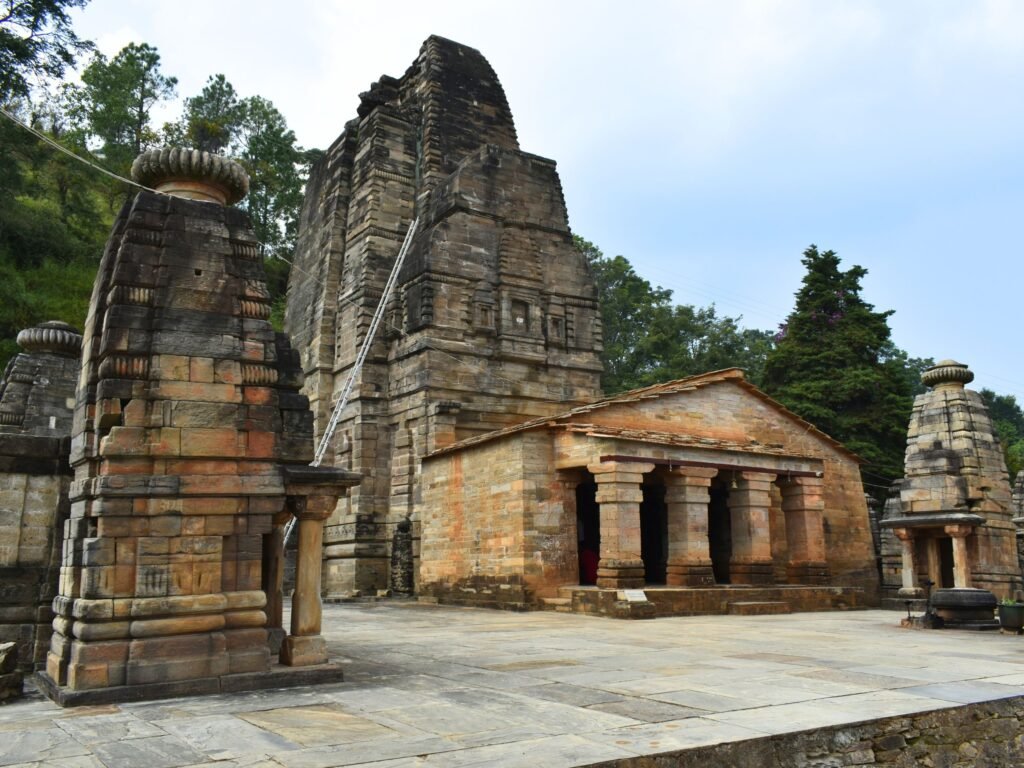
2. Where the Katarmal Sun Temple Is Located and Why Its Hilltop Setting Matters
The temple complex is about 17 kilometers from Almora, perched above a little village called Katarmal. You get there by winding up a narrow mountain road through thick forest in your car, then walking through a stone path.
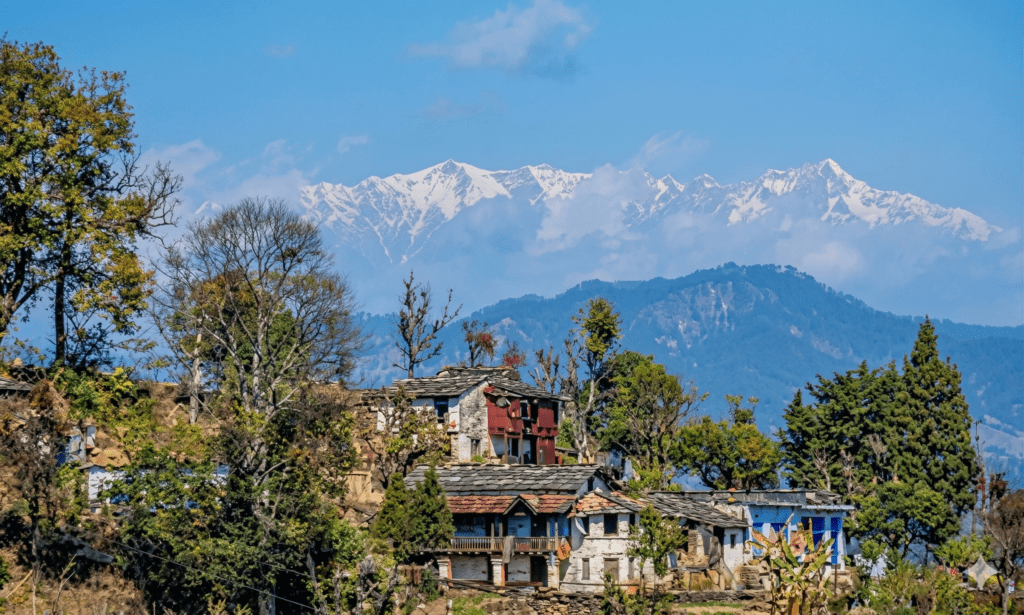
The first thing you notice is the view: The temple stands at almost 2,100 meters above sea level. It’s perched on a ridge that opens out to sweeping landscapes. Below, terraced fields carve patterns into the steep hillsides, while in the distance, the Himalayan peaks rise quietly against the sky. At sunrise, light pours across the ridges and hits the temple’s eastern walls, and it looks pretty stunning.
The ancient builders chose this spot for a few reasons:
- They wanted nothing to block the rays of the rising sun from falling directly on the temple.
- The elevated ridge kept the temple safe from flash floods.
- And the vantage point spot gave the temple a commanding presence, overlooking homes and farms in the valley below.
Spiritual Meaning of the Elevated Temple Site of the Katarmal Sun Temple
Mountains have always held a special place in Himalayan traditions; they were closer to the gods. So putting a sun temple up here wasn’t just about the view. It held a spiritual meaning.
The main sanctum faces east. During certain months, sunlight streams through the doorway, illuminating the inner shrine. That didn’t happen by accident; it took close attention to how the sun shifted through the year. The alignment shows just how advanced these early temple builders were in astronomy.
3. The History of Katarmal Sun Temple: Katyuri Kings and Royal Power
The roots of Katarmal lie in the Katyuri dynasty, which ruled much of Kumaon from the 7th to the 11th centuries. The Katyuris loved building temples; they used them to show their power, connect with people, and keep the gods on their side.
King Katarmalla is the name most closely tied to the temple. In fact, the temple and village are both named after him. During his reign, building impressive temples was a way for the kings to put their stamp on the land.
Back then, worshiping the sun wasn’t just religious; it was also political. Surya represented power and order, so kings liked the idea of connecting their reign with the Sun god’s authority.
What Happened to the Temple Over Time?
Back in the heyday of the Katyuris, the temple probably saw a steady stream of pilgrims and traveling merchants. But after the dynasty faded and new power centers emerged, things changed. Trade routes shifted, new valleys grew in importance, and fewer people made the trip up to Katarmal. The royal money dried up. The temple stopped getting regular upkeep, though locals still visited on occasion.
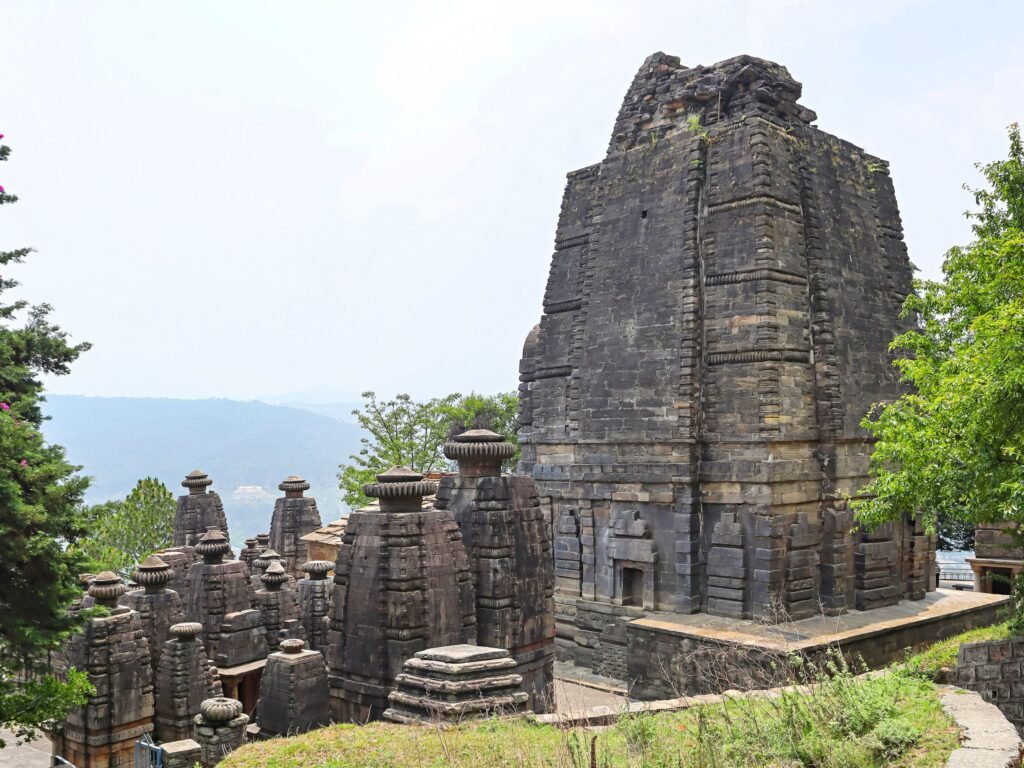
Key Historical Phases in Brief
9th century
- Construction of the main shrine and surrounding subsidiary temples began
10th–11th centuries
- The complex functioned as an important regional place of worship
Later centuries
- Reduced royal support led to a slow structural decline and fading prominence.
This pattern explains why the temple survived physically but slipped from wider historical awareness.
4. Architectural Features That Make the Katarmal Sun Temple Unique Among Indian Sun Temples
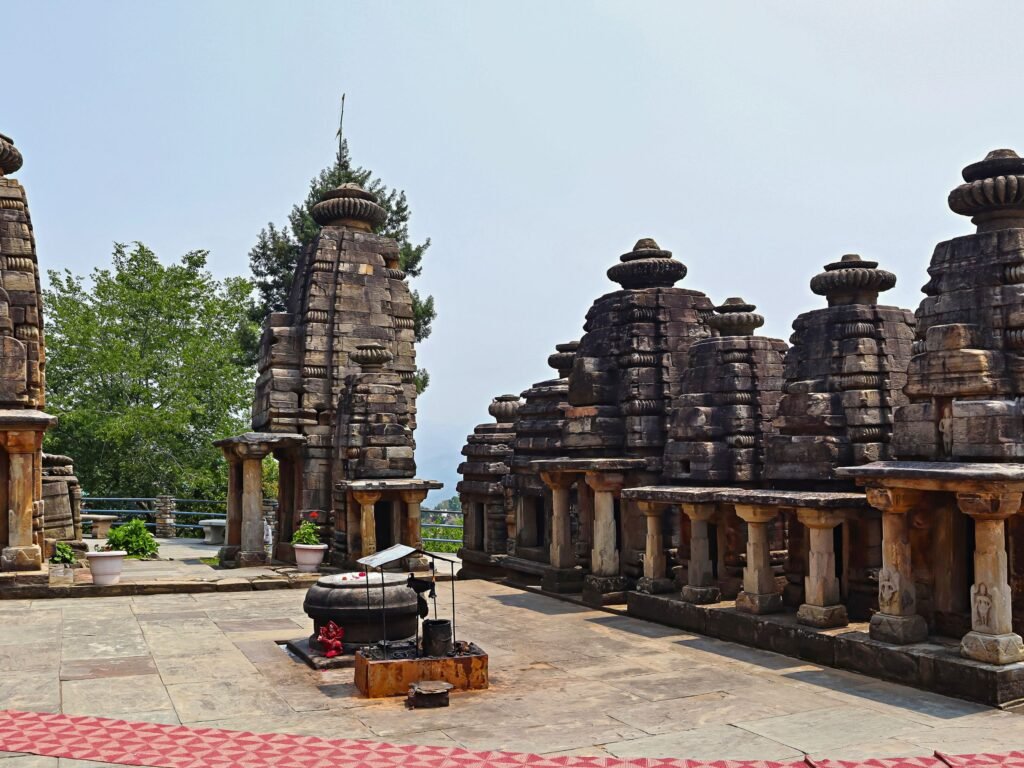
If you’re expecting something as grand as the famous sun temples on the Indian plains, Katarmal feels smaller at first glance. Look closer, though, and you’ll see real ingenuity, especially in how it fits into the rugged mountainside.
Most temples in India have a single main structure. Here, Katarmal is complex, with over 40 smaller shrines arranged around the main sanctuary. These additional shrines served a few purposes:
- Some enshrined other deities associated with God Surya.
- Some may have served as places for priests and ritual experts.
- Some helped pilgrims perform various rituals without leaving the complex.
In the end, the place feels like a hidden sacred precinct, with layers of meaning built into the layout.
Stone Construction and Himalayan Engineering
Most Himalayan temples relied on timber; wood bends and flexes during earthquakes. But Katarmal’s builders went for stone. They quarried big slabs from nearby slopes, then dragged them up those narrow paths and fitted them together with an impressive degree of accuracy, without using cement or metal clamps.
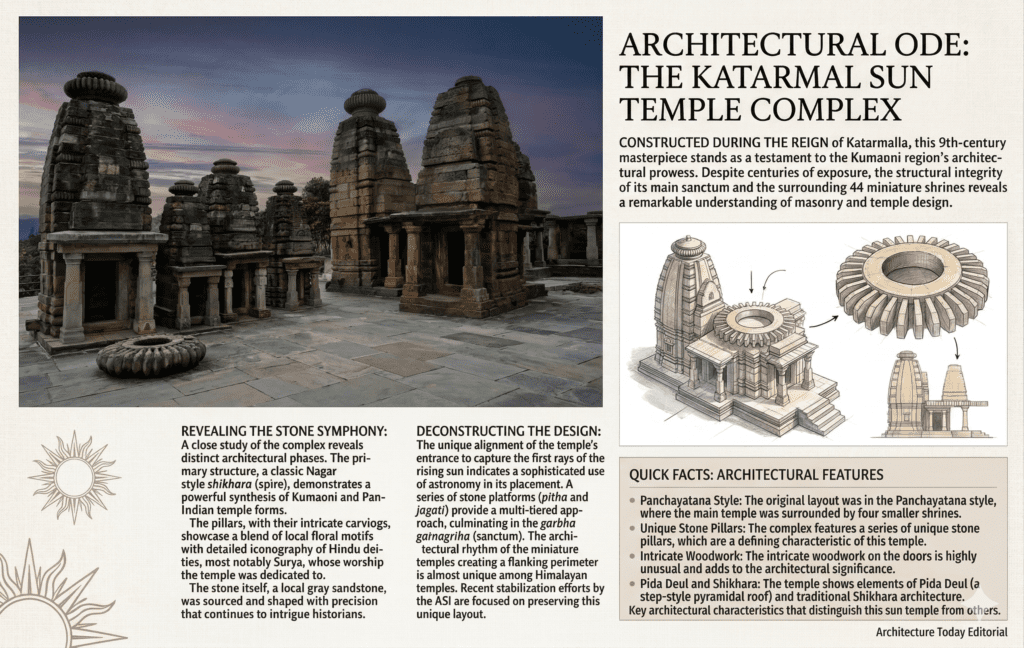
That’s why, even after all these centuries, so much of the Katarmal Temple structure is still standing. It’s a rugged, practical piece of Himalayan engineering that has weathered the test of time and the elements.
Comparison With Other Major Sun Temples in India
To understand its distinct character, it helps to compare Katarmal with other sun temples across India.
| Temple | Location | Century | Architectural Style | Scale |
| Katarmal Sun Temple | Uttarakhand | 9th | Kumaoni stone temple architecture | Medium |
| Konark Sun Temple | Odisha | 13th | Chariot-style Kalinga architecture | Massive |
| Modhera Sun Temple | Gujarat | 11th | Maru-Gurjara style with stepwell | Large |
The Konark Sun Temple really shows off imperial ambition; you can’t miss its massive chariot design. Meanwhile, at the Modhera Sun Temple, the spotlight’s on ceremonial water tanks and those striking pillared halls.
But the Katarmal Sun Temple feels different. It has a compact, sturdy look, built to last in the mountains. The focus wasn’t on size or grandeur, but on adapting to rough terrain and staying steady through harsh conditions.
5. Mythology and Cultural Significance – Why Surya Worship Thrived in the Mountains
Sun worship meant a lot to mountain people, more than just following a trend across India. Because up in high-altitude farms, sunlight was everything; it set the rhythm for growing crops during short summers and harsh winters.
Surya in Vedic Thought and Local Belief about Katarmal Sun Temple
In Vedic tradition, Surya symbolized the following:
- Life and energy
- The passage of time
- And protection against disease
These ideas blended naturally with local Himalayan beliefs, where the sun’s warmth directly influenced survival during long winters.
During sunrise visits to the Katarmal Sun Temple, small groups of villagers still perform quiet offerings. Moments like these often appear on the Transforming Travel Instagram page, where live heritage experiences are documented as they unfold.
Living Traditions Around the Temple
Even now, villagers make their way to the old temple during major solar festivals like Makar Sankranti and their local harvest rites. Early in the day, some still hike up to the ridge, carrying water or flowers as simple offerings to the rising sun.
The temple lost its royal backers long ago, but it never faded from local life. These quieter, everyday rituals have kept the place alive, echoing through the generations, even as the temple itself has weathered and crumbled. Sometimes, it’s these small acts that hold the traditions together, long after the grand ceremonies and splendid architecture have faded.
6. The Present Condition of Katarmal Sun Temple: Preservation, Lost Idols, and Archaeological Importance
It’s pretty clear that age and neglect have left their mark on the Katarmal Sun Temple. The main stone structures still stand, but you’ll spot cracked walls, loose stones, and carvings worn down by decades of weather. Several smaller shrines look battered around the edges.
Archaeological Survey’s Role in Protecting the Temple
Today, the Archaeological Survey of India is responsible for the site. Their designation helps keep the temple safe from further damage and prevents any random construction nearby.
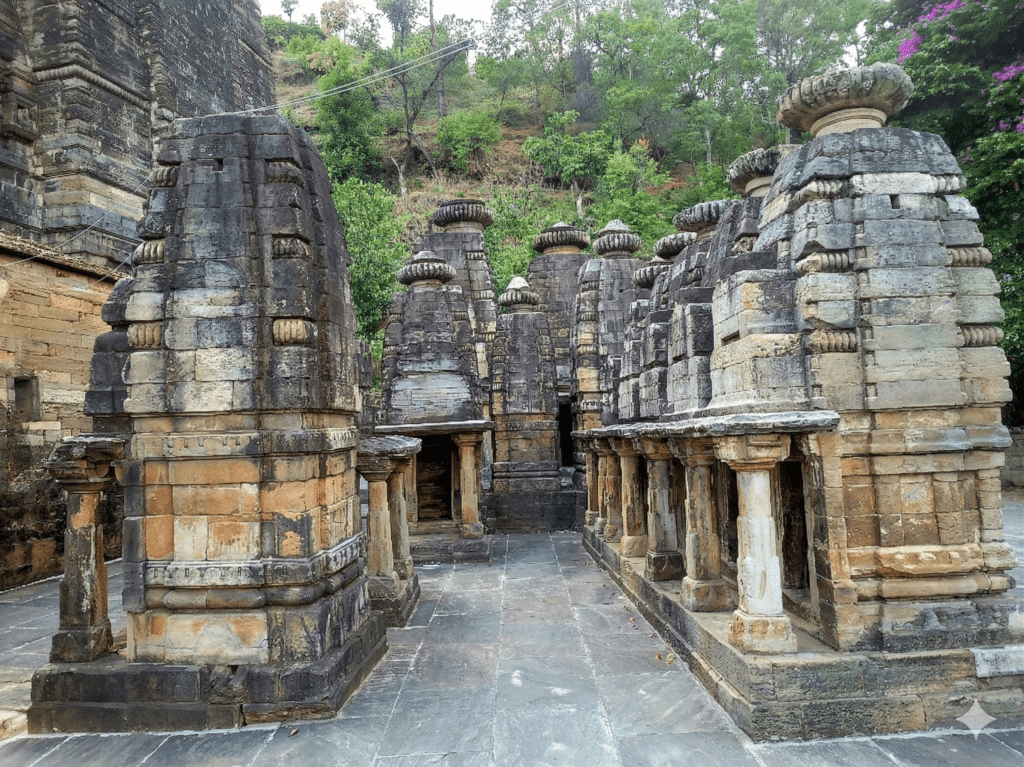
Conservation teams have carried out the following:
- Basic structural reinforcement
- Vegetation removal from temple walls
- And limited restoration of fallen stone blocks
However, the temple still lacks the intensive restoration seen at larger monuments.
The Removal of the Original Sun Idol
Here’s something most people don’t know: the original idol of Surya, the Sun God, isn’t here anymore. Over time, the main idol disappeared from the sanctum. Maybe it was lost, removed, or damaged. Today, the temple stands without its original deity, adding to the quiet sense of absence that surrounds the site.
Because of this, the inner sanctum feels empty, a surprise for first-time visitors. But honestly, it’s a sign of how tough it is to protect heritage sites way out in the hills.
7. Visiting Katarmal Sun Temple – Route, Trek, and the Best Time to Go
This temple doesn’t make it easy for casual visitors. Unlike spots right off a highway, you need to put in a little effort to reach it, but that’s what keeps it so peaceful.
How to Reach Katarmal Sun Temple from Almora
Katarmal is about 17 kilometers from Almora. You can hire a taxi or self-drive to Katarmal village. First, park your vehicle, then trek along a stone path for 20–30 minutes. But now your vehicle can go a little closer, and from there you don’t need to trek. Although you need to walk almost 1 km along a stone path to reach the temple.
Best Season for Clear Views and Comfortable Weather
Although the temple remains accessible throughout the year, certain seasons offer a better experience:
- October to March provides crisp skies and distant mountain visibility
- April to June offers pleasant temperatures but occasional haze
- July to September brings heavy monsoon rains and slippery trails
You can also join our group tour to Almora & Kausani to visit Katarmal Sun Temple comfortably. For more tours, you can check the Transforming Travel Tour Calendar.
8. Katarmal Sun Temple Timings, Entry Fee, and Visitor Information
Visiting Hours of Katarmal Sun Temple
Katarmal Sun Temple is generally open from sunrise to sunset (approximately 6:00 AM to 6:00 PM). Since it is an open archaeological site, there are no strict gate-controlled timings, but it’s best to visit during daylight hours.
On Which Days is Katarmal Sun Temple Open?
The temple is open all days of the week, including weekends and public holidays. There are no specific closing days.
Entry Fee for Katarmal Sun Temple
Katarmal Sun Temple usually has a minimal or no entry fee, as it is maintained by the Archaeological Survey of India. In some cases, a small fee may be charged for maintenance, but it is very nominal.
How Much Time Should You Spend at Katarmal Sun Temple?
Most visitors spend around 1 to 2 hours at Katarmal Sun Temple. This gives you enough time to:
- Explore the main shrine and surrounding smaller temples
- Walk around the complex
- Enjoy panoramic Himalayan views
- Experience the peaceful atmosphere
If you visit during sunrise or enjoy photography, you might want to spend a bit longer.
9. What the Temple Feels Like in Person – Silence, Wind, and Expansive Himalayan Views
Photos don’t really do justice to Katarmal’s ambiance. When you step into the stone courtyard, all you hear is wind in the trees; it’s almost eerie.
A Rare Absence of Pilgrimage Crowds
Unlike famous pilgrimage spots with lines and loudspeakers, this place is often almost deserted. During our last visit, only a handful of locals quietly showed up, offered prayers, and left.
This calm environment allows visitors to notice details often missed elsewhere, such as:
- chisel marks on weathered stones
- uneven temple platforms shaped by the slope
- and small shrines tucked behind the main structure
Panoramic Views That Reinforce the Temple’s Purpose
Wander to the edge of the complex, and suddenly it’s just you, the ridges, and valleys stretching into the distance. If you catch sunrise, the light first hits the temple walls and then spills onto the village below.
The Katarmal Sun Temple makes you feel that it wasn’t built just to worship the sun, but that the purpose was also to study, follow, and understand the Sun. The entire temple seems to be in sync with the rhythm of light, almost as if the builders designed it to track light in real time.
10. Why the Katarmal Sun Temple Remains Lesser Known Despite Its Historical Importance
You’d think a place so old and architecturally rich would be very famous, but it’s actually not the case. There are a few reasons.
Geographic Isolation and Limited Infrastructure
Unlike temples built for big crowds right off main roads, Katarmal takes a detour. Public transport is rare, and you still have to walk a bit.
Because of that, most Almora tours focus on easy-to-reach temples and viewpoints.
Overshadowed by Larger Sun Temples in India
If you search for sun temples, Konark always pops up first as it is big, dramatic, UNESCO-listed, and filled with stories. Modhera also gets a lot of buzz, thanks to its festivals and restoration work.
In comparison, the Katarmal Sun Temple remains the following:
- Smaller in scale
- Located in a quieter region
- Less featured in national tourism campaigns
Limited Digital and On-Ground Promotion
There’s just not much good information about Katarmal online. Some travel sites mention it but barely explain it in depth, and often include outdated details. So most travelers only hear about it after landing in Almora and chatting with locals or guides.
But if you add Katarmal to an Almora trip, alongside viewpoints and heritage walks, the whole experience gets way richer. Travelers exploring Almora often focus only on viewpoints and popular temples. However, including lesser-known sites like Katarmal creates a deeper experience, similar to how offbeat locations enrich itineraries in places like Bhutan.
Top 15 Things to Do in Bhutan – The Land of Happiness
11. Frequently Asked Questions About Katarmal Sun Temple
Q1. What is Katarmal Sun Temple famous for?
Katarmal Sun Temple is famous for being one of the oldest Sun temples in India, built in the 9th century. It is known for its hilltop location, stone architecture, and alignment with the rising sun dedicated to Surya.
Q2. Where is Katarmal Sun Temple located?
Katarmal Sun Temple is located near Katarmal village, about 17 km from Almora in Uttarakhand. It sits at an elevation of around 2,100 meters in the Kumaon region.
Q3. What is the distance from Almora to Katarmal Sun Temple?
The distance from Almora to Katarmal Sun Temple is approximately 17 kilometers by road, followed by a short 1 km walk to reach the temple complex.
Q4. How to reach Katarmal Sun Temple from Almora?
You can hire a taxi or drive from Almora to Katarmal village. From there, a stone-paved path of about 1 km leads to the temple, making it an easy walk.
Q5. What is the best time to visit Katarmal Sun Temple?
The best time to visit Katarmal Sun Temple is from October to March for clear Himalayan views. Summer is also pleasant, while monsoon should be avoided due to slippery trails.
Q6. Who built Katarmal Sun Temple?
Katarmal Sun Temple was built by the Katyuri king Katarmalla in the 9th century, showcasing the architectural and cultural importance of the Katyuri dynasty.
Q7. Is there a trek to reach Katarmal Sun Temple?
Yes, reaching Katarmal Sun Temple involves a short and easy walk of about 1 km from the nearest motorable point, making it suitable for most visitors.
Q8. Is Katarmal Sun Temple worth visiting?
Yes, Katarmal Sun Temple is worth visiting for its historical significance, peaceful atmosphere, and panoramic Himalayan views, especially for travelers looking for offbeat destinations near Almora.
12. Conclusion: Why Katarmal Sun Temple Deserves a Place on Every Almora Itinerary
Katarmal Sun Temple isn’t just a lonely old building. It’s a relic of Katyuri dynastic ambition, scientific understanding of the sun, and the rituals of mountain communities.
Unlike crowded shrines, this place lets you soak up silence, scenery, and architecture without distraction. Its compact, layered design shows how Himalayan builders adapted classical ideas to tough terrain.
If you care about history, archaeology, or lesser-known gems, Katarmal gives you something real. Stand inside at sunrise, and you’ll understand why ancient builders chose exactly this spot.
And honestly, exploring places like this shifts your attention away from the big headlines. monuments and towards a broader, deeper sense of India’s regional history.
Preserving Katarmal isn’t enough; it deserves to be seen, experienced, and remembered by anyone headed for Kumaon and Almora. You can also explore this temple by joining our Almora & Kausani group tour or by writing to us for a customized travel package.

