


St. Petersburg: The Complete Travel Guide to Russia’s Cultural Capital
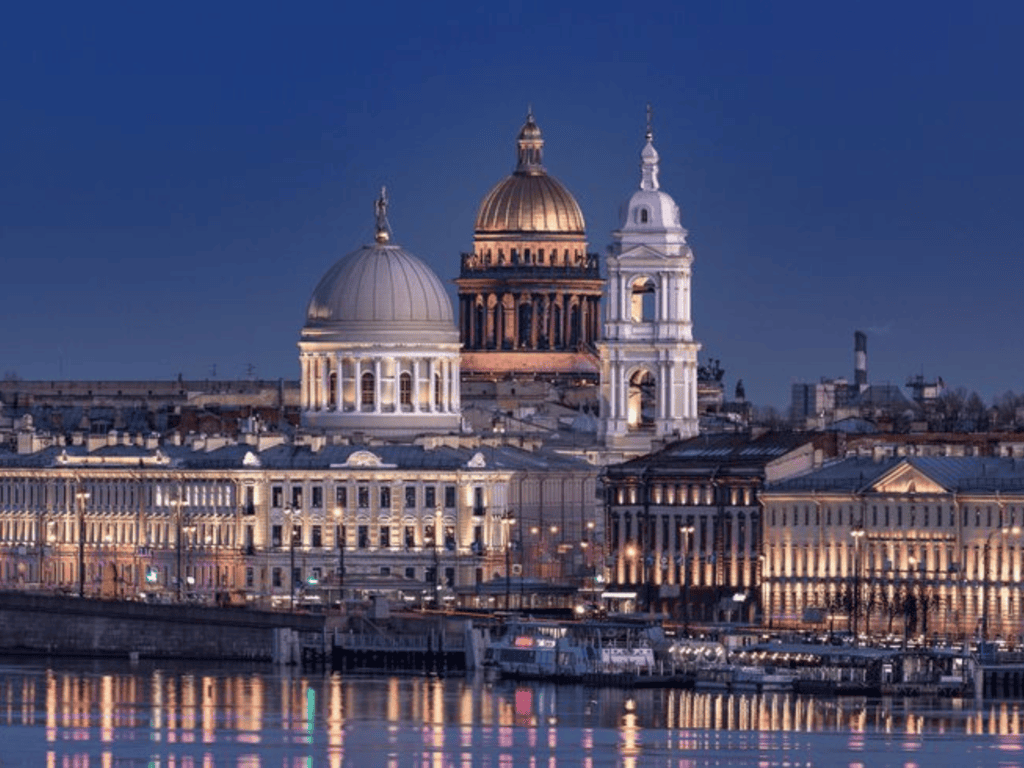
St. Petersburg is Russia’s cultural capital and also one of the world’s most fascinating historic cities. Peter the Great founded the city in 1703, and over time, it grew around the Neva River and the Baltic Sea. As a result, its position allowed Peter the Great to establish a new Russian maritime gateway to Europe.
St. Petersburg, with its canals and waterways, elegant bridges, and historic embankments, is often called the “Venice of the North.” Its monumental design further reinforces this nickname. Visitors to St. Petersburg’s Old Town can instead discover pastel-colored palaces, gilded churches, impressive museums, and Baroque architecture.
The city was known as Petrograd from 1914 to 1924 and later as Leningrad from 1924 to 1991. These names reflect different periods in the city’s long and complex history. Today, St. Petersburg remains an imperial city filled with museums, theaters, restaurants, nightlife, river cruises, and seasonal festivities.
If you want to experience Russia beyond St. Petersburg, explore Russia Under the Northern Lights for a memorable journey through the country’s northern landscapes.
Quick Facts About St. Petersburg
| Feature | Details |
| Country | Russia |
| Founded | 1703 |
| Founder | Peter the Great |
| Former Names | Petrograd, Leningrad |
| River | Neva River |
| Famous For | Hermitage Museum, Imperial Palaces, Canals |
| Main Airport | Pulkovo Airport (LED) |
| Best Time to Visit | May–September |
1. The History of St. Petersburg: From Petrograd to Leningrad
St. Petersburg was founded by Peter the Great in 1703 as a strategic city on the Baltic coast. He envisioned a modern European-style city that would strengthen Russia’s connections with Europe.
Despite the area’s marshy landscape and waterways, the city developed rapidly. It later became the capital of the Russian Empire and remained an important center of Russian politics, culture, and imperial life for more than two centuries.
Petrograd: Meaning and Historical Significance
In 1914, the city was renamed Petrograd, meaning “Peter’s City.” The change replaced the German-sounding “-burg” with the Slavic “-grad” during World War I.
The Leningrad Era
In 1924, the city became Leningrad following the death of Vladimir Lenin. It remained Leningrad throughout the Soviet period and became famous for its resilience during the 872-day Siege of Leningrad in World War II.
In 1991, a public referendum restored the historic name St. Petersburg.
Timeline of St. Petersburg’s Name Changes
| Year | Event |
| 1703 | St. Petersburg was founded by Peter the Great |
| 1914 | Renamed Petrograd |
| 1924 | Renamed Leningrad |
| 1991 | Name restored to St. Petersburg |
St. Petersburg, Russia vs St. Petersburg, Florida
Travelers searching for St. Petersburg may sometimes encounter information about the similarly named city in Florida. The two destinations are completely different.
| Feature | St. Petersburg, Russia | St. Petersburg, Florida |
| Country | Russia | United States |
| Founded | 1703 | 1888 |
| Famous For | Palaces, museums, canals, and imperial history | Beaches, waterfront, and warm weather |
| Climate | Cool continental | Subtropical |
| Major Attraction | State Hermitage Museum | Gulf Coast beaches |
| Main Travel Experience | Culture, history, architecture, and art | Beaches and outdoor activities |
2. Top Attractions You Cannot Miss in St. Petersburg
St. Petersburg is a city with an amazing number of historical places. In the city center, numerous sightseeing spots are close together, and walking is a pleasant way to explore the city.
The State Hermitage Museum
The State Hermitage Museum, housed in the magnificent Winter Palace, is one of the most famous attractions in St. Petersburg. Its collections cover ancient civilizations, European art, Russian history, decorative arts, and imperial treasures.
The Winter Palace itself is also worth exploring for its grand halls, gilded interiors, and elaborate architecture. Plan several hours if you want to explore the museum comfortably.
Admiralty St. Petersburg
Admiralty St. Petersburg is a landmark of the city’s historic center and an important symbol of Russia’s naval heritage. Its golden spire and ship-shaped weather vane make it easy to recognize.
Located near the Neva River, the Admiralty is also close to attractions such as Palace Square, the Winter Palace, and St. Isaac’s Cathedral.
Palace Square
Palace Square is one of the city’s most impressive urban areas. The huge square is closely related to the Winter Palace and the history of imperial Russia.
The Alexander Column stands in the center. The surrounding buildings provide an interesting backdrop for photos, particularly from various vantage points around the square.
Church of the Savior on Spilled Blood
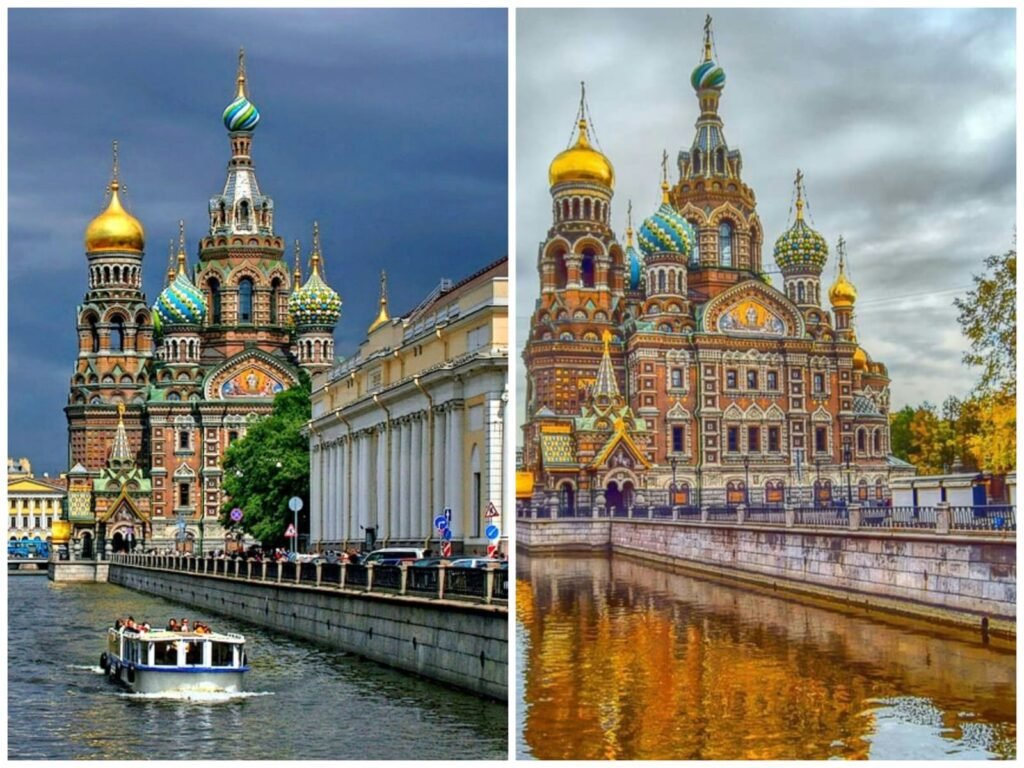
The Church of the Savior on Spilled Blood features colorful onion domes and elaborate mosaics. With its vibrant domes, intricate details, and striking architecture, the church looks almost as if it has come straight out of a fairytale movie.
It is filled with religious art that decorates the interior, particularly the walls and ceiling. It’s one of the most photographed buildings in St. Petersburg thanks to its unique design.

St. Isaac’s Cathedral
St. Isaac’s Cathedral is one of the city’s most iconic religious structures. Its huge dome dominates the skyline in the central district.
Its grand interiors are a feature of its beauty, and the colonnade (when accessible) offers a bird’s-eye view over St. Petersburg.
Peter and Paul Fortress
Peter and Paul Fortress sits on a prominent spot on Hare Island. It was one of the first defensive fortifications of the new city Peter the Great built.
The fortress is closely linked with St. Petersburg’s genesis. Within the fortress stands the impressive Peter and Paul Cathedral, which serves as the burial place of many members of the Romanov dynasty.

Nevsky Prospekt
The city is best known for Nevsky Prospekt, an important shopping, dining, architectural, and city-life center.
A stroll down the avenue offers another view of the city. Cultural facilities, churches, cafés, shops, and restaurants are located near historic buildings.
Mariinsky Theatre
Mariinsky Theatre is one of the most renowned performing arts venues in Russia. It is especially renowned for ballet and opera.
For classical Russian performing arts enthusiasts, a performance here can be a cultural highlight of a St. Petersburg itinerary.
3. Best Palaces and Royal Residences Around St. Petersburg
The imperial legacy of St. Petersburg extends beyond the city center. Several wonderful palaces surround it and can be visited as day trips.
Peterhof Palace
Peterhof Palace is sometimes said to resemble Versailles because of its size, formal gardens, and many fountains. The most well-known part is the Grand Cascade, with gilded statues and fountains, which makes for a grand entrance to the Gulf of Finland.
The palace is large, so visitors are advised to devote time to the palace interiors as well as the gardens.
Catherine Palace and the Amber Room
Catherine Palace in Tsarskoye Selo is famous for its brilliant blue-and-gold Baroque façade. Its grand state rooms and elaborate furnishings are visible inside. But the main attraction of the Palace is the Amber Room.
The reconstructed room is adorned with amber panels, decorative elements, gold tones, and intricate craftsmanship. Remarkable in its appearance, it is one of the city’s unforgettable interiors.
Pavlovsk Palace
Compared with the grander imperial palaces, Pavlovsk Palace is a quieter choice. The palace blends neoclassical architecture with a large landscape park. It is especially attractive to visitors who enjoy both architecture and landscape, with its gardens and wooded areas.
Yusupov Palace
The interiors and history of Yusupov Palace are noted for their luxury and aristocratic grandeur. The palace is also closely tied to the legend of Grigori Rasputin.
The lavishly furnished rooms offer insight into the lifestyle of one of Russia’s wealthiest noble families before the revolution.
Fabergé Egg Museum
The Fabergé Museum is devoted to the famous works of art in the style of the House of Fabergé.
It houses famous Fabergé Eggs, which became a close part of the Russian imperial family. The elaborate craftsmanship, high-quality materials, and meticulous design make these items particularly fascinating to people interested in Russian art and history.
If you want to organize your visit around scheduled departures, seasonal trips, and planned itineraries, you can also check the Transforming Travels trip calendar.
4. What to Do in St. Petersburg: Experiences Beyond Sightseeing
St. Petersburg is not all about museums and palaces. Year-round, its waterways, theaters, nightlife, markets, and seasonal events offer many ways to enjoy the city.
Canal and River Cruises
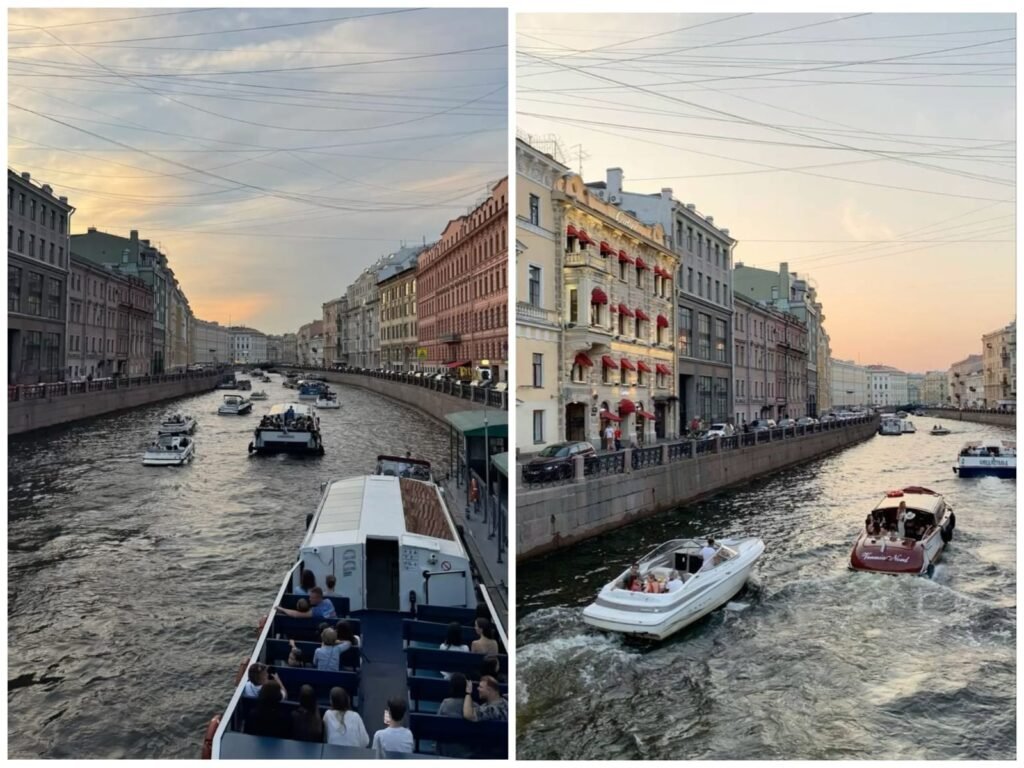
Canal cruises are another way of getting to know the city. The boats run on the waterways: Fontanka, Moika, and Griboyedov canals. The water also offers a different perspective on the historic landmarks, such as façades, bridges, churches and beautiful embankments.
These cruises are particularly enjoyable during the summer months, when there is ample sunlight and long nights.
Neva River Cruise
The Neva River Cruise offers a broader view of the city’s historic skyline and waterfront. Along the way, travelers can visit the Peter and Paul Fortress, the Palace Embankment, the historic bridges, and other river sights.
The city’s historic buildings are often lit for evening cruises, creating a special atmosphere.
Watching the Drawbridges Open at Night
One of the most well-known things to do in St. Petersburg at night is to watch the drawbridges of the city open.
Several bridges open across the Neva for ships to pass through. The White Nights season is a time to admire the bridges, which are raised to the sky during this season.
Exploring Local Markets
Local markets offer a more down-to-earth picture of the city. Visitors can see Russian food, baked goods, crafts, souvenirs, and regional specialties.
Markets are also great for travelers who seek to visit St. Petersburg beyond its major tourist attractions.
Visiting Museums and Art Galleries
In addition to the Hermitage, St. Petersburg boasts many museums and galleries dedicated to Russian art, history, literature, decorative arts, and local culture.

The State Russian Museum is especially significant for those interested in Russian art.
Enjoying Ballet and Opera Performances
St. Petersburg has a rich heritage in ballet and opera. Throughout the year, the Mariinsky Theatre and other historic venues host classical performances. Attending a ballet or opera is one of the most memorable cultural experiences for many travelers.
For more travel inspiration, destination ideas, and updates from our journeys, you can also follow Transforming Travels on Instagram.
Nightlife Experience in St. Petersburg
St. Petersburg also has a vibrant nightlife scene. Locals and visitors enjoy the bars, clubs, cafés, restaurants, and live-music venues.
In the summertime, this is especially exciting. The sky is unusually bright, and during White Nights, people stay out late.
The White Nights (Belye Nochi) in St. Petersburg
The White Nights (Belye Nochi) are one of the most well-known natural phenomena in St. Petersburg. They occur from late May to mid-July, especially around the summer solstice in June.
Because of the northern latitude, the sun never sets low enough to be completely dark. Consequently, there is never total darkness, and there is a soft twilight that lasts throughout much of the night.
The Natural Phenomenon
- Timing: The phenomenon generally runs from late May to mid-July.
- Peak Period: The brightest period occurs around June 21–22.
- Brightness: The sun sets very late and rises early, leaving the city surrounded by a soft glow.
- Bridge Openings: Drawbridges across the Neva open at night for passing ships.
Festivals and Events
- Stars of the White Nights Festival: A major cultural celebration featuring classical music, opera, and ballet.
- Scarlet Sails (Alye Parusa): A famous celebration for school graduates featuring a tall ship with red sails, music, and fireworks along the Neva.
- Street Life: Cafés, promenades, river cruises, and public spaces remain lively late into the night.
The White Nights thus offer more than long days. They provide a special ambiance that extends well into the night, with opportunities for sightseeing, nightlife, cruising, and cultural activities.
5. How to Reach St. Petersburg
St. Petersburg is linked to other cities in Russia and to foreign countries by air, rail, road and water.
St. Petersburg Airport (Pulkovo Airport)
The city’s main aviation hub is Pulkovo Airport (LED). It operates domestic flights within Russia and overseas.
The airport is located south of St. Petersburg’s city center. You can easily reach the historic center by taxi, private transfer, or public transport.
How Far Is St. Petersburg From Airport?
Pulkovo Airport is about 23 km from the central district.
It takes approximately 35 to 50 minutes to reach the city center by road, depending on traffic. There are several options for getting to the airport from the city: airport buses, transfers to the metro or a taxi, or pre-booked transfers.
Flights to St. Petersburg Russia
People planning to travel to St. Petersburg, Russia should consider comparing their options for flights, including the cities they leave from, how long they will have to wait to catch a plane, whether there will be any restrictions on how much they can take onto the plane, and the time they make their plane.
Routes may change, and some flexibility with travel dates can help when shopping for fares.
Delhi to St. Petersburg Flight Guide
For those returning from Delhi, a connection might be possible through other major international airports.
The specific route, airline, and travel time will vary according to current schedules. So, calculate total journey time, not just the shortest flight.
| Option | Approximate Travel Time |
| Flight from Moscow | Around 1.5 hours |
| High-Speed Train | Around 3.5–4 hours |
| Car or Bus | Around 8–10 hours |
6. Moscow to St. Petersburg Cruises and Scenic River Journeys
A river cruise between Moscow and St. Petersburg is an alternative that takes less time than flying or traveling by train; it is known as a Flusskreuzfahrt Moskau St. Petersburg, or Moscow-St. Petersburg river cruise.
These trips link the two big Russian cities via rivers, lakes and canals. You can also enjoy smaller historic cities and villages, as well as the rural countryside.
Flusskreuzfahrt St. Petersburg
A river cruise to or from St. Petersburg lets you visit the city while enjoying a gorgeous river trip through Russia.
Routes can be on the Volga River, Lake Ladoga, Lake Onega, and the Volga-Baltic Waterway.
Why River Cruises Are Popular
- They combine both transportation and accommodation, making the journey more convenient.
- They also include guided excursions at several destinations, allowing travelers to explore each stop.
- They further provide changing countryside views throughout the journey.
- They moreover offer access to historic towns and rural communities along the river.
- They ultimately offer a slower, more relaxed alternative to conventional transportation.
Major Stops Along the Route
- Uglich: Known for its historic Kremlin and riverside churches, Uglich offers an interesting glimpse into Russia’s religious and cultural heritage.
- Yaroslavl: This historic Golden Ring city features impressive religious architecture, historic buildings, and important cultural landmarks.
- Kizhi Island: Famous for its traditional wooden architecture, Kizhi Island is home to a remarkable open-air museum showcasing Russia’s wooden heritage.
- Mandrogi: This recreated village offers visitors a look at traditional Russian crafts, local culture, and rural life.
7. Weather in St. Petersburg Throughout the Year
St. Petersburg has a cool climate with wide seasonal variations. Summers are mild, and winters can be long, snowy, and very cold.
Spring Weather
Spring starts slowly as the snow melts. As temperatures warm, canals and waterways begin to flow again, and parks start to look lush.
Daylight hours increase, and the weather is more pleasant in April and May for sightseeing.
Summer Weather: Does St. Petersburg Get Hot?
Summer is the hottest season, with relatively little rainfall and very long daylight periods, making it the most popular time to visit the city. The warmest months are usually July and August, with some very hot days, but these are rare.
June is particularly favored for its White Nights, when the city never sets, and it is also the most humid month of the year. The White Nights, during which the city never turns off its lights, are a popular feature in June, and it is also the wettest month of the year. It’s also a wonderful time to explore the river and take a stroll around town thanks to the warm summer sun.
Autumn Weather
In autumn, days are shorter, and the weather is cooler. September is still a pleasant time for sightseeing; October is definitely colder.
Fall hues make the palaces and parks’ gardens in the city look especially pretty.
Winter Weather: How Cold Does St. Petersburg Get?
Spring and autumn in St. Petersburg are cold and snowy, and daylight is short. Generally, the coldest period is in January and February, with temperatures around -10°C or even colder for some spells.
In winter, bring warm layers, waterproof shoes, and gloves to stay comfortable in snow and icy conditions.
8. Beaches, Waterfronts, and Outdoor Escapes in St. Petersburg
St. Petersburg is not most famous for its beaches, but for its museums, palaces, canals, and architecture. But the city’s location next to the Gulf of Finland offers many possibilities for summer waterside activities.
Beaches Along the Gulf of Finland: Does St. Petersburg Have Nice Beaches?
Indeed, the city has several beaches for recreation along the Gulf of Finland. They are better suited for relaxation, walking, picnics, and enjoying the tropical scene than for a traditional beach holiday.
The Kurortny District is home to popular coastal areas such as Sestroretsk Beach and Komarovo Beach. Sestroretsk is suitable for its coastal location, sandy beach, and convenience, while Komarovo is suitable for its quietness and pine forests.
If you are looking for the nicest beach in St. Petersburg, you’ll need to choose the one that suits you best. Sestroretsk beach is perfect for easy access; Komarovo beach is perfect for quiet beaches.
Best Parks and Green Spaces
The Summer Garden is one of the city’s oldest green spaces. The paths, statues, fountains, and formal design make it a nice place for a stroll.
Another outdoor alternative is Krestovsky Island. It includes parks, bike paths, recreation facilities, and waterfront views. Families can enjoy parks and waterfronts, boat rides, strolls, recreational areas, and seasonal activities.
Quick Answer:
While beaches aren’t St. Petersburg’s main draw, the city does have sandy recreational beaches along the shores of the Gulf of Finland.
9. Shopping and Souvenirs in St. Petersburg
Shopping in St. Petersburg ranges from traditional Russian crafts to luxury products, food, art, and locally inspired souvenirs.
Where to Buy Souvenirs in St. Petersburg
Visitors can find souvenirs around major tourist areas and shopping streets. Central locations make it convenient to combine shopping with sightseeing. Nevsky Prospekt is one of the most convenient shopping areas. Historic stores, department stores, cafés, restaurants, and specialty shops line the avenue.
Traditional Russian Souvenirs to Purchase
Travelers can look for products that reflect Russian culture, craftsmanship, and local traditions.
Popular Souvenir Ideas
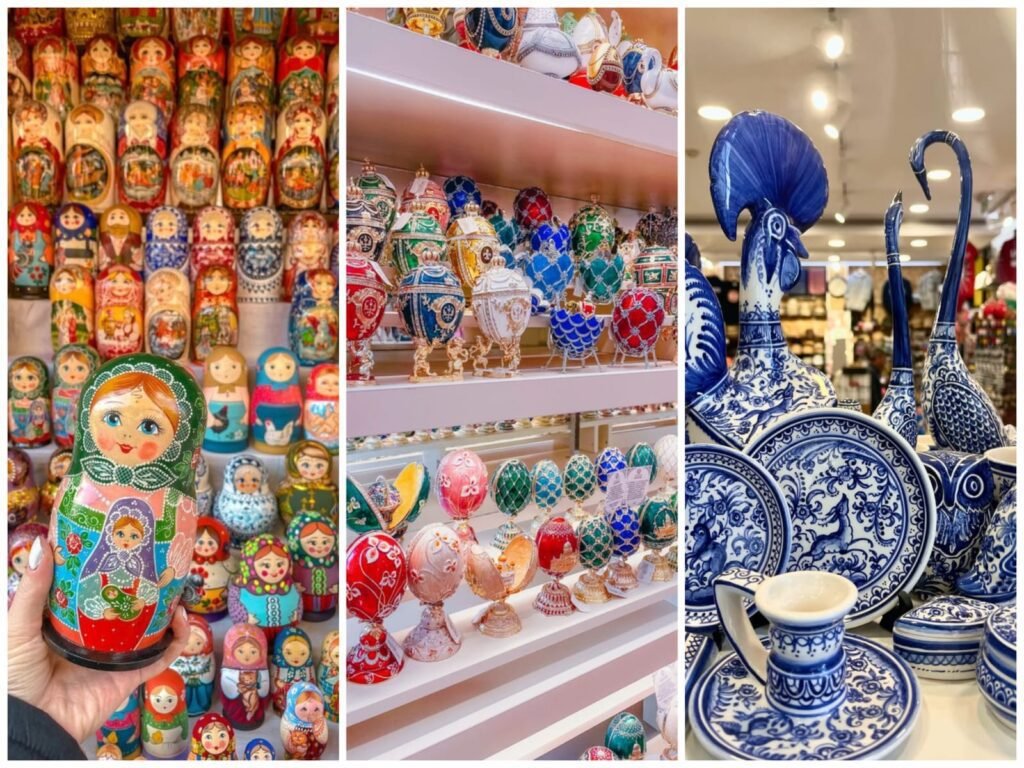
- Matryoshka Nesting Dolls: Traditional painted wooden dolls that, therefore, make charming and memorable souvenirs.
- Imperial Porcelain: Decorative cups, plates, and tableware that, in addition, showcase Russia’s elegant porcelain traditions.
- Baltic Amber Jewelry: Necklaces, earrings, and other amber pieces that, moreover, offer a distinctive souvenir from the Baltic region.
- Lacquer Boxes: Hand-painted decorative boxes that, meanwhile, add a traditional artistic touch to your collection.
- Russian Chocolates: Popular packaged gifts that, also, make an easy and delicious souvenir to take home.
- Soviet-Themed Memorabilia: Collectibles inspired by Soviet history that, additionally, appeal to travellers interested in the country’s past.
- Fabergé Eggs: Fabergé-inspired decorative eggs and miniature souvenirs that finally offer an elegant keepsake inspired by Russian imperial art.
10. Essential Travel Tips for Visiting St. Petersburg
With some planning, a trip to St. Petersburg can be much easier, especially during the summer months.
Does Uber Work in St. Petersburg?
Instead of relying on Uber, travelers can use Yandex Taxi, which is a widely used ride-hailing option in St. Petersburg.
Local taxi services can also help you reach attractions outside the city’s central walking areas. However, travelers should check the latest availability and payment options before their trip.
Public Transportation Guide
The Saint Petersburg Metro is also convenient way to get around the city.
Buses, trams, and other public transport options are also available. The metro is especially handy for traveling from one neighborhood to another farther away.
Safety Tips for Tourists
First, install Google Translate on your phone, as it can help you communicate when language becomes a barrier. Additionally, download Google Maps before exploring the city so you can navigate more easily and find important places. Finally, keep your valuables secure in crowded areas and stay alert on public transport, and allow extra time for security checks at popular attractions.
Money and Payment Information
As of 2026, most foreign-issued Visa and Mastercard cards don’t work in Russia because of ongoing sanctions. So carry enough Russian rubles in cash to cover essential expenses, since relying on your regular international cards could leave you without a payment option.
Local Etiquette and Cultural Tips
Generally, you can wear modern Western outfits when exploring St. Petersburg’s tourist areas, as the city has a modern and liberal atmosphere. However, dress more modestly when visiting Orthodox churches and cathedrals, covering your shoulders and knees as a sign of respect.
If you prefer a more personalized journey, Transforming Travels also creates custom-made tour plans based on your interests, travel style, and preferred experiences.
Suggested 3-Day St. Petersburg Itinerary
- Day 1: To start with, explore Palace Square and visit the State Hermitage Museum. Then, admire Admiralty and walk through the historic center.
- Day 2: Afterward, spend the day exploring Peterhof Palace before enjoying an evening Neva River cruise.
- Day 3: Finally, visit the Church of the Savior on Spilled Blood, stroll along Nevsky Prospekt, explore museums, and enjoy a ballet performance.
11. Frequently Asked Questions About St. Petersburg
Q1. What Is the Most Visited Place in St. Petersburg?
Among the city’s major attractions, the State Hermitage Museum, housed inside the Winter Palace, is also one of the most famous and visited places in St. Petersburg.
Q2. What Is the Coldest Month in St. Petersburg Russia?
During the winter season, January and February are generally the coldest months, with temperatures often falling well below freezing.
Q3. How Far Is St. Petersburg Historic Centre From Its Airport?
Pulkovo Airport is approximately 23 kilometers south of St. Petersburg’s historic centre. However, depending on traffic and transportation, the journey usually takes around 35–50 minutes.
Q4. Does St. Petersburg Get Hot?
Although summers can be warm, St. Petersburg rarely experiences prolonged extreme heat. July and August are generally the warmest months, with comfortable conditions for sightseeing.
Q5. Are There Mountains in St. Petersburg Russia?
Unlike many Russian destinations, St. Petersburg has no mountains. Instead, the city lies on relatively flat lowlands around the Neva River delta and the Gulf of Finland.
Q6. Does St. Petersburg Have Nice Beaches?
Additionally, St. Petersburg has several recreational beaches along the Gulf of Finland. Moreover, these beaches are ideal for walking, relaxing, picnicking, and taking in the coastal scenery.
Q7. What Do People Do in St. Petersburg?
Travelers can explore palaces and museums, stroll along Nevsky Prospekt, enjoy canal and Neva River cruises, attend ballet performances, browse local markets, and experience the city’s nightlife.
Q8. Where Should First-Time Visitors Stay?
For first-time travelers, staying near the historic center is generally convenient. Moreover, areas around Nevsky Prospekt provide easy access to major attractions, restaurants, shops, and public transportation.
Q9. Is St. Petersburg Known as the Venice of the North?
Furthermore, St. Petersburg is widely known as the “Venice of the North” because of its extensive waterways. Additionally, its canals, bridges, rivers, and waterfront architecture give the city its distinctive character.
Q10. What Is the Meaning of Petrograd?
In fact, Petrograd means “Peter’s City.” The name was used officially for St. Petersburg from 1914 until 1924.
Q11. Does Uber Work in St. Petersburg?
Instead of relying on Uber, travelers can use Yandex Taxi, which is a widely used ride-hailing option in St. Petersburg. Local taxi services can also help you reach attractions outside the city’s central walking areas. However, travelers should check the latest availability and payment options before their trip.
Q12. How Many Universities Are in St. Petersburg?
St. Petersburg is an important educational center with several major universities, including Saint Petersburg State University, ITMO University, and Peter the Great St. Petersburg Polytechnic University.
Conclusion
St. Petersburg is an amazing city that combines the charm of the past with art, architecture, waterways and the vibrancy of modern life. It is known as the “Venice of the North” because of the canals and rivers that create the city’s unique character.
The city has countless landmarks: the grand halls of the State Hermitage Museum and Winter Palace, the golden spire of the Admiralty, and St. Petersburg Cathedral. The celebrated ensembles of Peterhof, Catherine Palace, the Amber Room, Pavlovsk, and the Fabergé Museum reveal another facet of Russia’s imperial legacy beyond the historic center.
Moreover, the experience goes beyond sightseeing. Visitors can enjoy Neva River cruises, watch drawbridges open at night, explore museums and markets, attend ballet performances, experience the nightlife, and enjoy the magical White Nights. For travellers looking to explore another spectacular side of Russia, Russia Under the Northern Lights offers an unforgettable experience beneath the Arctic skies.
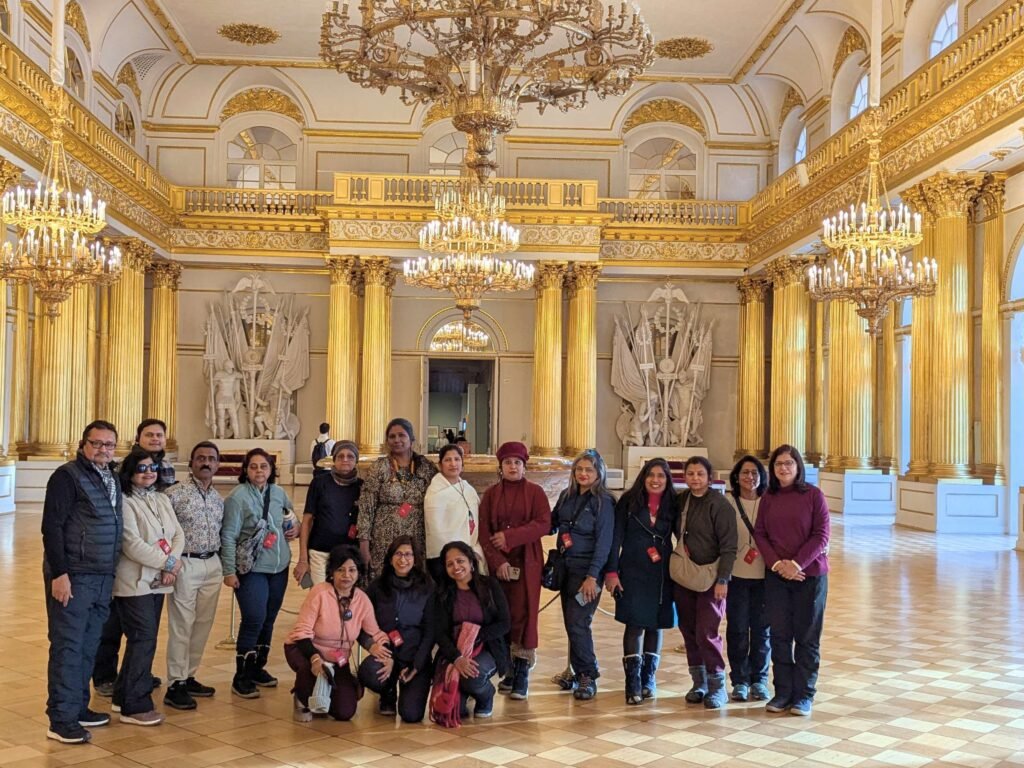
St. Petersburg also has a particularly complex identity, shaped by its history from its foundation under Peter the Great to the Petrograd and Leningrad eras. You can come to St. Petersburg for history, architecture, culture, nightlife, or scenic waterways—whatever you prefer, this city has something to offer you.
If you are also planning to experience the Northern Lights in Russia or elsewhere, check out Northern Lights: Complete Guide to Aurora Borealis, Best Places to See It & Travel Tips (2026) for detailed information on the best viewing destinations, timing, and travel tips.
Plan your journey, discover Russia, and make every moment count.

